
Where you keep your money may feel like a personal financial decision. But collectively, those decisions can shape which businesses get access to capital, which communities retain financial services and how much money continues circulating within Arizona.
What happens when a credit union has been rooted in the same community since 1937 — and still considers itself just getting started?
In the latest episode of the Arizona’s Credit Unions Podcast, Local First Arizona's Thomas Barr sits down with Tucson Federal Credit Union President and CEO Matthew Gaspari and Vice President of Business Services Shaima Namazifard to talk about what local banking looks like in practice — from expanding access to business capital to keeping financial decisions rooted in the communities they affect.
For Spinato's, employee ownership - or ESOPs - offered a way to accomplish several goals at once: preserve the company's legacy, keep the business locally rooted, reward longtime employees and create another reason for talented people to build careers with the company.
Shifting economic priorities means changing the policies, market conditions and systems that determine who has access to opportunity, resources and economic power. For Local First Arizona, that means helping locally owned businesses build collective leverage, removing structural barriers and creating more ways for Arizona communities to benefit from the wealth generated here.
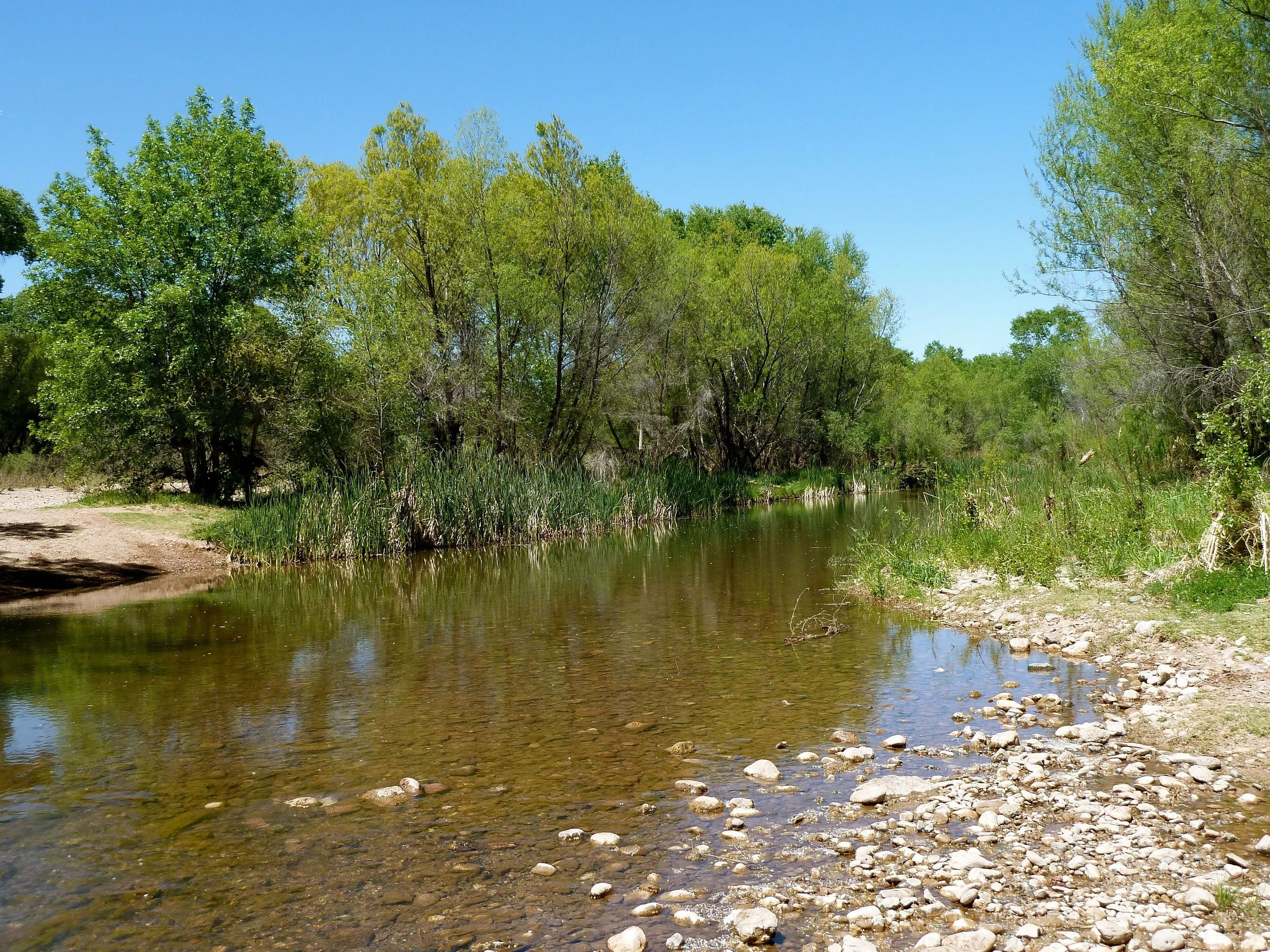
Since Local First Arizona brought Green Business Boot Camp to the Verde Valley in 2023, participants have developed projects to conserve water throughout their operations. Through a partnership with Friends of the Verde River, more than $150,000 in River Friendly Living grants have helped Boot Camp graduates put water-saving projects into action — with an estimated 17 million gallons in annual water savings.
Credit unions are an important part of a strong local economy because they are built differently. As member-owned nonprofit financial institutions, they exist to serve their members rather than outside shareholders. Earnings can be returned to members through lower loan rates, fewer fees and higher savings yields, while decisions about lending and investment remain closely connected to the communities they serve.
Looking for things to do in Arizona this summer? Discover how innovative local businesses in Phoenix, Tucson and communities across the state are transforming the hottest months of the year into one-of-a-kind experiences, from chef collaborations and after-hours museum events to indoor markets, food festivals and cool summer adventures.
How we choose to spend our money helps shape the places we live. It influences which businesses grow, which jobs exist and which services remain available close to home. In that sense, Prime Day is about more than what we buy. It's also a reminder of how much power consumers actually have.
People often think being local means shopping local, eating local or attending local events.
Those things matter.
But being local is bigger than that.
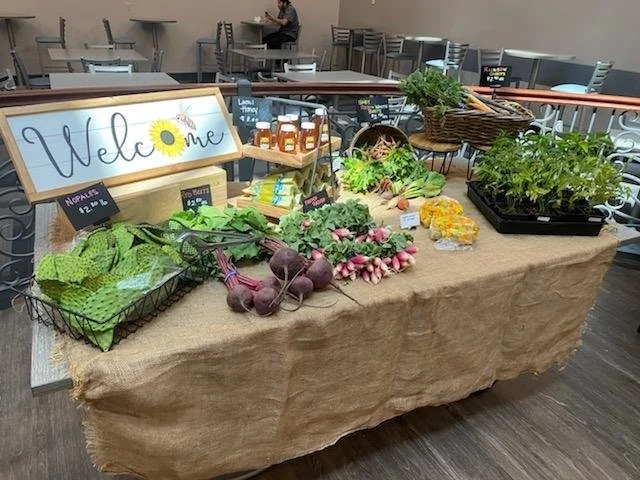
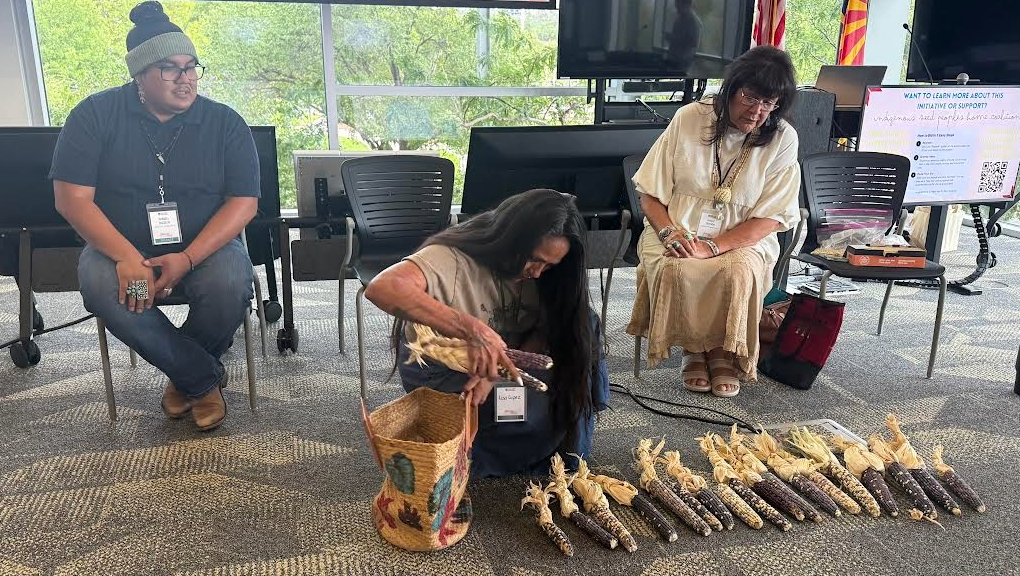
It's creating opportunities for entrepreneurs. It's investing in locally owned businesses. It's strengthening food systems, supporting workforce development and helping communities access the resources they need to thrive.
At its heart, being local means building an economy where opportunity stays closer to home and more people have the chance to participate in it.
That's the story behind Local First Arizona's 2025 Annual Report.
Inclusive local businesses do more than serve customers — they help shape communities where people feel welcomed, valued and connected. Across Arizona, LGBTQ+-friendly businesses and organizations are building spaces rooted in belonging, advocacy and local resilience.
Growing Power: Inside the First Ag Business Boot Camp Cohorts
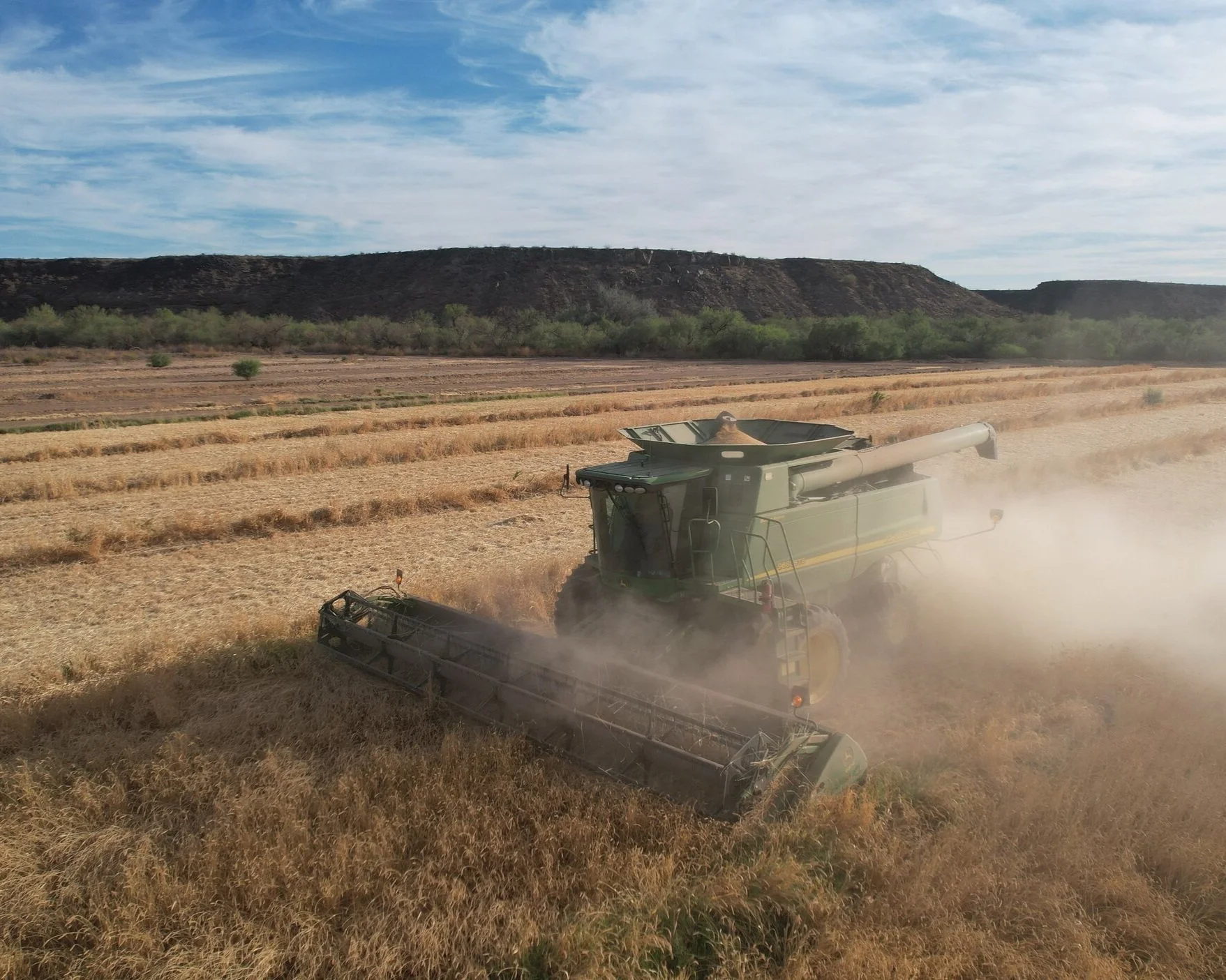
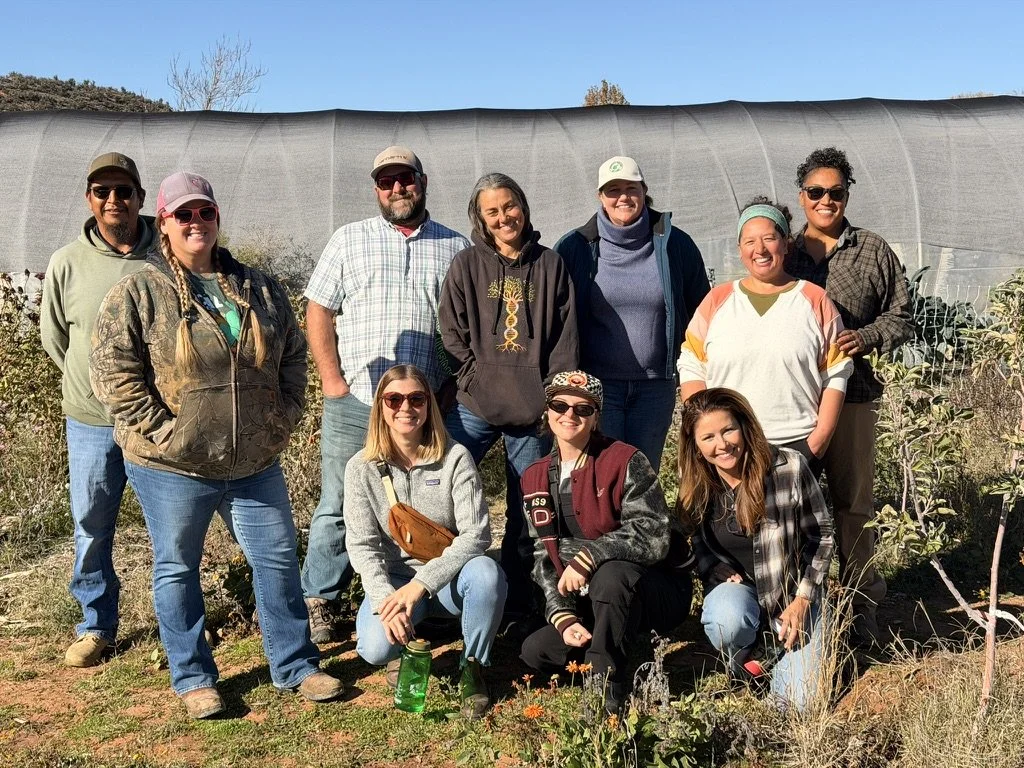
A new boot camp offered by Local First Arizona aims to build on that resilience — by equipping smaller producers with business tools that haven’t traditionally been tailored to agriculture.
The Ag Business Boot Camp, a hybrid, eight-week program for small to mid-sized farmers across the state, educates participants on business fundamentals through an agricultural lens.