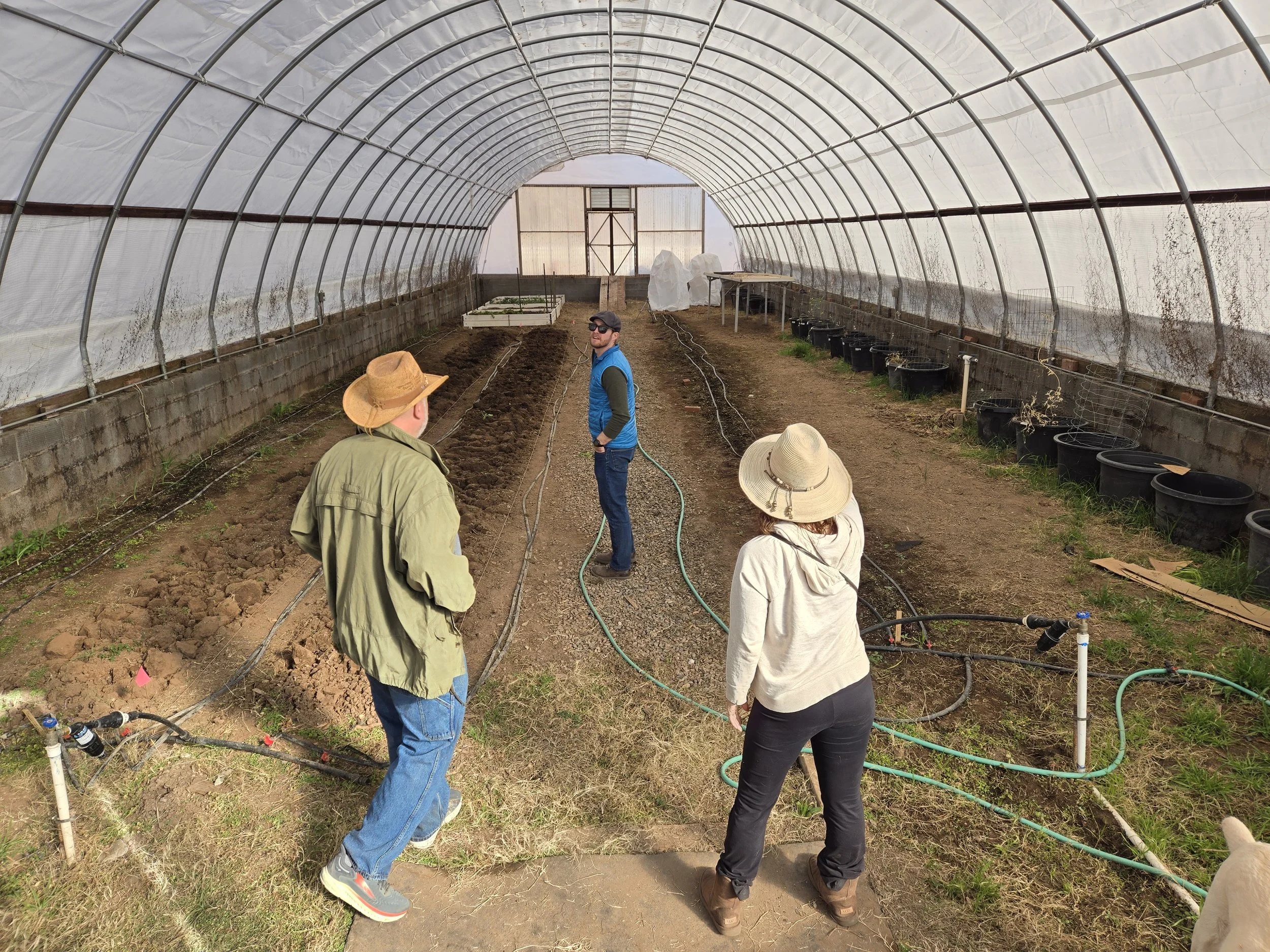
Installing irrigation infrastructure upgrades at a produce farm
Seventeen million gallons of water a year is a staggering amount to save. It would be a steep challenge for any one business to tackle on its own. But across the Verde Valley, locally owned businesses, farms, ranches and community organizations are showing what happens when many individual conservation efforts add up.
Since Local First Arizona brought Green Business Boot Camp to the Verde Valley in 2023, participants have developed projects to conserve water throughout their operations. Through a partnership with Friends of the Verde River, more than $150,000 in River Friendly Living grants have helped Boot Camp graduates put water-saving projects into action — with an estimated 17 million gallons in annual water savings.
The projects look different from business to business, but together they're demonstrating something powerful: protecting one of Arizona's most important waterways doesn't depend on one sweeping solution. It can happen one property, one operation and one practical change at a time.
THE VERDE RIVER: AN ECONOMIC ENGINE FOR ARIZONA
In addition to providing much of Arizona’s surface, drinking and municipal use water, the Verde River drives Arizona's economy in several ways:
Recreation and Tourism
Creates an annual economic impact of $3 billion in water related outdoor recreation in Yavapai and Coconino counties.
Creates an annual economic impact of betweem $720 million to $1 billion in water-based recreation in Yavapai County alone, and supports thousands of local jobs.
Promotes popular activities like kayaking, birding (such as the annual Verde Valley Birding and Nature Festival), camping, and hiking.
Agriculture and Local Industries
Sustains local agriculture irrigated by diverted stream flow, valued at roughly $24 million.
Fosters innovative farming practices, such as growing malt barley to reduce summer water consumption while supplying the craft brewing market.
Supports the regional wine industry in the Verde Valley, valued at approximately $6 million
Why conserving water in the Verde Valley matters
The Verde River isn't just a beautiful feature of northern Arizona. It's part of the ecological, cultural and economic foundation of the region.
Fed by groundwater from the Chino and Verde basins and more than 100 major springs, the Verde and its tributaries support hundreds of miles of interconnected riparian habitat and an extraordinary diversity of wildlife, including hundreds of bird species and Arizona's largest population of breeding bald eagle pairs.
The river also supports communities and economies far beyond its banks. Water-based outdoor recreation in Yavapai County generates significant economic activity and supports thousands of jobs, while the Verde provides a substantial share of the surface water delivered by Salt River Project to metro Phoenix.
And for the Yavapai-Apache Nation, the river and its corridor hold deep cultural and spiritual significance.
Protecting its future isn't one organization's — or one industry's — job. It takes a region. Increasingly, Verde Valley businesses are showing what their part can look like.
Small changes become big numbers
For participating businesses in the Verde Valley, the Green Business Boot Camp empowers them to examine their operations for opportunities to conserve water, energy and other resources.
The program doesn't hand every participant the same sustainability checklist. Businesses learn how water and other resources move through their particular operations, identify where changes make sense and develop a project with measurable goals.
For one operation, that might mean rainwater harvesting. For another, more efficient irrigation, landscaping or equipment. On farms and ranches, technology can even reduce the resources required to manage livestock across large properties.
The businesses and organizations that have developed water-conservation projects represent the diversity of the Verde Valley itself — including farms and ranches, restaurants, lodging, schools, nonprofits, wineries, property managers and other locally rooted operations.
No single project has to save millions of gallons.
The power is in what happens when businesses across a community start making changes together.
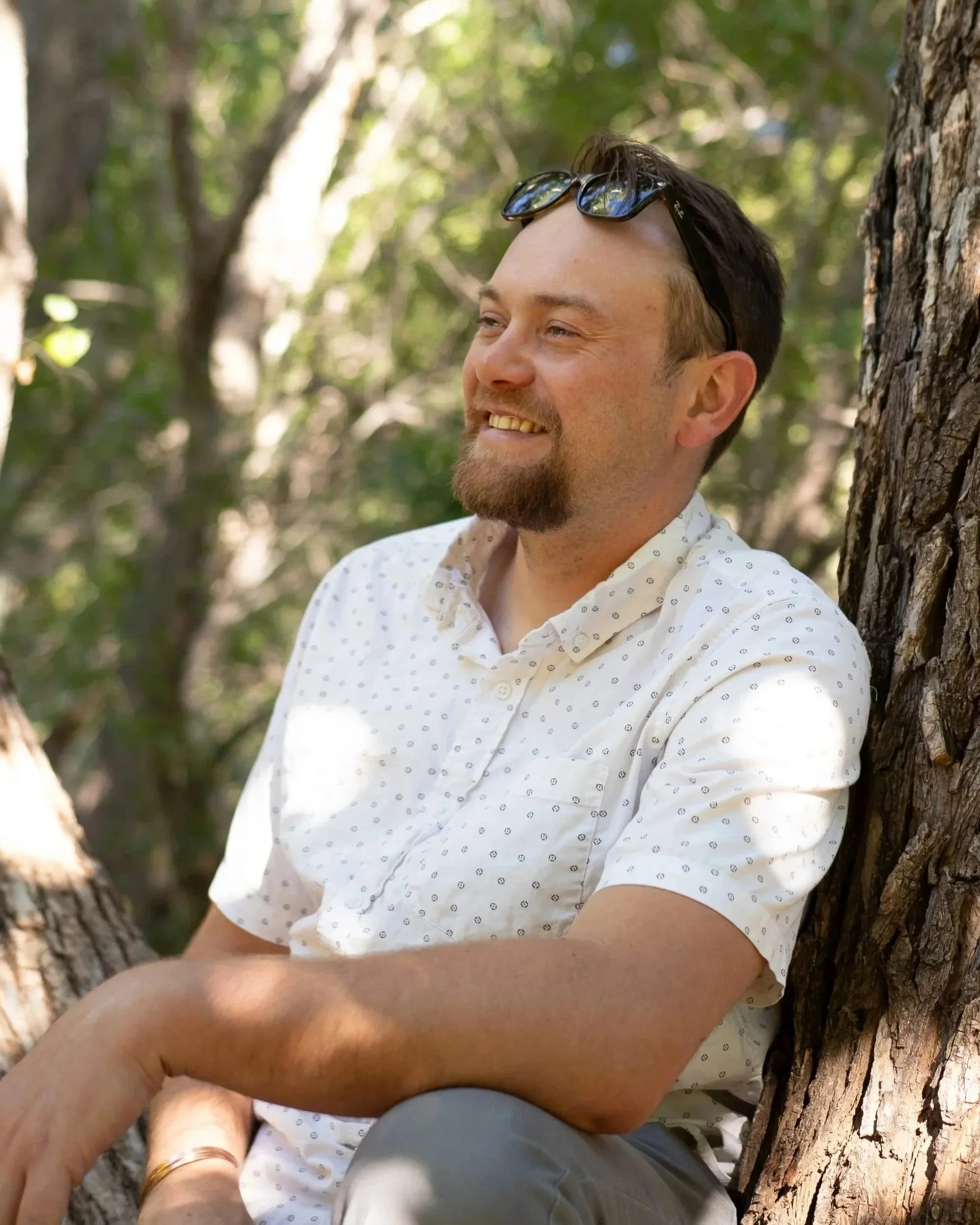
Isaac Dudley, Flows Program Manager, Friends of the Verde River
Turning plans into projects — with a lot of help from our “friends”
Green Business Boot Camp helps participants identify opportunities and develop projects. Getting those projects off the ground can require another critical resource: funding.
Friends of the Verde River has been a partner in the Verde Valley Green Business Boot Camp since the program launched locally, hosting cohorts at its Cottonwood headquarters and providing water conservation expertise through Flows Program Manager Isaac Dudley.
Through that partnership, Friends of the Verde River's annual River Friendly Living grants became available to Boot Camp participants to help move water-conservation projects from plans to implementation.
To date, more than $150,000 in River Friendly Living grants have been awarded to Green Business Boot Camp graduates, among them. Among them are Diamond L Ranch, Pierre's Prime Beef, Verde Valley School, Rainbow Acres, L Rail Farms, Root Into Alchemy, Verde Brewing Company and others.
The partnership is part of a much larger regional conservation effort. Since 2021, River Friendly Living grants have funded 116 projects throughout the watershed, collectively saving an estimated 500 million gallons of water each year.
Conservation that works for the business, too
For locally owned businesses, sustainability has to work in the real world.
An environmental project that makes an operation dramatically more expensive, complicated or difficult to run isn't particularly sustainable for the business itself.
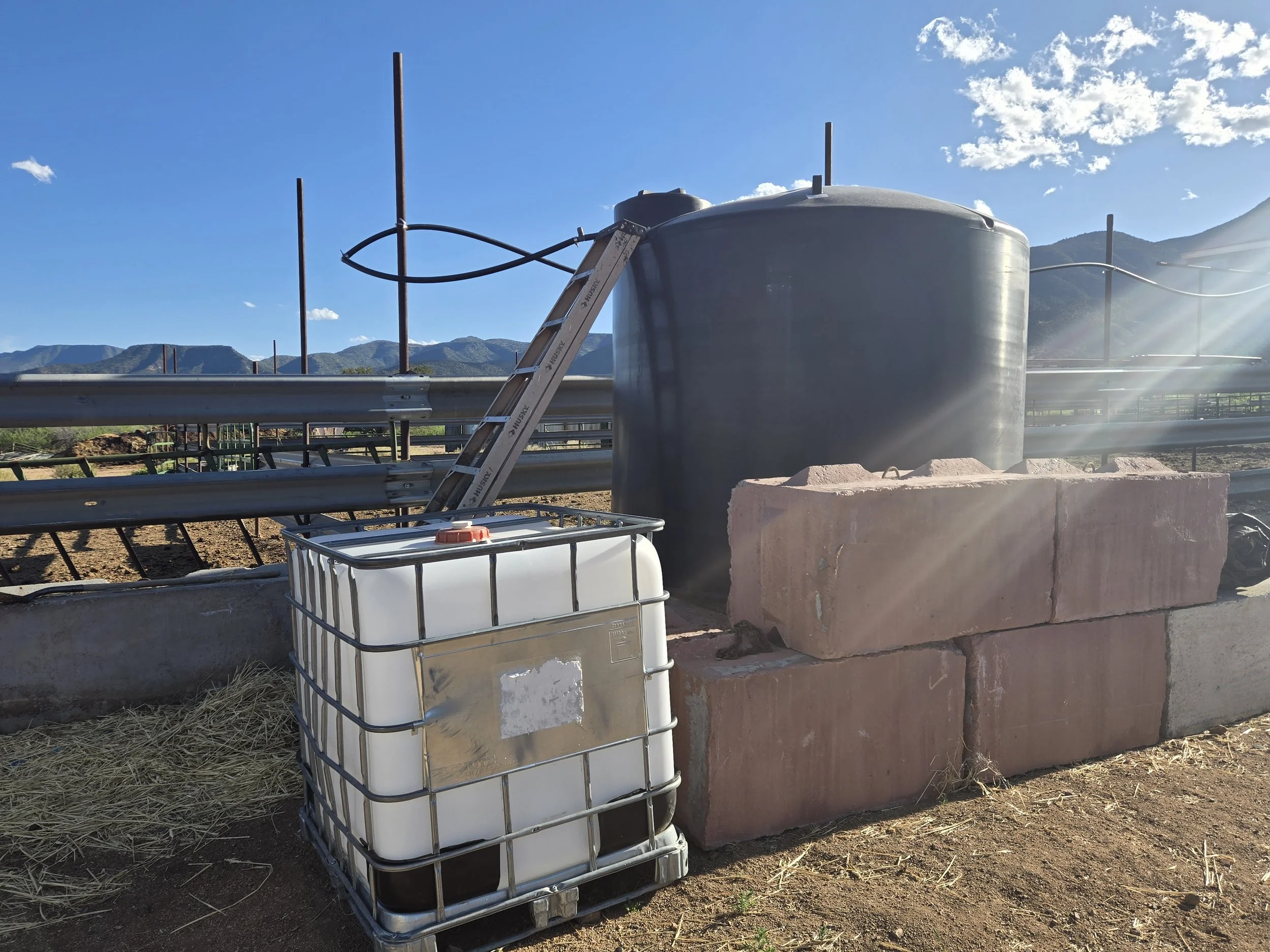
Rainwater catchment system used to supplement livestock water
That's why Green Business Boot Camp approaches conservation through business resilience. Participants learn about water, energy, waste and transportation, benchmark their current resource use, and develop sustainability projects designed around their own operations. Local First then continues working with participants as they move from planning toward implementation.
The result can be lower resource use and operating costs alongside benefits that extend well beyond the business.
To a rancher, for example, water conservation doesn't necessarily mean doing less. Sometimes it means working smarter.
“The drone is a tool that allows me to save on fuel and labor when it comes to checking the livestock waters,” said Wyatt Smith of Barbed J Beef.
At Root Into Alchemy, Nicole saw rainwater harvesting as a way to address several challenges at once.
“The inspiration for installing a rainwater catchment system was to harvest rainwater in a way that prevents runoff and erosion, which protects the land while using less groundwater and hopefully contributing to the Verde River remaining full and active,” she said. “It’s a way to preserve and heal the land.”
GREEN BUSINESS IN ACTION
Planning is one thing. Implementation is where the savings happen. These Green Business Boot Camp graduates have completed or begun significant water-conservation projects:
Pines Inn & Suites • J & J Antiques • Diamond L Ranch • Pierre's Prime Beef • Rainbow Acres • L Rail Farms • Eco Farm • Town of Camp Verde • Verde Brewing Company • The Hive Eatery
Their projects are already demonstrating how individual operational changes can add up to meaningful water savings across the Verde Valley.
That's the sweet spot: a solution that makes sense for the operation while contributing to something much larger.
A business strategy becomes a watershed strategy
The 17-million-gallon figure demonstrates why working with locally owned businesses can be such an important piece of community sustainability.
A restaurant sees its plumbing and equipment. A rancher sees livestock water. A school sees its grounds. A property manager sees landscaping and buildings.
But put those individual decisions together across a region and something else emerges: a community-scale conservation strategy.
Local First's role is to help businesses get from I'd like to operate more sustainably to here's a project we can actually implement.
Through Green Business Boot Camp, businesses learn from sustainability experts, benchmark resource use and develop actionable plans. Partnerships throughout the Verde Valley add technical expertise and other resources that help businesses identify and pursue conservation opportunities.
That same approach extends beyond businesses. Through Local First Arizona's Arizona Economic Resource Center, municipalities and Tribal communities can access information and technical assistance that can help advance local infrastructure and resilience projects.
It's not one massive intervention designed to save the Verde River.
It's many people throughout the region having the knowledge, resources and opportunity to act where they have influence.
And those actions add up.

Danielle Alexis Matthews of Cottonwood's Hive Eatery and Juice Bar gives a “thumbs up” during an EcoBlue water audit.
Building a more resilient Verde Valley
The work isn't finished at 17 million gallons.
More Verde Valley businesses continue to participate in Green Business Boot Camp, creating another pipeline of projects that can reduce water, energy, waste and transportation impacts while strengthening their own operations.
It's a model for environmental action that starts with a simple premise: businesses don't have to choose between their bottom line and the place they call home.
In fact, strengthening one can help protect the other.
For the Verde Valley businesses putting that idea into practice, every gallon conserved is part of something bigger — healthier businesses, stronger communities and a more resilient future for the river that connects them all.
Ready to make your business more resilient?
Learn more about Local First Arizona's Green Business Boot Camp and other sustainability programs, or talk with our Sustainability Initiatives team about bringing green business programming to your community.