








TPM: Addressing the Rural Workforce Crisis
According to federal statistics, Arizona’s job growth rates are flourishing - ranking our state as having the fourth fastest-growing economy in the country. The Arizona Office of Economic Opportunity has supported these findings with projections of continued prosperity through 2020. Yet, in taking a closer look at the numbers, we realize the data gathered by the Bureau of Labor Statistics and the US Census Bureau is dangerously skewed by the growth of metro Maricopa County; overlooking the dire reality of rural Arizona.

A Letter to My Son's Teacher
If you asked me one month ago for my perception of teachers in the Arizona public school system, I would have scoffed, rolled my eyes, and launched into my usual rhetoric about my son being set up to fail, that teachers are just tired and unmotivated place-holders in a classroom full of deteriorating minds, and that my son would be better off finding a passion and focusing on that because there was no way he was going to learn anything anyway.



Strengthening Rural Resiliency with the 13th Annual Rural Policy Forum
Earlier this month, nearly 300 rural stakeholders, leaders, and advocates convened for the 13th Annual Rural Policy Forum, hosted by the Arizona Rural Development Council (AZRDC). Representatives from all 15 counties traversed the state for the two-day conference in the White Mountains, eager to seek new solutions for building stronger, more resilient rural economies across Arizona.



Metro Rail and Its Impact on the Valley
Since its approval, there has been significant controversy surrounding the T2050 Regional Transportation plan. Now, the entire future of light rail may depend on the August 27th special election. In advance of early ballots hitting mailboxes, For(u)m’s here to review the history and impact of Valley Metro Light Rail.
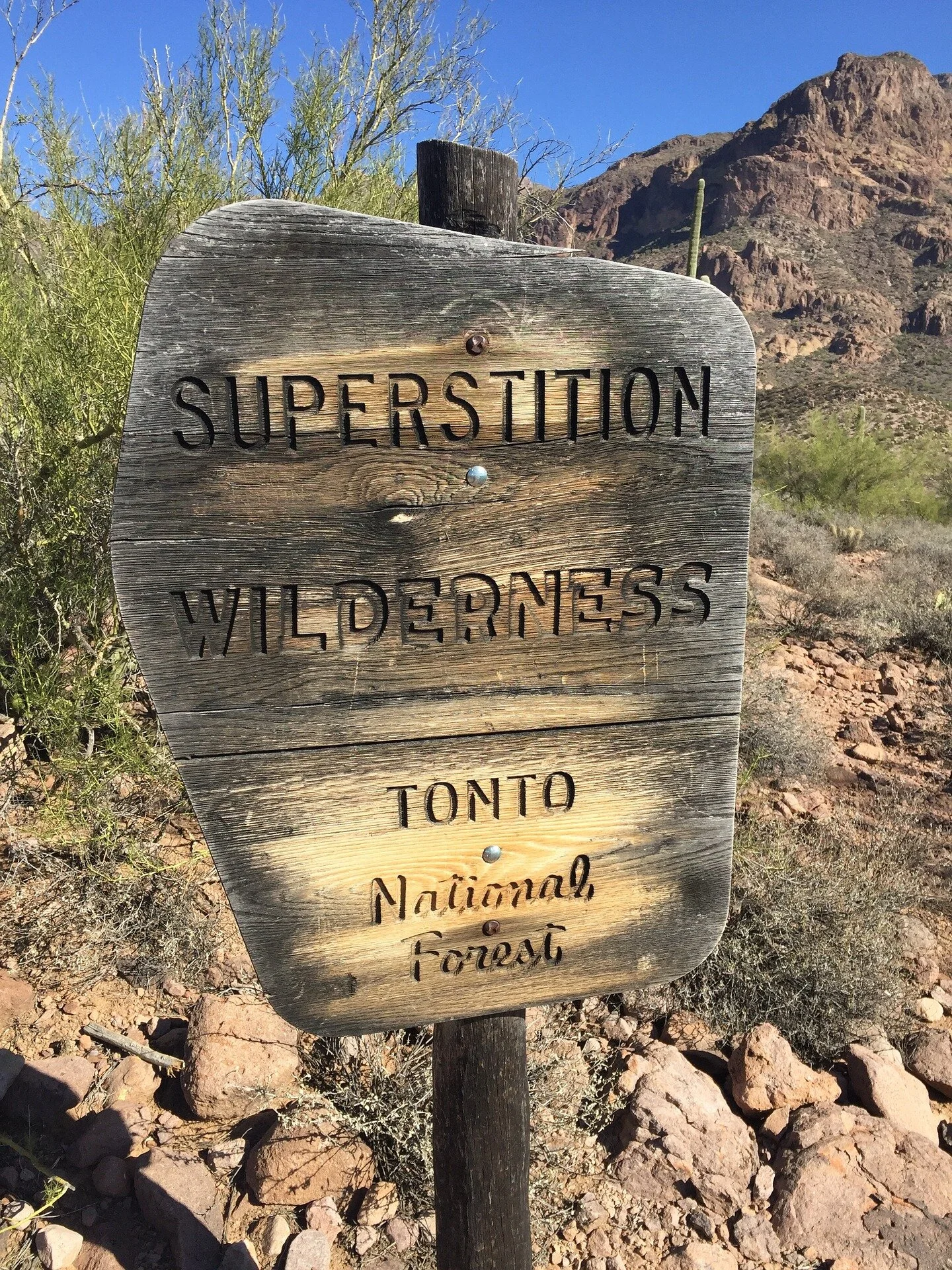



For(u)m Members Fill In Phoenix
With 517 square miles of land in Phoenix alone, growing out into Arizona’s suburban edges is easy, cheap for developers, and hardly discouraged by local governments, let alone residents. This pattern of outward, low-density development is referred to as “dumb growth” by many due to its inherent waste.