Where you bank determines where your money goes and whether it comes back to support your business, your customers and your community. It isn’t just a banking decision — it’s a strategic one that can shape your access to capital and your long-term growth.
When it’s time to access capital, expand or navigate a challenge, the difference between a transactional bank and a relationship-based one becomes clear.
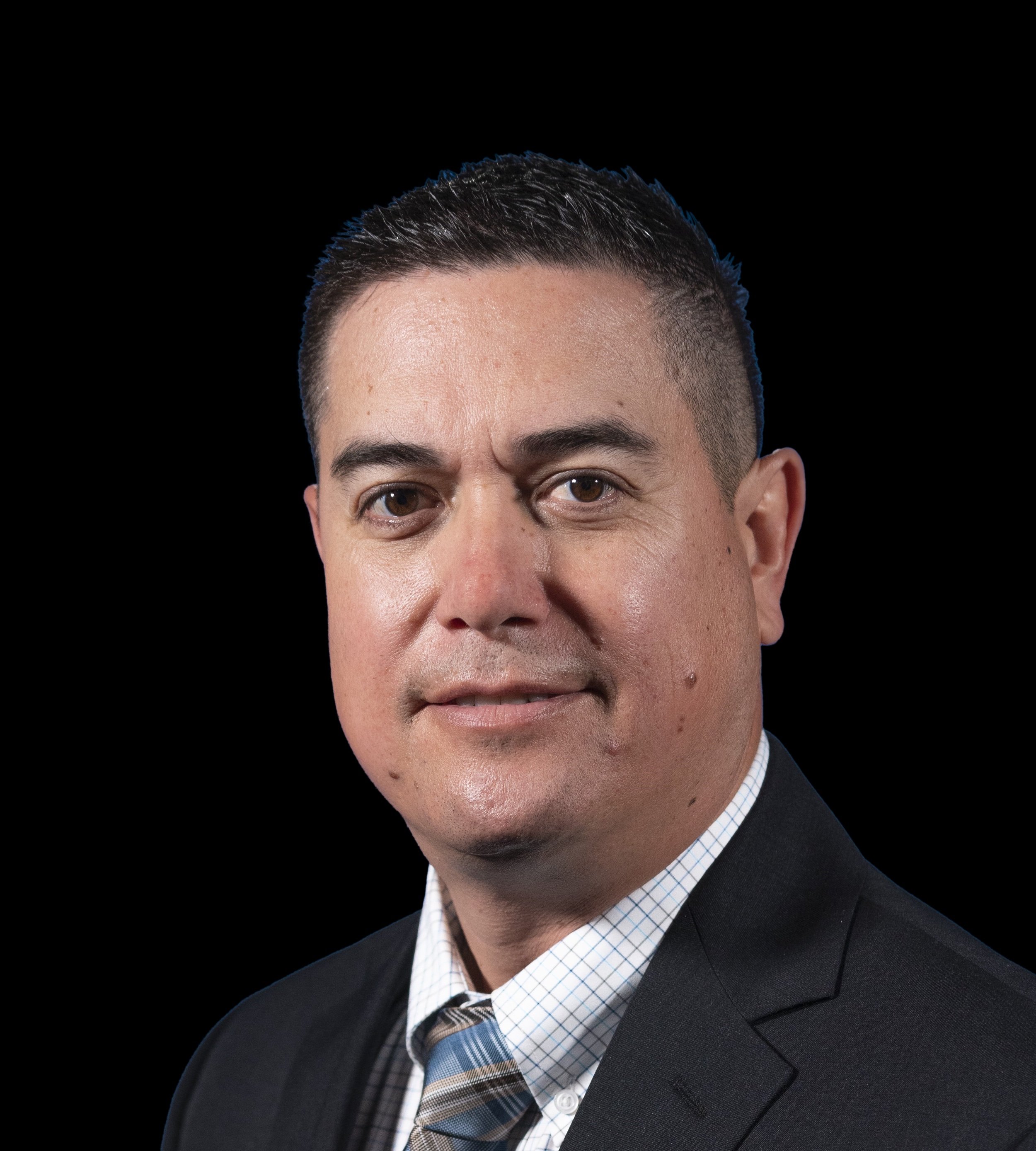
Local First Arizona Business Lending Strategist, Armando Carrillo
Armando Carrillo has seen banking from both sides of the coin. Over the course of more than 20 years in the finance industry, he’s worked for corporate banks with a national footprint as well as community-focused banks and credit unions.
He’s come away from those experiences with one clear takeaway:
Not all banks operate the same way — from scale and impact to how deposits are used.
Where Your Money Actually Goes
Global banks, with names every consumer recognizes, prioritize shareholders and corporate earnings. Deposits are invested to generate revenue and create shareholder returns.
Corporate banks dominate the financial landscape, capturing the majority of business and consumer accounts.
Carrillo saw the difference firsthand when he began working with a credit union serving communities across Arizona.
In rural areas especially, he said, national financial institutions often don’t offer products or lending structures that align with local needs. But at the credit union, access to capital worked differently — and faster.
“You could walk in and fund a vehicle loan, a personal line of credit or a secured loan to build credit the same day,” he said.
As he moved into the credit union’s commercial banking division, that pattern continued.
Small businesses across Arizona — particularly those on Main Streets in rural communities — were being approved for loans under $250,000, from equipment financing to lines of credit and commercial real estate. And for businesses ready to scale, larger loans were also on the table.
What made that possible wasn’t just the institution — it was the relationship between deposits and lending.
What this means: When local businesses, governments and institutions bank locally, they expand access to capital for the entire community.
Instead of prioritizing shareholders, credit unions act as member-owned cooperatives that leverage surplus income to offer members lower rates on loans, higher interest on savings and fewer fees overall.
“When a regional government, local business owner or ordinary citizen banks locally, they are investing back into their community by supporting loans for homes, businesses and community development projects. This cycle keeps money circulating locally, helping to create jobs, strengthen neighborhoods and support steady economic growth.”
“When you go to a credit union, there’s millions of dollars a month of home loans, auto loans, personal lines of credit and all types of business loans, but they’re fighting for deposit dollars,” Carrillo said. “It’s one of the few institutions consistently lending within the community.”
Despite these differences, large institutions still capture most deposit banking relationships. Carrillo said sticking points boil down to perception and access. Global institutions often offer more branches.
And local banks are often viewed as a riskier choice. But, Carrillo said, that perception is skewed. Credit unions have the same insurable amount for deposits as large banks.
Why It Matters When You Need Capital
When perception drives choices, small businesses often run into challenges accessing capital. Data supports this, as global banks approve just 1 in 8 small business loan applications while community banks approve 1 in 5.
Carrillo, who now serves as Local First Arizona’s business lending strategist, has seen the same scenario play out time and time again when businesses are in need of capital.
They open an account with a corporate bank. Several years pass and when the time comes to scale or request a loan, that bank is unwilling to lend to them. So, the business owner turns to a credit union or community bank with which it has no relationship and requests a loan there.
In most cases, a community bank will also be unwilling to approve a loan at the start of a relationship. On occasion, that relationship can begin with a loan request, with deposits and deeper engagement following over time. But without an existing connection, those opportunities are far less certain.
What this means: If you don’t build a relationship early, you may not have options when you need them most.
Banking at a community level pivots on relationship-building. “With a relationship, risk is mitigated and they’re willing to lend,” Carrillo said.

His most significant piece of advice for businesses looking for a financial institution is to connect with a community bank, if even for a savings account, from the start. Build a relationship with the business banker, who will then become an ally in planning for the future.
“They will give you the roadmap to access capital,” he said. “It takes time. It doesn’t just happen. But if you’re going to spend that time in business, why not spend that time getting ready for when that time comes?”
The Role of Community Banks + Credit Unions
The impact that access to capital has on the greater local economy can’t be overstated. It is one of the reasons Local First Arizona not only supports community banking, but encourages it in practice for business owners, local government entities and consumers alike.
When businesses have the capital they need to start or grow, the trickle down effect of that growth greatly affects the local labor force, the local tax base and the financial health of the local economy.
Large banks are designed to operate at scale, which can mean deposits are deployed outside the communities they come from. Community banks prioritize the financial health of their members, reinvesting gains in ways that allow local economies to prosper. Those who choose to bank locally play a vital role in making that prosperity possible.

A financing opportunity with Gateway Bank helped the owners of Brick Road Coffee turn their dream into a thriving business.
“Local financial institutions lend locally,” Carrillo said. “When a regional government, local business owner or ordinary citizen banks locally, they are investing back into their community by supporting loans for homes, businesses and community development projects. This cycle keeps money circulating locally, helping to create jobs, strengthen neighborhoods and support steady economic growth.”
How Local First Supports Capital Access
In his role with Local First Arizona, Carrillo helps small businesses access capital, overseeing Local First Arizona funds that offer character-based lending.
This is especially valuable for businesses that may not meet traditional lending criteria — including those early in their growth or operating with limited financial history.
“If you don’t have three years of tax returns, it doesn’t matter what bank you go to, access to capital becomes next to impossible,” Carrillo said.
Local First’s character-based loan funds are designed to address different types of entrepreneurs, their needs and historically underserved communities across the state. The loans, ranging from $5,000 - $25,000 and one loan fund up to $250,000, create a new pathway for business owners to access capital they need at rates that are favorable.
“A business is going to start today and the only way sometimes for them to obtain lending is through time,” Carrillo said. “Education is so critical to understand the process of access to capital or loan readiness. The sooner you can get someone in front of you who can speak to it, the sooner your business is going to be successful.”
What You Can Do Now
From Carrillo’s perspective, businesses that don’t start a relationship with a local bank are leaving money on the table. But making the switch doesn’t have to be complicated.
You don’t have to overhaul your entire banking setup to make a difference. Moving even one account starts redirecting your dollars into the local economy — and puts you on the radar of an institution that’s invested in your success.
“Just opening a savings account can show you the convenience and benefits of banking locally,” Carrillo said.
More importantly, that first step begins a relationship that can matter when you need it most — especially when it comes time to access capital.
“The whole reason to move your money is to support the financial institutions who are providing products and services to the community,” he said.
Ready to get started?
Learn how to #MoveYourMoney and Invest in Arizona!

Members of Arizona’s local banking community gathered to welcome business owners at a Local First AZ “Move Your Money” event in Tucson
Related Move Your Money Events in April
Show up ready to move your business forward. These Access to Capital events connect you directly with local lenders, give you a clear path to becoming loan-ready, and break down what it actually takes to secure funding. You’ll hear real stories from businesses that made it work — and walk away with stronger relationships, sharper strategy and a network that opens doors.
From Fool’s Gold to Real Gold: Local Banking is The Real Deal
Wednesday, April 1, 5:30 - 7:30 p.m.
La Suprema Works
Tucson, AZ
Access Capital to Grow Your Business
Monday, April 13, 4 - 6 p.m.
The Post
Mesa, AZ
Fuerza en Acción: Panel Financiero + Acceso a Capital
Monday, April 13, 6 - 8 p.m.
Avondale Visitor & Conference Center
Avondale, AZ
Reunión Empresarial de Fuerza Local: Cubanitas Kitchen
Wednesday, April 22, 6 - 8 p.m.
Cubanitas Kitchen
Glendale, AZ
Move Your Money Networking Event
Thursday, April 30
Sunnyside Neighborhood Association
Flagstaff, AZ
Related Resources:
Learn about Local First’s Small Business Micro-Loans
Check out the Loan Readiness Boot Camp
Learn more about the Local Movement and how you can get involved
Additional Resources:
Learn about Local First’s Small Business Micro-Loans
Check out the Loan Readiness Boot Camp
Learn more about the Local Movement and how you can get involved