Move Over Bob Lifestyle Brand Helps Women Take Up Space in the Trades
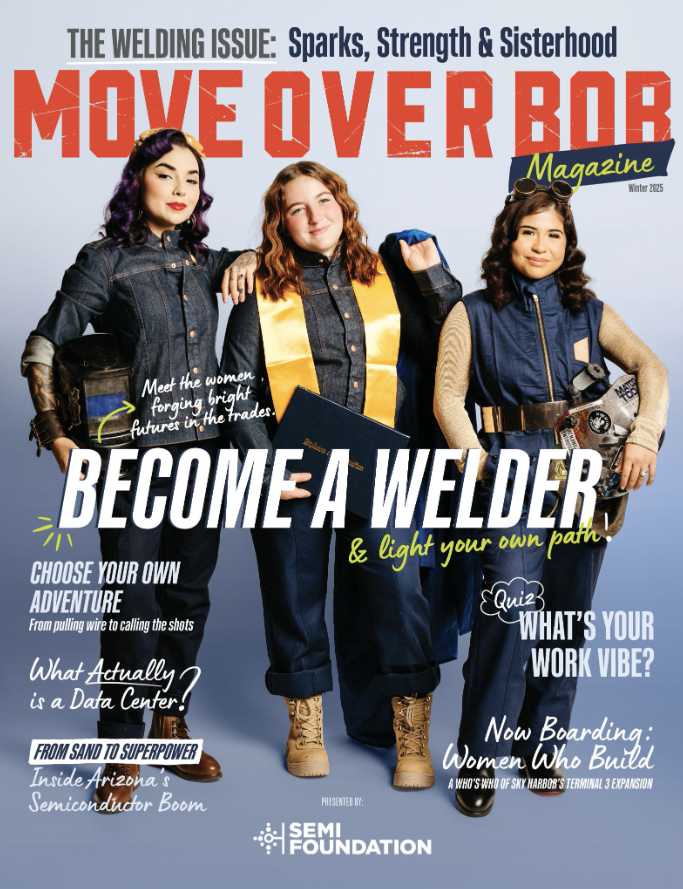
Flip open an issue of Move Over Bob magazine and, if you’re a woman of a certain age, you’ll feel the pull of nostalgia immediately. Scrapbook-style headlines made of cut-out letters. Hand-drawn stars and arrows. Polaroid-like photos tucked into the corners of the page.
It looks familiar — but the message is anything but.
Move Over Bob is an Arizona-based lifestyle brand and publication inspired by the teen magazines of the 1990s and early 2000s, reimagined with a very different purpose: empowering girls to pursue careers in the skilled trades. Where those earlier magazines focused on celebrity style and social cues, Move Over Bob highlights pathways to economic stability, independence and long-term opportunity.
“We’re kind of using that tactile, engaging nostalgia to give them a different message around power and purpose and independence — and to show them new role models,” said Kate Glantz, CEO of Move Over Bob.
That message arrives at a critical moment. Much of today’s skilled trades workforce is aging out, with experienced workers nearing retirement just as fewer young people are entering the field. For decades, career preparation has overwhelmingly emphasized four-year college pathways, leaving trades undervalued and under-represented. That lack of representation is especially acute among women, who make up just 11% of the construction workforce and an even smaller percentage of fields like electrical, plumbing and HVAC.
“It’s an old workforce,” Glantz said. “We did this to ourselves over the last 30 years. Now we can’t even meet today’s demand, let alone what’s coming. And it’s never going to be enough to replenish this pipeline with just boys. It’s maddening that we’re not appealing to half the population. Clearly we’re missing out.”
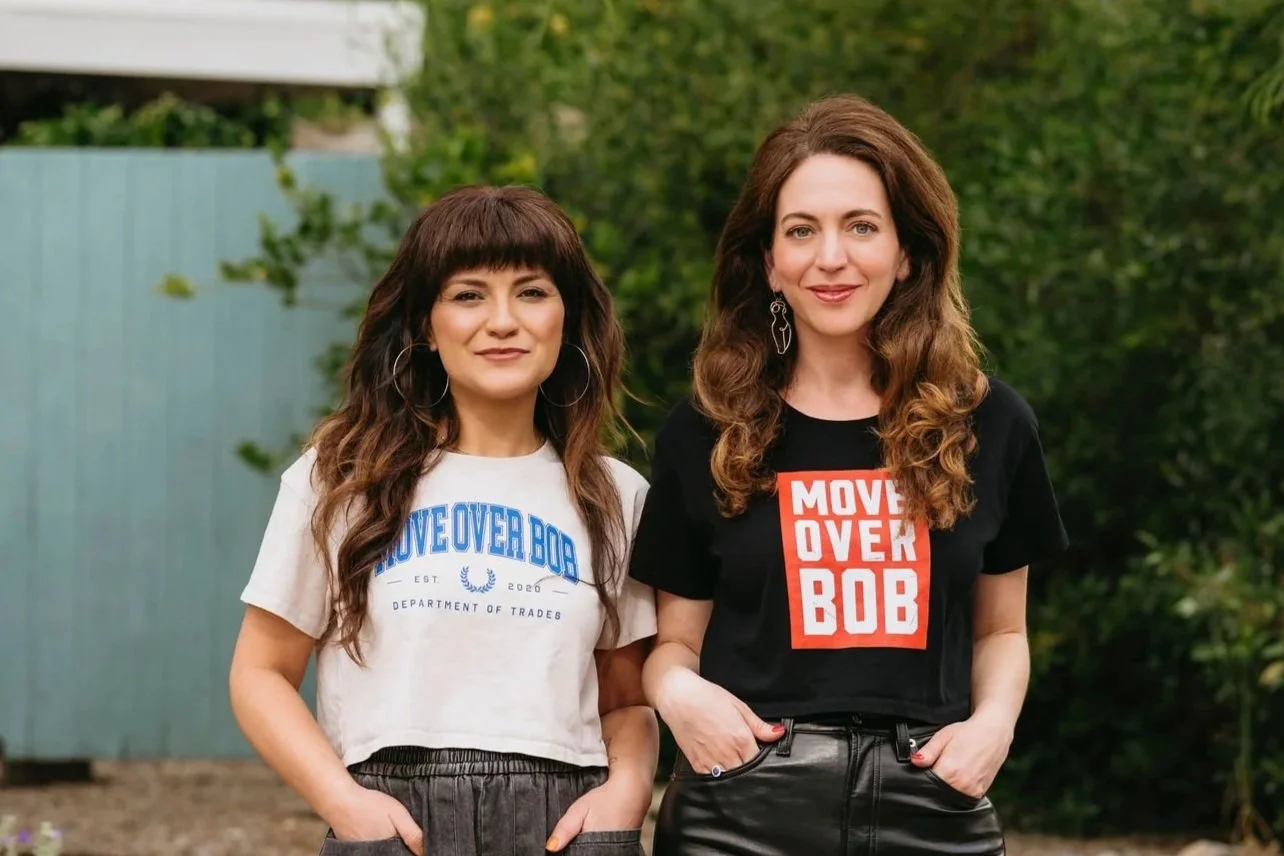
Move Over Bob co-founders, Angela Cacae and Kate Glantz
Glantz’s interest in the trades isn’t theoretical. After a long career spanning government, tech, economic development and storytelling, she enrolled in trade school to learn carpentry. It was there that she saw firsthand how few women were represented, and how much potential was being left untapped.
To change that, Glantz partnered with fellow carpenter Angela Cacae to launch Move Over Bob as both a media platform and a resource hub. The publication spotlights women thriving in traditionally male-dominated industries, while giving girls tangible examples of what’s possible.
“We’re so siloed culturally,” Glantz said. “The only visible career paths anymore feel like influencer or athlete, which are one-in-a-million. We’re trying to reintroduce accessible, inspiring role models back into the conversation.”
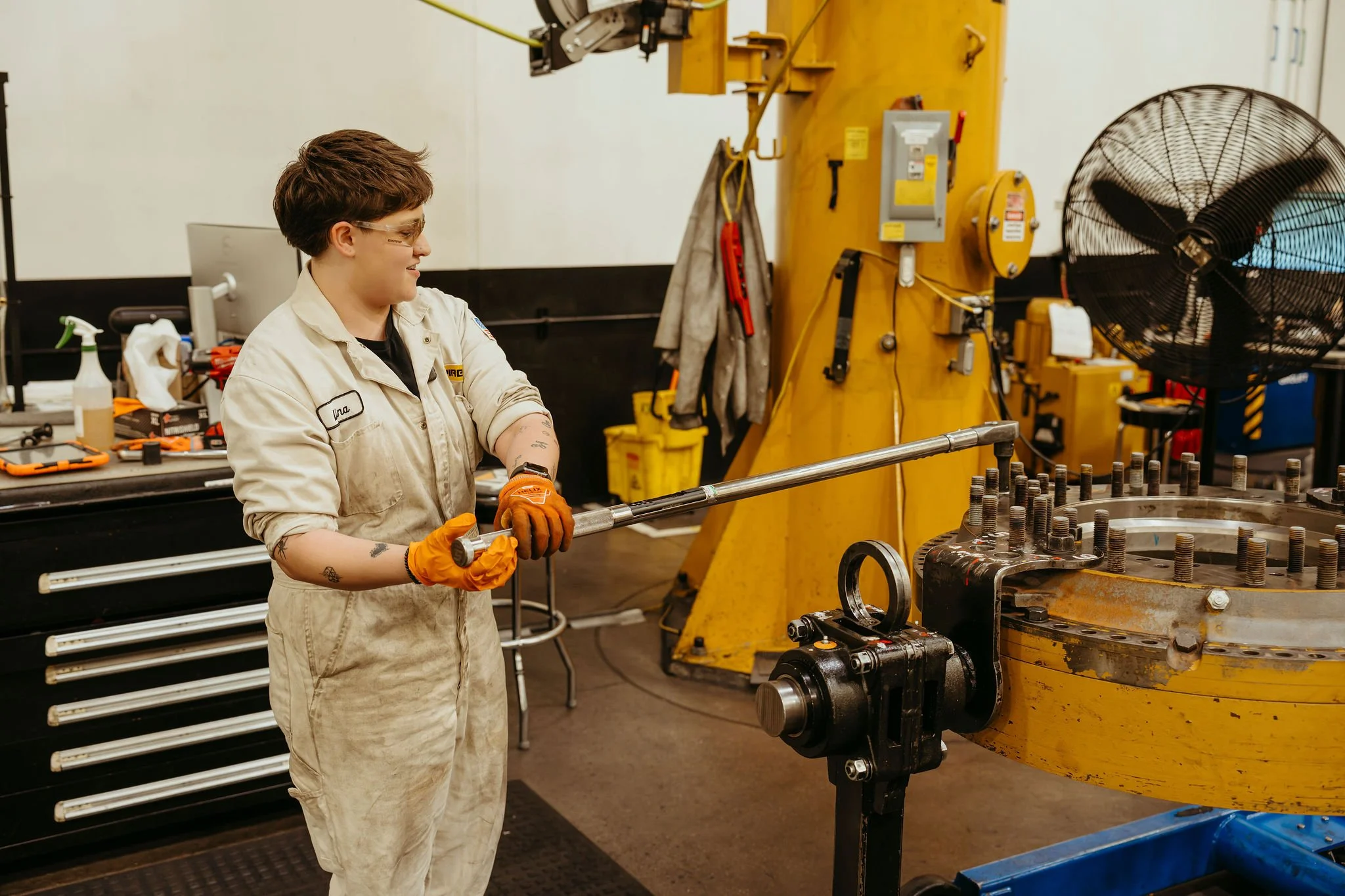
Some of the women profiled in Move Over Bob include a traveling electrician, a prefabrication manager and a vice president of people
With intention, Move Over Bob connects culture and narrative to workforce development, using representation to turn curiosity into action. It’s an approach that mirrors Local First Arizona’s broader workforce efforts, including initiatives like the rural-focused Northern Arizona Good Jobs Network, which connects people to stable, locally rooted careers while helping employers build resilient teams.
As a member of Local First Arizona’s Business Coalition, Move Over Bob exemplifies the kind of community-driven leadership needed to strengthen Arizona’s workforce from the ground up — not just by filling jobs, but by expanding who sees themselves in them.
That impact is especially meaningful in rural and tribal communities, where skilled trades can offer both mobility and stability.
“Have a trade and you can do it in your community or elsewhere,” Glantz said. “But it also gives you a sense of possibility. When girls see someone who looks like them welding and making $36 an hour, it clicks. This could be you. It’s not a huge leap.”
That visibility comes to life in the pages of the magazine. One issue features Letty Bejarano, a 29-year-old journeyman welder, master silversmith and fifth-year sheet metal apprentice known for her candy-apple red welding helmet and bold confidence.
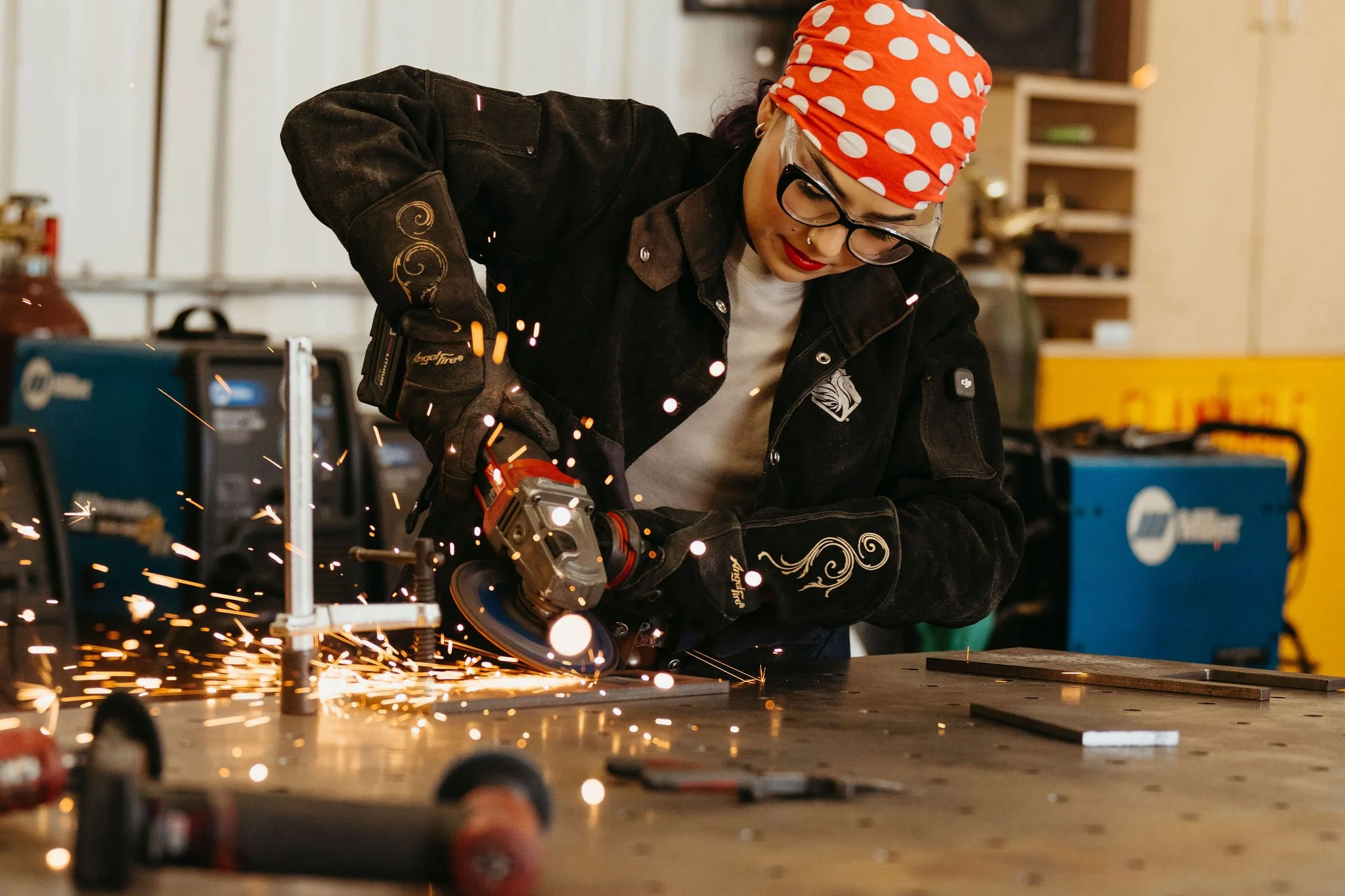
Letty Bejarano, a 29-year-old journeyman welder, master silversmith and fifth-year sheet metal apprentice has been featured in the magazine
Bejarano grew up surrounded by blue-collar work. A grandmother who operated forklifts. A grandfather who built motorcycles. Family friends who restored lowriders. College never felt like the right fit.
“Growing up around cars, seeing my family in their work clothes — that felt like home,” she told the magazine.
Other profiles include a traveling electrician, a prefabrication manager and a vice president of people. The women featured have charted different paths through the trades, from hands-on work to executive leadership.
For Glantz, showing that range is essential. Move Over Bob challenges outdated stereotypes about the trades — the idea that you need to be exceptionally strong, that the work is dirty or limiting — and replaces them with an expanded picture of the opportunity, skill and growth made possible through a trade-focused career.
In today’s job market, with college debt weighing heavily and automation reshaping white-collar work, many women feel their autonomy shrinking. Glantz wants them to know they don’t need to go into debt to build a future.
“They have a pathway to a six-figure career with a pension, healthcare and job security,” she said. “Trades are mobility in every way. You’re not stuck. You have choices.”
That mobility also allows people to stay rooted — bringing skills, income and leadership back to their hometowns. It’s a model that strengthens individuals and local economies alike.
From an economic development perspective, ushering more women into the trades is both practical and powerful. A more diverse workforce helps businesses meet demand, creates stability across industries, and keeps wealth circulating locally.
For Glantz, the horizon is wide open.
“I can’t believe that 95% of general contractors aren’t women,” she said. “We’re not better, but we see things differently. And if we can get more women into every part of the built environment, imagine what we can create.”
Related Information:
Learn more about Move Over Bob
Learn more about Local First’s rural workforce development programming, initiatives and events
Learn more about Local First’s Business Coalition