
Where we bank matters just as much as where we shop. Financial institutions influence which businesses can grow, who can buy a home and how much of Arizona's wealth stays invested in our communities. In this six-part podcast series, Local First Arizona sits down with leaders from Arizona credit unions to explore the power of local financial relationships — from expanding access to capital and strengthening local businesses to creating opportunities for families and communities across the state. Explore the conversations below to discover how banking decisions can help shape Arizona's economic future.
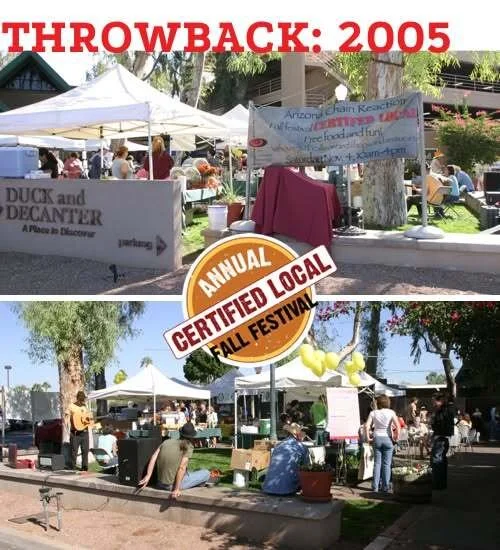
The Certified Local Fall Festival turns 20 on Nov. 7 at Hance Park. Hear from the owners who were there in 2006 and why showing up in person still matters.
Hear from Jennifer Kimmel, senior vice president and chief experience officer at TruWest, about TruWest Credit Union's approach to homeownership, financial education and collaboration in the Arizona Credit Union Podcast.
OneAZ Credit Union leaders Mike Bowden and Chip Griffith explain why locally rooted financial institutions matter for Arizona businesses and communities.
When we talk about choosing local, we usually think about where we shop, eat or hire a service. But some of our most consequential economic choices happen long before we make a purchase.
Where you keep your money may feel like a personal financial decision. But collectively, those decisions can shape which businesses get access to capital, which communities retain financial services and how much money continues circulating within Arizona.
What happens when a credit union has been rooted in the same community since 1937 — and still considers itself just getting started?
In the latest episode of the Arizona’s Credit Unions Podcast, Local First Arizona's Thomas Barr sits down with Tucson Federal Credit Union President and CEO Matthew Gaspari and Vice President of Business Services Shaima Namazifard to talk about what local banking looks like in practice — from expanding access to business capital to keeping financial decisions rooted in the communities they affect.
For Spinato's, employee ownership - or ESOPs - offered a way to accomplish several goals at once: preserve the company's legacy, keep the business locally rooted, reward longtime employees and create another reason for talented people to build careers with the company.
Shifting economic priorities means changing the policies, market conditions and systems that determine who has access to opportunity, resources and economic power. For Local First Arizona, that means helping locally owned businesses build collective leverage, removing structural barriers and creating more ways for Arizona communities to benefit from the wealth generated here.
Since Local First Arizona brought Green Business Boot Camp to the Verde Valley in 2023, participants have developed projects to conserve water throughout their operations. Through a partnership with Friends of the Verde River, more than $150,000 in River Friendly Living grants have helped Boot Camp graduates put water-saving projects into action — with an estimated 17 million gallons in annual water savings.
Keeping Sunnyslope beautiful
More than 20 volunteers joined Local First Arizona for a neighborhood cleanup in Sunnyslope.
Volunteer for the Green Team at Fall Fest and Reduce Waste!
We plan to celebrate the upcoming Fall Fest this November 5th by upping our sustainability game. With our love for our home state comes the responsibility to ensure it is protected for generations to come. Find out how you can help us put environmental sustainability at the forefront for this event!
Hospice of the Valley Volunteers Find New Ways to Serve
Not only have businesses needed to adapt and pivot during COVID-19 but so has the way we interact and take care of each other. This is especially true at Hospice of the Valley, an end of life care facility located in Maricopa County. COVID has changed the way that the volunteers at the Hospice of the Valley help the residents. While they cannot be there in person, many volunteers have found other ways to take care of their fellow man. Thank you to Lin Sue Cooney, director of community engagement at Hospice of the Valley, for sharing these stories of community and care.