People often think being local means shopping local, eating local or attending local events.
Those things matter.
But being local is bigger than that.
It's creating opportunities for entrepreneurs. It's investing in locally owned businesses. It's strengthening food systems, supporting workforce development and helping communities access the resources they need to thrive.
At its heart, being local means building an economy where opportunity stays closer to home and more people have the chance to participate in it.
That's the story behind Local First Arizona's 2025 Annual Report.
Inclusive local businesses do more than serve customers — they help shape communities where people feel welcomed, valued and connected. Across Arizona, LGBTQ+-friendly businesses and organizations are building spaces rooted in belonging, advocacy and local resilience.
During National Small Business Week (May 3–9), communities across the country recognize the 36 million small businesses that power the U.S. economy, and represent 99.9% of all firms and more than 45% of the workforce.
At Local First Arizona, that work isn’t confined to a single week. We work year-round to support, and shine a light on, the 650,000 small businesses operating in Arizona who make up 99.5% of total businesses in the state and employ 1.1 million people. Most of them are small businesses, illustrating yet again that entrepreneurs are the vital engines fueling the state’s economy. While Arizona is ranked nationally for its startup-friendly landscape, less attention is paid to the journey entrepreneurs experience in the months and years that follow the ubiquitous ribbon cutting ceremony.
At Local First Arizona, we have spent more than two decades making the case that strong, resilient communities are built from the inside out. The businesses, farms, nonprofits and neighborhoods that make Arizona worth living in don’t just happen, they require intentional investment, thoughtful policy and leadership willing to bring everyone to the table.
Governor Katie Hobbs’ Arizona Energy Promise Taskforce has done exactly that.
The resulting report is a significant milestone, one that Local First Arizona helped shape. Its 31 consensus-driven recommendations reflect input from 36 members, including private-sector leaders, consumer advocates, tribal representatives, nonprofits, utilities, and state agencies. Kimber Lanning, Founder & CEO served on the Governor's Arizona Energy Promise Taskforce, and Vice President of Resiliency Programs Ginger Sykes Torres contributed to one of its working committees. Such rare and broad agreement among typically divergent stakeholders is a point of serious consideration, and one we are proud to support.
Where your business banks isn’t just a financial decision — it shapes who gets access to capital in your community. Across Arizona, local businesses are often shut out of lending by the same institutions holding their deposits. Community banks and credit unions flip that model, reinvesting locally and building the relationships businesses need to grow. If you’re thinking about your next money move, building a relationship with a local banker now can open doors when it matters most.
For Earth Month, and every month, consider finding ways to support locally-owned businesses that have committed to sustainable practices. To help you find and support local businesses doing valuable climate resilience work, we’ve pulled together a few suggestions of people and places fighting the good fight for Arizona’s environment during Earth Month and all year long.
Move Over Bob is an Arizona-based lifestyle brand and publication inspired by the teen magazines of the 1990s and early 2000s, reimagined with a very different purpose: empowering girls to pursue careers in the skilled trades. Where earlier magazines focused on celebrity style and social cues, Move Over Bob highlights pathways to economic stability, independence and long-term opportunity.
One of the biggest barriers to accessing local food in Arizona is a lack of infrastructure — from processing to distribution — for small and mid-sized farming and food operations. That gap is both a symptom and a consequence of a highly consolidated food system, one that reduces local control and increases vulnerability.
After nearly two decades as an EEG technologist, Agnes Adams understood Arizona’s healthcare workforce gaps from the inside. Essential roles were understaffed, and for many women — particularly women of color — the pathway into healthcare careers was limited.
In 2021, Adams and her business partner, Miss Gigi, launched the Yond Institute of Learning, a West Valley–based training program focused on Certified Nursing Assistants (CNAs), a critical entry point into nursing and other healthcare professions. Designed around the realities of working families, Yond offers small cohorts, flexible class schedules and personalized support to help students move from opportunity to stability.
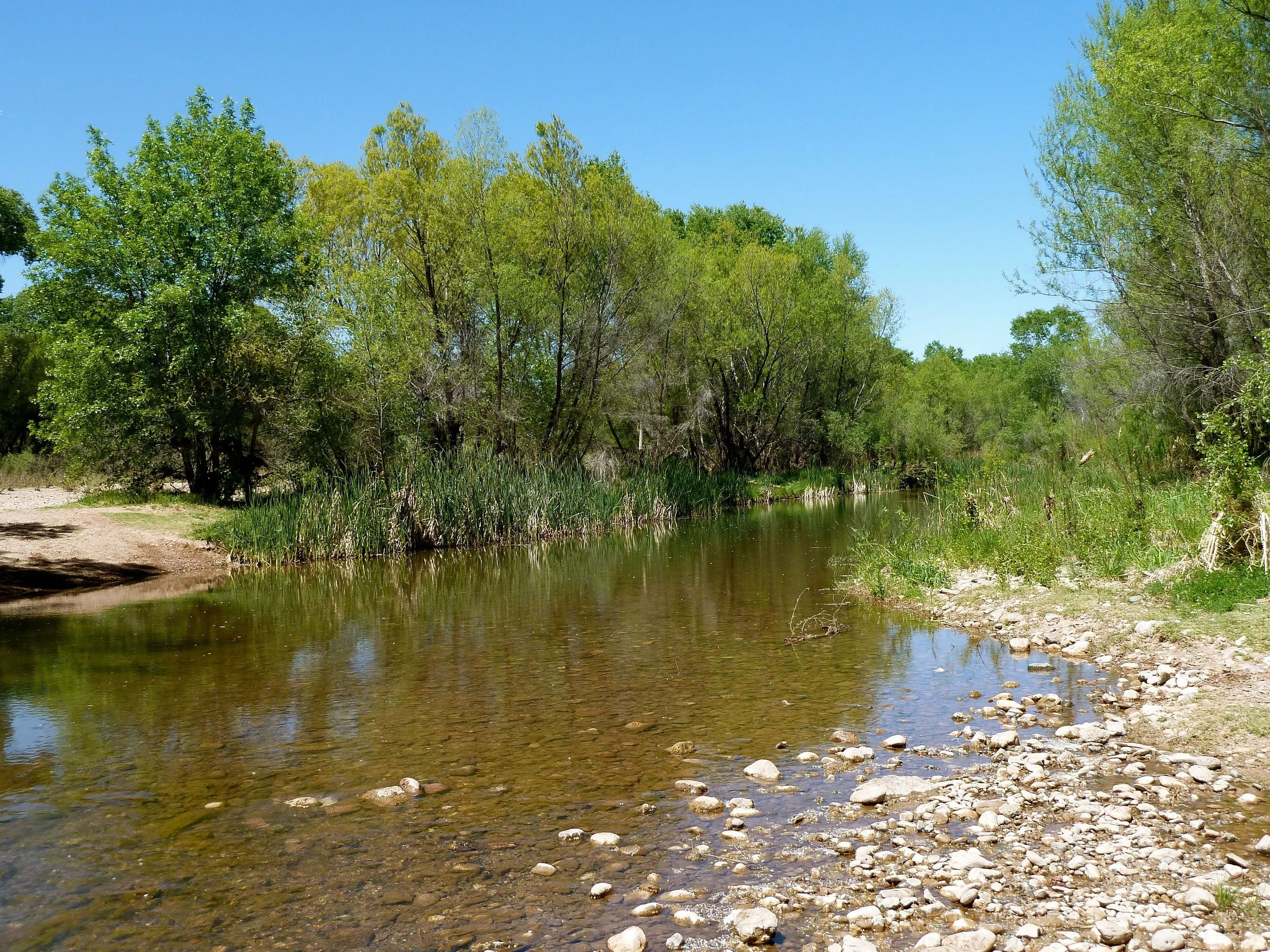
Arizona’s landscapes tell our story — from desert trails and riverbanks to neighborhood parks and small-town main streets. Keeping those places clean, healthy and accessible doesn’t happen by accident. It happens because communities show up to help clean up.
That’s where Keep Arizona Beautiful comes in.
Expanding Access to Capital: Fueling the Growth of Arizona’s Small Businesses
At Local First, we’ve always believed that the success of locally owned businesses creates a strong and thriving Arizona economy. But one of the biggest challenges for local entrepreneurs has long been access to capital — especially in Arizona, where community banking resources are limited. That’s why we’ve made it our mission to break down financial barriers and build new pathways for funding that empower business owners to grow, hire and create a lasting impact on Arizona’s communities.