
A Consolidated Food System: Built for Scale, Not Fairness or Flavor
In the first part of this series, we explored how consolidation has shaped daily life in Arizona, from the cost of groceries to the loss of local news. Nowhere, however, is consolidation more visible than in the food on our plates.
The food system reveals the pattern in its clearest form because every step — from the seeds planted in the ground to the menus at our neighborhood restaurants — has been reshaped by the concentration of power among a few enormous companies.
What follows is a closer look at how that happened, and why it matters for the future of food in Arizona.
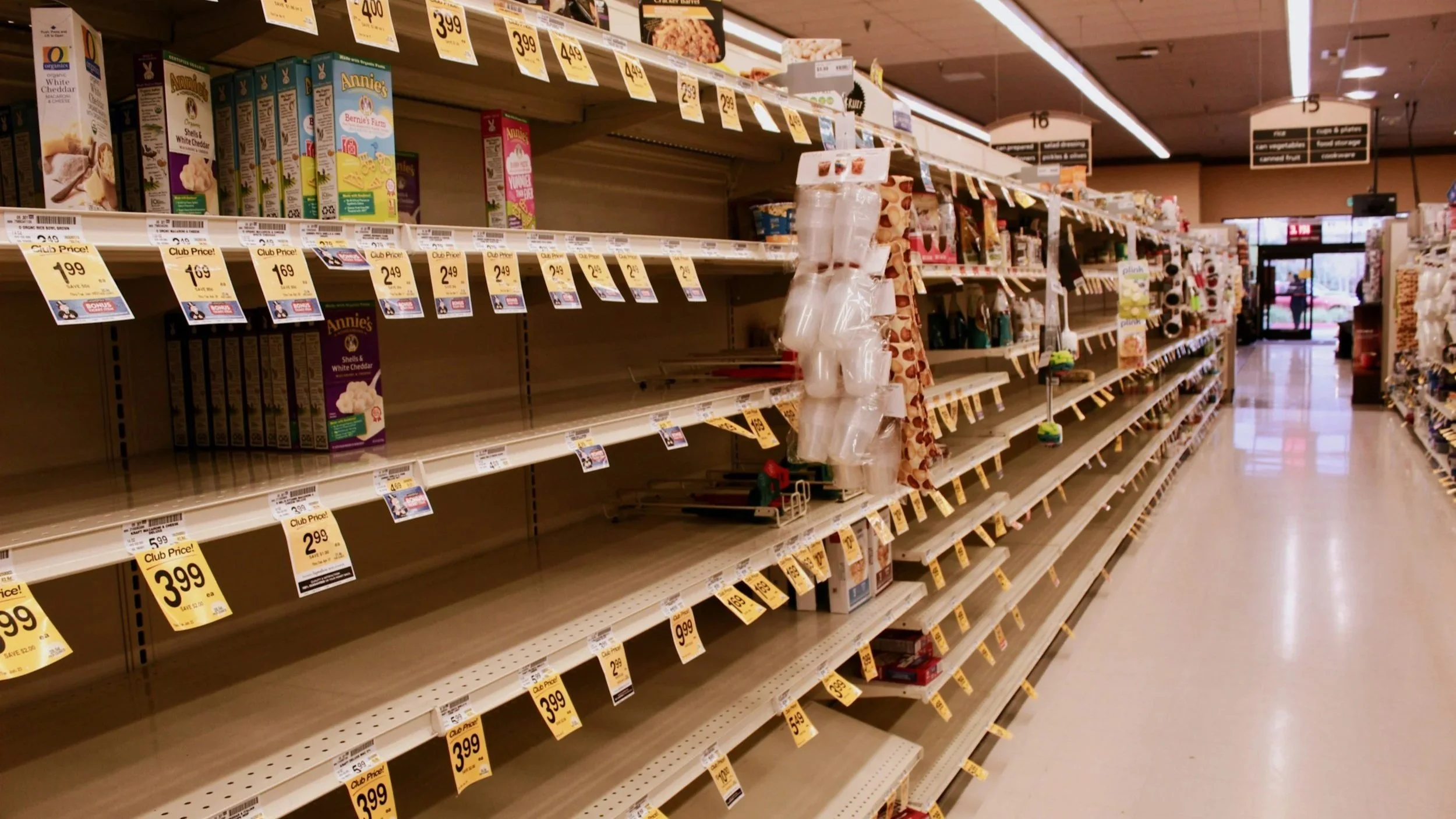
The food system — consolidation at its most visible
Few sectors show the dangers of consolidation more clearly than the food system. The Farm Bill heavily subsidizes corn and soy. You may not realize just how much corn and soy you consume, because food producers have sought out clever ways to get it into your diet — processed into oils, feed, sweeteners, and fillers — to justify their subsidized choice to grow it, which seems a bit backwards. Their abundance has reshaped the American diet: ultra-processed foods made from combinations of corn and soy crowd out whole foods that provide better nutrition. This pattern has produced a diet that is calorie-rich, nutrient-poor and lacking in diversity.
At the same time, farms across the country have faced rising input costs, higher interest rates and low commodity prices. Farmers are being paid about the same prices they saw in the 1970s, without adjusting for inflation. In the first six months of 2025, farm bankruptcies rose 57% compared with the same period the year before, and between 2017 and 2022, the United States lost 142,000 farms. The steepest decline was among the smallest farms with fewer than ten acres. Only the largest farms, often five thousand acres or more, have grown —often by buying up their small neighbors, a perfect example of consolidation.
Moreover, federal programs intended to stabilize farming often flow to the largest operations. Corporate-controlled farms benefit the most from subsidies and relief programs. The result is a landscape where the smallest number of family farms since 1850 remain in operation.

The effect on local economies is profound. Family farms spend 95% of their expenditures locally, while industrial farms spend about 20%. Each closure removes dollars from rural communities and weakens local independence.
Meanwhile, Driscoll’s became the largest berry brand in the world without growing berries. Tyson built a chicken industry through contract farming that places risk on growers. Over time, Sysco bought up more than 150 competitors, turning itself into the country’s dominant national food-service distributor. These companies shape what farmers grow, how they grow it, and how it reaches consumers.
In rural areas, but in cities as well, restaurants often have only one distributor to choose from. They have no negotiating power. If orders arrive damaged or incomplete, they have no options. The local dairy, bakery or egg farm cannot meet the volume requirements to enter these distribution networks. As a result, menus drift toward the same ingredients and the same frozen products — and buying food frozen means long supply chains enabled by workers in Mexico or Southeast Asia who are not paid a living wage or given the dignity of a safe work environment. Regional variety disappears. Chefs lose the ability to tell stories through food. Diners lose the experience of a meal shaped by place.
During the pandemic, some large distributors passed on inflation to customers while raising their own earnings by more than 150%. Their executives stated that they did not plan to compete on price.
This is what consolidation looks like at the dinner table.
Arizona: a frontline state for consolidation
A desert state at the mercy of water availability, Arizona sits at the center of these changes. A small group of 20 families in California’s Imperial Valley holds 1,190,000 acre feet of Colorado River water, acquired through buying up the water rights of nearby farms as they went out of business. Meanwhile, Arizona holds just 2,800,000 acre feet for the entire state. The few families’ water rights exceed those of Wyoming, New Mexico and Nevada.

Water scarcity shapes which crops survive, which farms close and which communities have access to fresh food. Arizona lost 12% of its farms in recent years, a steeper drop than the national average. While some argue that the economic impact is modest, the loss of small farms changes the availability of local food in rural towns and reduces the diversity of crops grown in the region. It discourages new, young and diverse farmers who want to build resilient local systems.
The 2023 Agricultural Census was very revealing for the state of the food system in Arizona: the big are getting bigger. Large farms in Arizona increased their revenue by growing durum wheat, corn for silage and forage crops. These crops serve large markets but offer little diversity for local food chains. Meanwhile, farms that grow desert-adapted crops such as tepary beans, Armenian cucumbers or nopales lose ground. These crops use less water, support local communities and reflect the history of the Southwest. Their loss weakens the region’s resilience.
Local restaurants feel the impact. Local growers cannot access the volume-oriented distribution system. Chefs who want to serve local ingredients face higher costs or inconsistent supply, and regional distributors struggle to compete with national broadliners — companies like Sysco that sell everything from frozen fries to cleaning supplies.
When those networks shrink, communities lose access to local food entirely.
The Way Forward
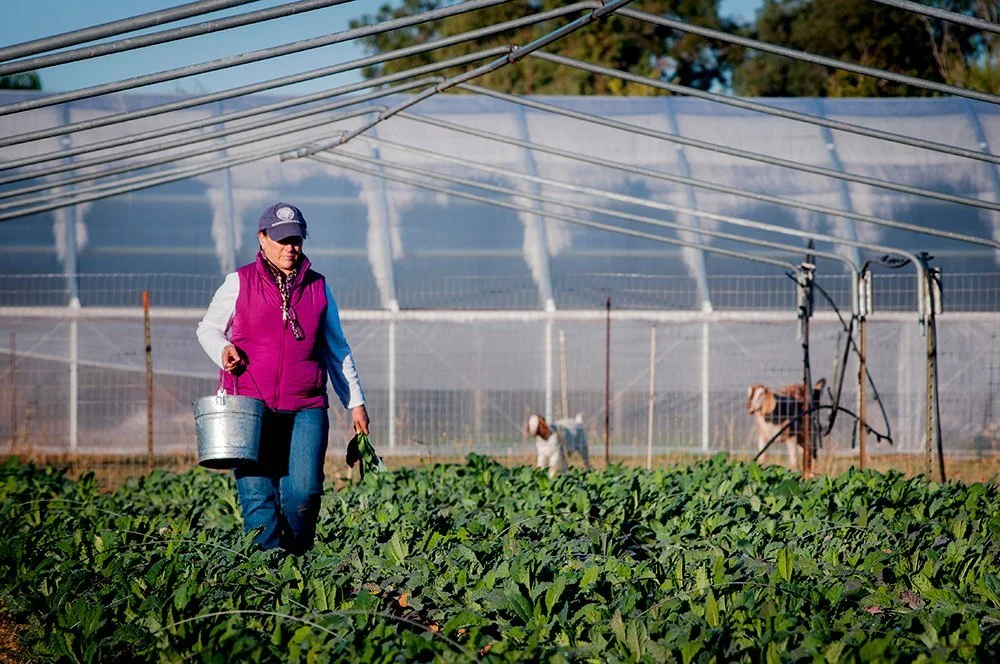
Understanding how consolidation reshaped our food system helps us see what is at stake: the diversity of the crops we grow, the independence of our family farms, the flavor and identity of our regional cuisine, and the resilience of our local economies. Arizona has always been a place defined by ingenuity and adaptation, and those strengths can guide a different path forward. When we support the growers who raise desert-adapted crops, when we choose restaurants committed to sourcing locally, and when we strengthen the regional distributors who keep local food moving, we take meaningful steps toward a food system that reflects our values instead of corporate demands.
Explore Good Food Finder to discover Arizona farms and food businesses. Learn where local ingredients are grown. Dine at restaurants that celebrate regional flavors. Take part in programs that help new farmers and food entrepreneurs build strong, independent businesses. Each choice keeps Arizona’s food system rooted in community rather than consolidation.
By choosing local food and local supply chains, we help ensure that Arizona’s meals tell Arizona’s stories — vibrant, diverse and homegrown.
Learn more
Read the first installment of the series on consolidation, The Cost of Sameness: How Consolidation Threatens Local Food, Local Business and Local Identity in Arizona
Explore our Good Food Finder Directory that connects you to local Arizona farms, food businesses, and restaurants
Check out the our Local Business Directory to find locally-owned businesses of all kinds that you can support near you
Explore our entrepreneurship development programs for businesses, farms and food entrepreneurs
Read more about monopolies and consolidation in the food system in Barons: Money, Power, and the Corruption of America's Food Industry by Austin Frerick
Watch this video “I Tracked Down the Company Ruining Restaurants“ from More Perfect Union about how Sysco has overtaken the food system
Read more about how internet companies such as Amazon and Google amass power, gobble up competition and then make life worse for clients and customers in Enshittification: Why Everything Suddenly Got Worse and What to Do About It by Cory Doctorow