
Our State is OUR Story
Our vision is an Arizona where success knows no boundaries.
A state where every individual discovers fertile ground to sprout, dream, and blossom.
Arizona Central Credit Union CEO Brian Lee on the importance of local relationships in an increasingly digital world.
Northern Arizona
Arizona Central Credit Union CEO Brian Lee on the importance of local relationships in an increasingly digital world.
Hear from Jennifer Kimmel, senior vice president and chief experience officer at TruWest, about TruWest Credit Union's approach to homeownership, financial education and collaboration in the Arizona Credit Union Podcast.
OneAZ Credit Union leaders Mike Bowden and Chip Griffith explain why locally rooted financial institutions matter for Arizona businesses and communities.
When we talk about choosing local, we usually think about where we shop, eat or hire a service. But some of our most consequential economic choices happen long before we make a purchase.
Where you keep your money may feel like a personal financial decision. But collectively, those decisions can shape which businesses get access to capital, which communities retain financial services and how much money continues circulating within Arizona.
What happens when a credit union has been rooted in the same community since 1937 — and still considers itself just getting started?
In the latest episode of the Arizona’s Credit Unions Podcast, Local First Arizona's Thomas Barr sits down with Tucson Federal Credit Union President and CEO Matthew Gaspari and Vice President of Business Services Shaima Namazifard to talk about what local banking looks like in practice — from expanding access to business capital to keeping financial decisions rooted in the communities they affect.

For Spinato's, employee ownership - or ESOPs - offered a way to accomplish several goals at once: preserve the company's legacy, keep the business locally rooted, reward longtime employees and create another reason for talented people to build careers with the company.
Shifting economic priorities means changing the policies, market conditions and systems that determine who has access to opportunity, resources and economic power. For Local First Arizona, that means helping locally owned businesses build collective leverage, removing structural barriers and creating more ways for Arizona communities to benefit from the wealth generated here.
Central Arizona
Arizona Central Credit Union CEO Brian Lee on the importance of local relationships in an increasingly digital world.
Hear from Jennifer Kimmel, senior vice president and chief experience officer at TruWest, about TruWest Credit Union's approach to homeownership, financial education and collaboration in the Arizona Credit Union Podcast.
OneAZ Credit Union leaders Mike Bowden and Chip Griffith explain why locally rooted financial institutions matter for Arizona businesses and communities.
When we talk about choosing local, we usually think about where we shop, eat or hire a service. But some of our most consequential economic choices happen long before we make a purchase.
Where you keep your money may feel like a personal financial decision. But collectively, those decisions can shape which businesses get access to capital, which communities retain financial services and how much money continues circulating within Arizona.
What happens when a credit union has been rooted in the same community since 1937 — and still considers itself just getting started?
In the latest episode of the Arizona’s Credit Unions Podcast, Local First Arizona's Thomas Barr sits down with Tucson Federal Credit Union President and CEO Matthew Gaspari and Vice President of Business Services Shaima Namazifard to talk about what local banking looks like in practice — from expanding access to business capital to keeping financial decisions rooted in the communities they affect.
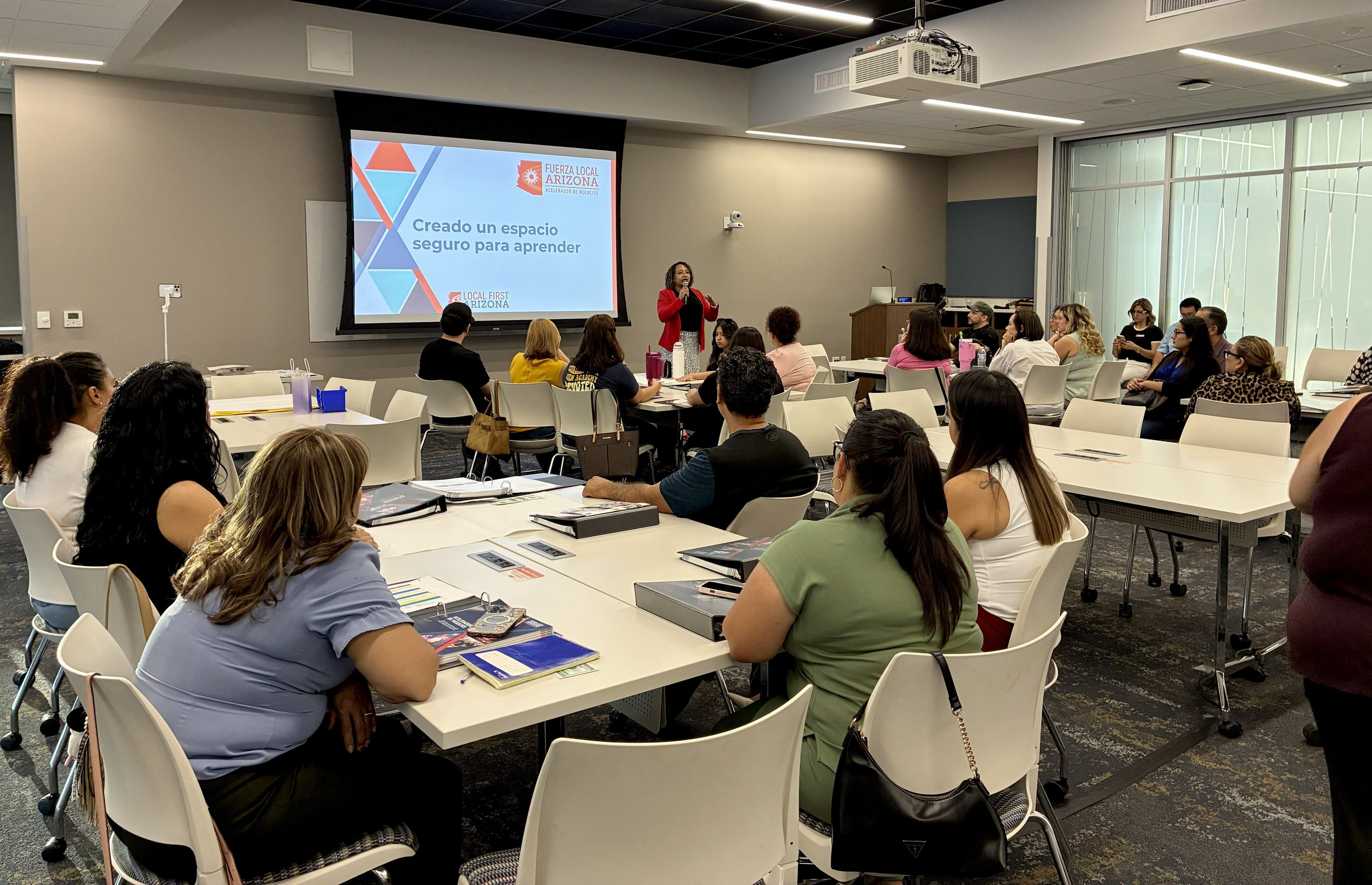
Hace algunos años, Yorsa Martinez se sentaba entre decenas de emprendedores que buscaban aprender cómo convertir una idea en un negocio. Hoy regresa al mismo salón, pero desde el frente del aula.
Ya no llega como estudiante, sino como facilitadora, coach y conferencista que acompaña a otros en el mismo camino que ella recorrió. Su historia refleja el poder de la preparación, la perseverancia y el compromiso de devolver a la comunidad aquello que un día recibió.
For Spinato's, employee ownership - or ESOPs - offered a way to accomplish several goals at once: preserve the company's legacy, keep the business locally rooted, reward longtime employees and create another reason for talented people to build careers with the company.
Southern Arizona
Arizona Central Credit Union CEO Brian Lee on the importance of local relationships in an increasingly digital world.
Hear from Jennifer Kimmel, senior vice president and chief experience officer at TruWest, about TruWest Credit Union's approach to homeownership, financial education and collaboration in the Arizona Credit Union Podcast.
OneAZ Credit Union leaders Mike Bowden and Chip Griffith explain why locally rooted financial institutions matter for Arizona businesses and communities.
When we talk about choosing local, we usually think about where we shop, eat or hire a service. But some of our most consequential economic choices happen long before we make a purchase.
Where you keep your money may feel like a personal financial decision. But collectively, those decisions can shape which businesses get access to capital, which communities retain financial services and how much money continues circulating within Arizona.
What happens when a credit union has been rooted in the same community since 1937 — and still considers itself just getting started?
In the latest episode of the Arizona’s Credit Unions Podcast, Local First Arizona's Thomas Barr sits down with Tucson Federal Credit Union President and CEO Matthew Gaspari and Vice President of Business Services Shaima Namazifard to talk about what local banking looks like in practice — from expanding access to business capital to keeping financial decisions rooted in the communities they affect.
For Spinato's, employee ownership - or ESOPs - offered a way to accomplish several goals at once: preserve the company's legacy, keep the business locally rooted, reward longtime employees and create another reason for talented people to build careers with the company.
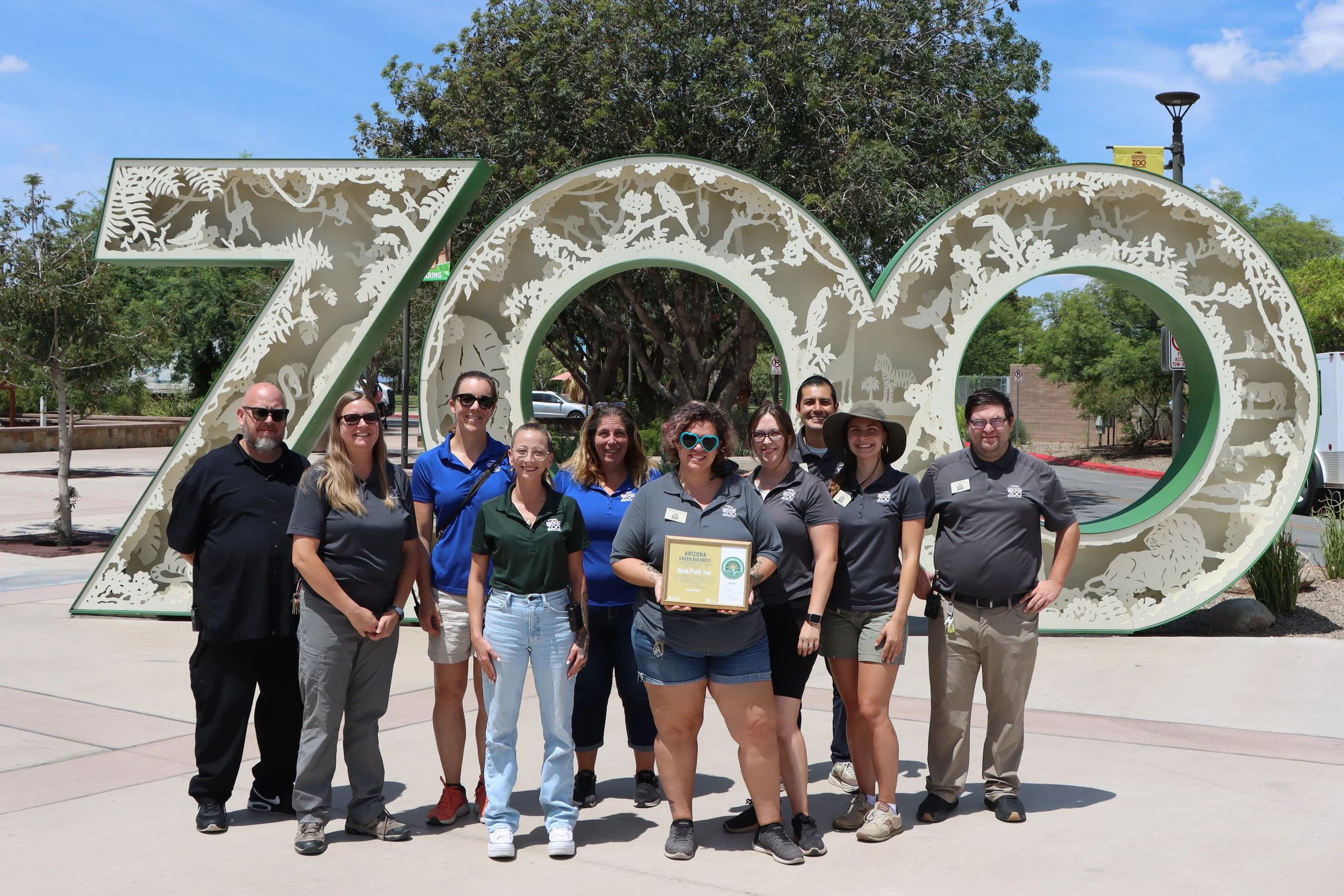
At Reid Park Zoo, protecting wildlife isn't something that happens only inside an animal habitat.
It influences how buildings are constructed. How landscapes are planted. What gets composted. How products are purchased. And even how much water flows through a sink, toilet or pool. That connection between mission and operations is one reason Reid Park Zoo has earned a renewed Green Business Certification from Local First Arizona.