
Tempe Restaurants Help Transform Food Scraps Into Farmland
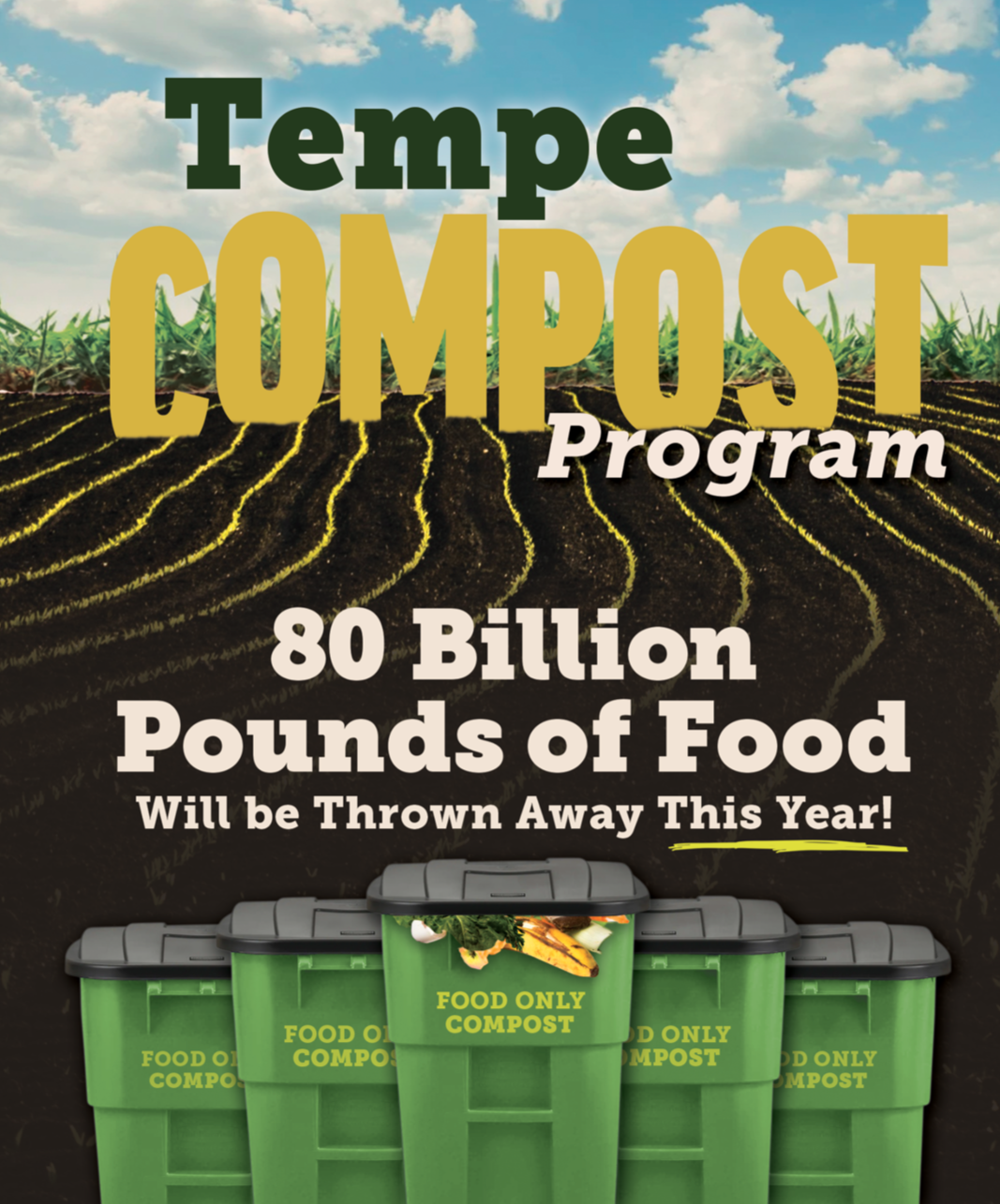
If you knew 40% of the food grown in the US goes to waste every year, would you try to fix the problem? That’s what locally-owned restaurants along Apache Boulevard in Tempe are trying to do. On May 31st restaurant owners, food producers, composters, business support experts, Tempe city officials including Councilmember Arlene Chin, and caring residents came together at Mundo Grill in Tempe to launch the Tempe Compost Program, a circular economy initiative that aims to turn food scraps once destined for the landfill into farmland to grow more food to put on your plate.
How does it work?
As a joint effort between Local First Arizona and the City of Tempe, local restaurants are equipped with the knowledge, skills, and infrastructure to capture 100% of food scraps, diverting them into compost bins, which are picked up regularly by R. City. R.City then turns the food scraps into compost, becoming nutrient-dense soil that will grow fresh produce again, which restaurants can purchase for their ingredients. The goal is that the cycle will repeat creating circularity - a system where there is no waste, only new inputs to start the cycle again.
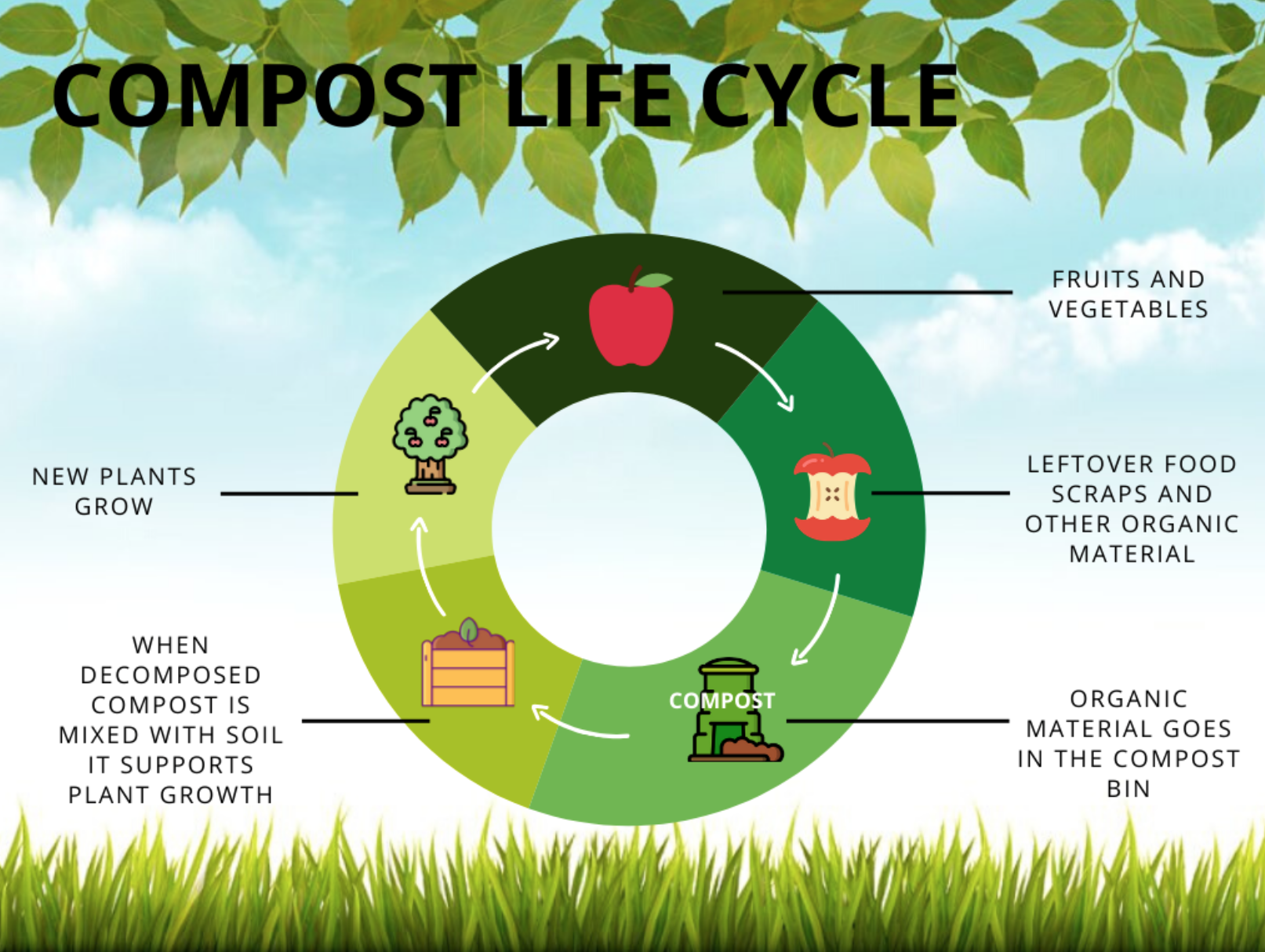
Photo credit: compostfoundation.org
Why does this matter?
What does 40% of the food we grow every year look like? That’s like all 336 million people in the US throwing away 640 oranges (or 1,000 prickly pears) right in the trash, along with all of the energy, water, and labor hours that went into growing them. When in the landfill, that food breaks down and releases methane, a gas 23 times more effective at trapping heat than carbon dioxide, meaning even higher temperatures and even higher utility bills for all Arizonans. It also means that organic matter doesn't get returned to the soil, reducing our ability to grow our own food locally.

Mundo Grill on Apache Blvd. in Tempe hosted the kickoff event on May 31.
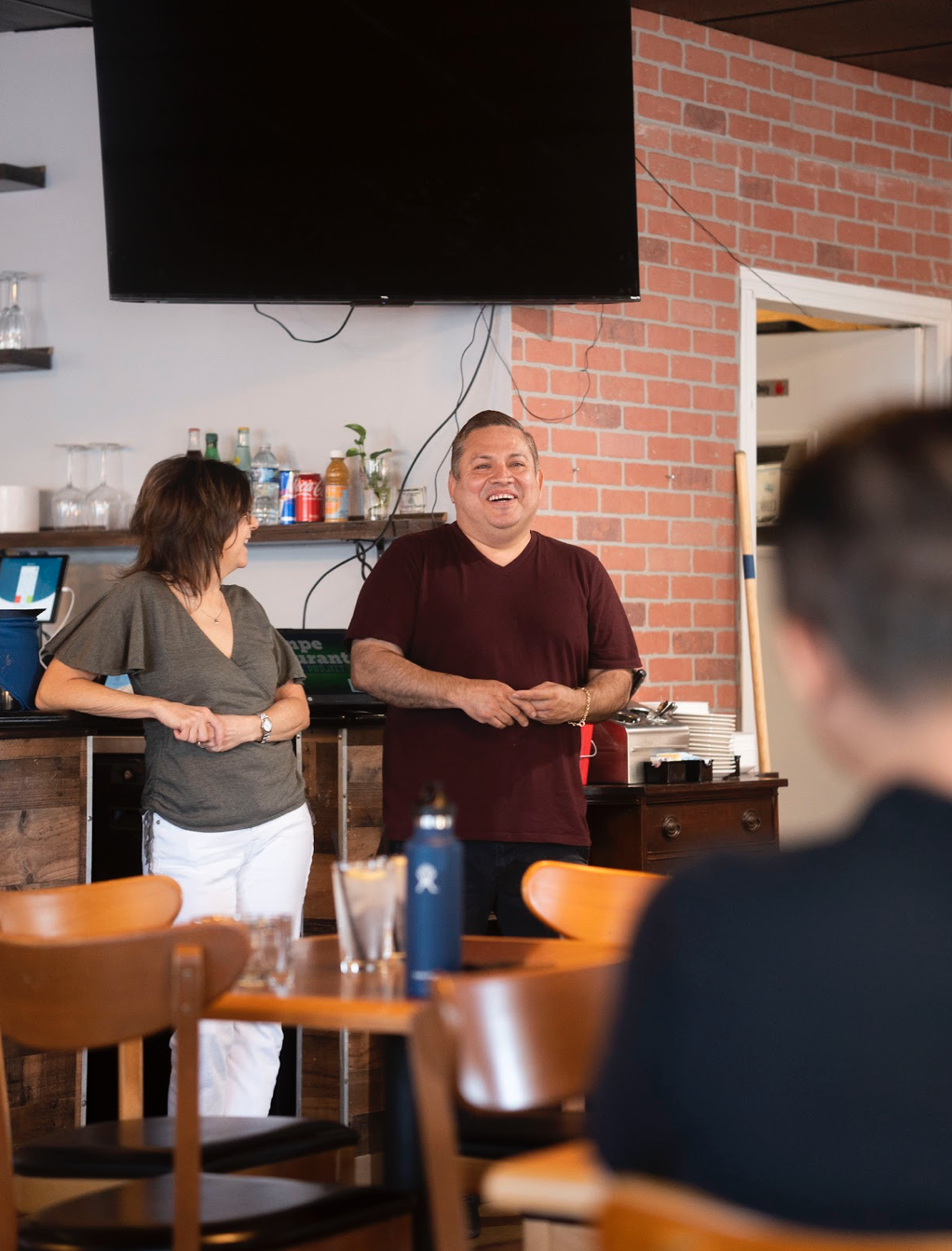
Mundo Grill owner Oscar Rodriguez chats with Local First Arizona CEO Kimber Lanning.

Tempe Councilmember Arlene Chin speaks to the importance of supporting composting and other sustainability solutions for local restaurants.
You can help take action in 2 easy steps!
Restaurants composting their food scraps will not only help regenerate farmland, it can benefit the restaurants as well. Less material going into the dumpster means fewer trash pickups, resulting in lower costs and fewer emissions from transportation. However, we as consumers also have a role to play in ensuring these solutions become the norm throughout our local economy and food system.
1. Support local restaurants that compost - Locally-owned food businesses are leading the charge in creating jobs, supporting Arizona’s producers, preventing waste, all while being a strong support in their community. Choosing local restaurants means keeping dollars circulating in your local community and developing a connection to the people, land, animals, and resources that bring food to your table. Mundo Grill and Cocina Chiwas on Apache Blvd. are two examples of businesses with these practices.
2. Inspire others to take action - Share your experiences with these sustainable or “green” businesses with others through word of mouth or social media. Write an online review about the business that also mentions practices you care about like composting or water conservation. This connects supporting the business to creating a resilient future for Arizona. Maybe you have a close relationship with a food business that hasn’t already considered these practices. Talk to them - businesses want to know what their customers want!
Do you know of a business that is already composting or would like to? Are you a business owner who would like to implement cost saving solutions that benefit the community? We want to hear from you! Reach out to Nick Shivka, Senior Manager of Sustainability Initiatives today at nick@localfirstaz.com or (602)-956-0909 x25.
