
Why Should School Lunches be More Local?
Written by Courtney Kentch
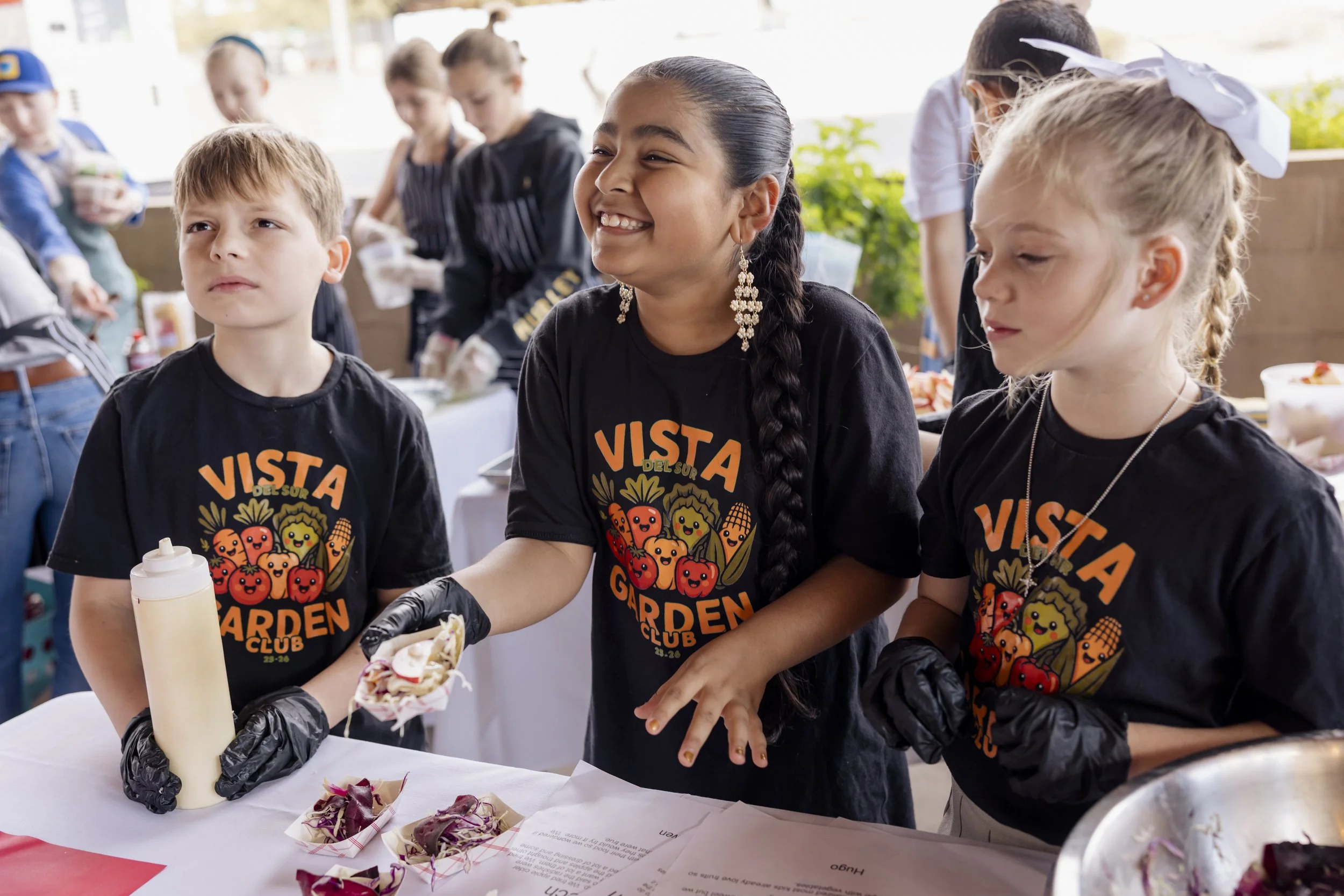
“You could bring all the local food into schools that you want, and it could still go into the trash can,” Arizona Farm to School organizer Paige Mollen stated. Her point was simple: if we want better school meals, we have to think about not just what's on the tray, but how the whole system around it works. Groups like Blue Watermelon Project and the Arizona Farm to School Network are already trying to change that system here in Arizona.
Every school meal is a chance to help students feel nourished, stay focused in class and feel like they belong at school. Often, we only hear about school meals when something goes wrong, like a photo of an unappetizing, beige tray going viral online or a headline about french fries or pizza counting as a “vegetable.” Yet there is a lot happening behind the scenes, such as tight budgets, diligent kitchen staff, strict nutrition rules and decisions about where that food comes from. All of these choices directly affect the local community.
In researching this topic, we spoke with people who work on school food every day: Paige Mollen from the Arizona Farm to School Network and Kayla Lalone and Sarah Martinelli, who support farm-to-school and nutrition education efforts across Arizona through Blue Watermelon Project. They see school meals not only as fuel for learning, but also one of the most impactful ways schools can connect students to local farms and fresh healthy food. We will dive into their stories in the next blog.
In this blog, we’ll look at what makes a good school lunch and where the system falls short. Next week, we’ll examine how local food and community partnerships in Arizona can move things in the right direction.
Why school lunches matter for kids
“In Arizona, those meals are sometimes the healthiest food a student gets, especially when their family could be dealing with rising costs or food insecurity. ”
Across the country, the National School lunch program feeds millions of children every day. In Arizona, those meals are sometimes the healthiest food a student gets, especially when their family could be dealing with rising costs or food insecurity. That’s especially true now that Arizona has been the hardest-hit state by recent cuts to the Supplemental Nutrition Assistance Program (SNAP), with roughly half of SNAP participants losing benefits in the past year under President Trump’s new law. Research shows that students who regularly eat school meals tend to have better overall diets, attend school more consistently and show up more ready to learn. For many kids, lunch at school isn't just another option, it's a meal that they're counting on.
Free and reduced-priced meals, especially universal free meals, also alleviate some of the pressure and embarrassment around food. When everyone goes through the same lunch line, students don't have to worry so much about who can afford what to eat and instead have peace of mind knowing they have a nutritious meal. For families, knowing their child will have a reliable meal at school can ease stress and is one less question to worry about at the end of the day when money and time may already be stretched.
Research from the Food Research and Action Center and the School Nutrition Association shows that school meals can reduce food insecurity, obesity and poor health among children, and that they are often the healthiest meals kids eat in a day. That means the decisions schools make about what to serve isn’t just about filling up the trays, it directly shapes the long-term health and well-being of the next generation.
School lunches as a foundational part of Arizona’s local food system
One thing that often gets overlooked is that school cafeterias aren't just feeding kids; they are also major food buyers in the local community. When districts decide to spend their food budgets on Arizona ground produce, grains or other ingredients, they are choosing to keep the public dollars circulating in the local community rather than sending the money out of state. School meal funding doesn't just support the students, it has the potential to support farmers, food workers, and local businesses.
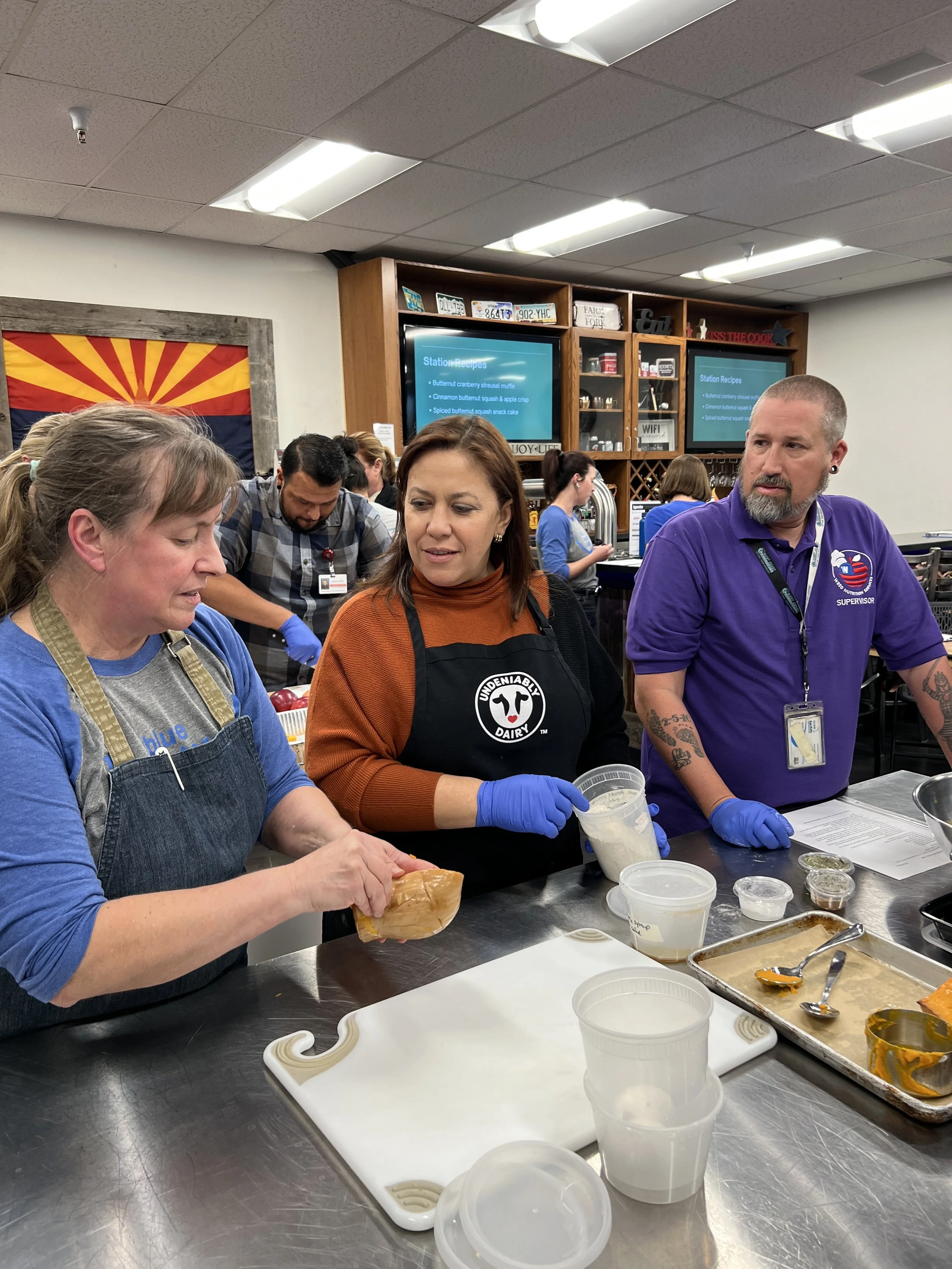
In fact, institutional contracts can do more to support local and regional food systems than almost any other local food market, due to their scale and consistency.
Serving more local fruits and vegetables in school meals not only keeps money close to home, it can also improve what ends up on students’ trays. Local produce is often fresher and more flavorful because it hasn’t traveled as far, which can make it more appealing and help kids eat more fruits and vegetables. It also gives schools access to seasonal ingredients that can tie into lessons about nutrition, science and Arizona’s own food and farming practices.
Right now, many Arizona schools are starting small, such as buying fresh fruits and vegetables from local farmers for taste tests in classrooms, garden lessons or special events. Others have started using local ingredients in specific parts of the menu instead of trying to change everything at once. Co-ops and aggregators, such as Sun Produce Co-op in central Arizona, help make this possible by collecting products from several local farms and selling them in a way that fits the school buying system, for example, offering pre-washed and packed produce, reliable volumes and single invoices, so child nutrition directors can order local food through the same processes they use for other vendors. Many schools are trying to bring in more local food but face higher costs and tight budgets that make it hard to do at this scale.
School gardens can add another layer that connects food with education. When students plant seeds, care for the plants and get to harvest and taste what they grew, food becomes personal. In Arizona, state policy explicitly allows schools to serve certain fruits and vegetables grown in school gardens in the cafeteria, as long as they follow established food safety and handling requirements. That’s why programs like the free school garden food safety certification exist to give schools a clear checklist for things like safe growing practices, harvesting, washing and documentation to help child nutrition directors feel confident that garden produce meets the same standards as other food served in school meals.
Check out our next blog to learn about how Blue Watermelon Project and Arizona Farm to School Network are making school lunches more local.
Learn More:
This blog was written by Courtney Kentch, our Resilient Food Summer Intern who came to Local First Arizona through the USDA NextGen Program at Arizona State University.