Long before we stepped onto a farm, we noticed something: everyone we met in Sacramento kept talking about one another.
Farmers spoke about school nutrition directors. School nutrition leaders praised nonprofit partners. University researchers described collaborations with chefs. Food hubs celebrated the growers they worked alongside. Conversation after conversation returned to the same idea: no single organization was responsible for the region's success. It belonged to all of them.
That spirit is what has earned Sacramento the title of America's Farm-to-Fork Capital. The region has spent decades intentionally building connections between the people who grow food, prepare it, teach about it and eat it, together creating an aspirational model of farm to school centered on local food.
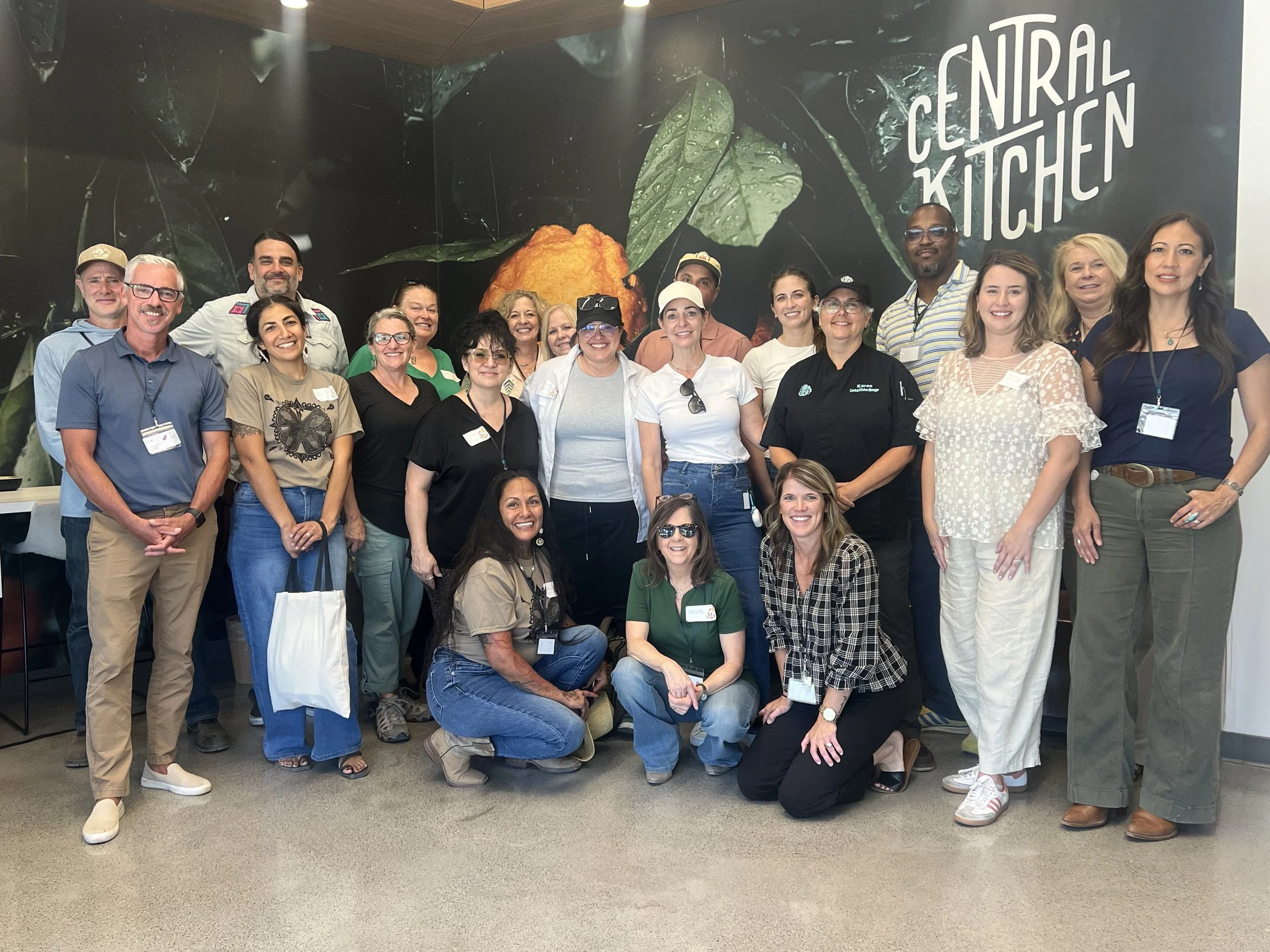
Recently, the Sprouts Healthy Communities Foundation invited Local First Arizona to join partners from Blue Watermelon Project, Tonatierra, Roosevelt School District and Spaces of Opportunity on a study tour of the Sacramento region. We came hoping to learn about successful farm-to-school programs. We left with something even more valuable: a glimpse of what becomes possible when an entire community commits to a shared vision for food.
Spork Food Hub
Every stop reinforced the same lesson. Thriving local food systems are not built by chance. They are built through relationships, patience and a willingness to keep improving step by tiny step, year after year.
Our first stop, Spork Food Hub, made that clear immediately.
Today, Spork connects more than 120 farms with schools, institutions and other buyers across Central and Northern California. Every week, produce from dozens of growers flows through the warehouse on city-owned property to 35 school districts, over 30 correctional facilities and other institutions, creating reliable markets for local agriculture while bringing fresher food to thousands of people.
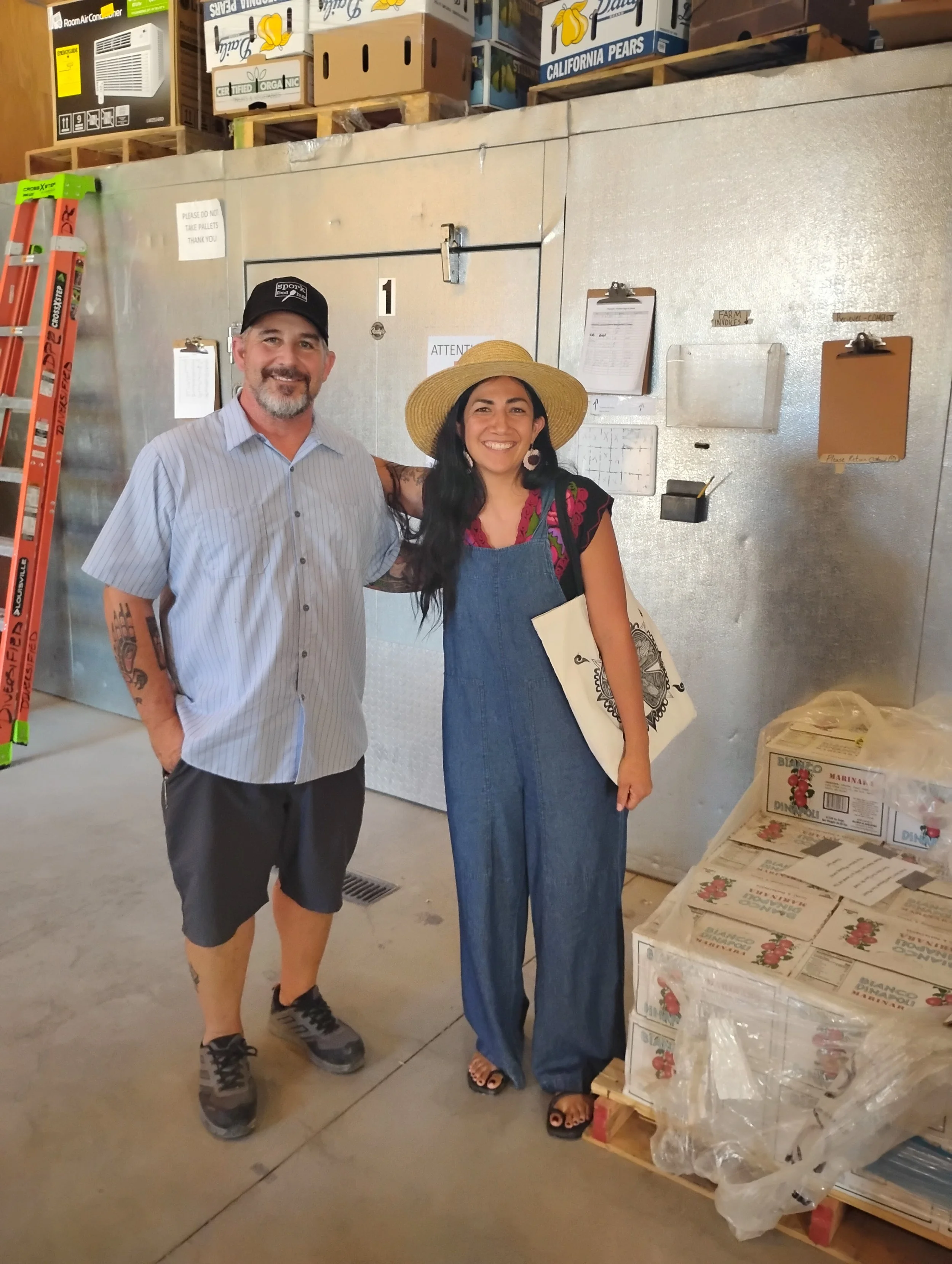
Yet, they didn't begin with a massive warehouse or sophisticated logistics network. They grew one grant, one new partnership, one solved problem at a time. Listening to the team — Shane, Hope and Jacob — describe their work, it became clear that they don't think of themselves as simply moving produce: they spend just as much time building relationships.
Every school kitchen is different. Each farmer has different production schedules, and every season brings surprises. Rather than trying to force a rigid system, Spork has built one that adapts.
Instead of asking small farms to guarantee volumes months in advance through forward contracts, they largely work with what growers have available, coordinating when possible while remaining flexible enough to respond to changing harvests. Larger, established farms provide dependable baseline supply while smaller producers contribute additional seasonal crops, allowing more local farms to participate without carrying unrealistic risk.
Their philosophy extends beyond logistics. We heard stories about taking ownership when mistakes happen, solving problems quickly and viewing every challenge as an opportunity to strengthen relationships and reinforce their shared commitment to their North Star.
UC Davis Kids in the Garden Program
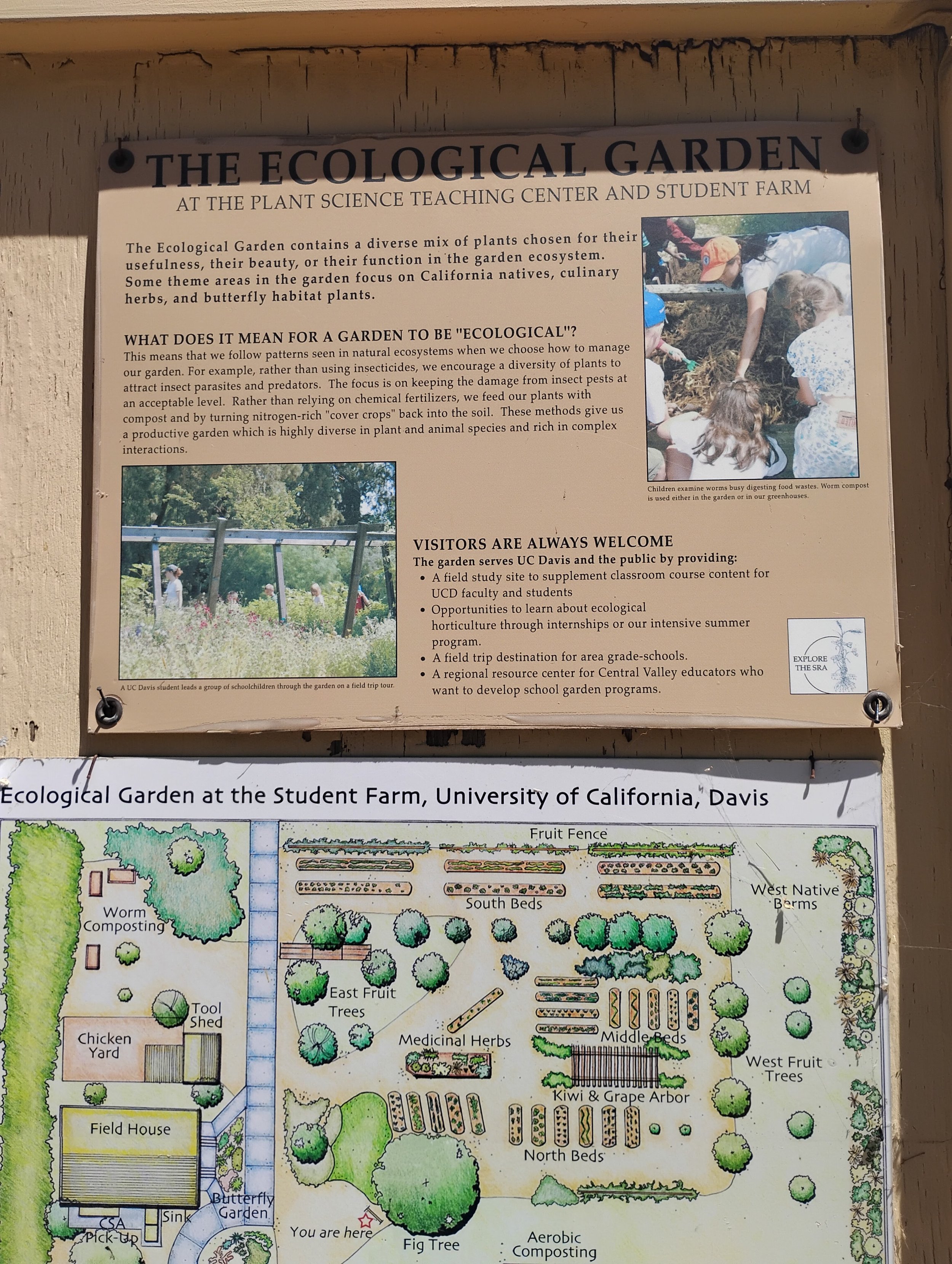
At the University of California, Davis, we saw another piece of the puzzle where food education extends far beyond a school garden.
Students enrolled in the Kids in the Garden program spend one semester learning and the next teaching younger students. The experience not only builds practical gardening skills but also develops leadership, communication and confidence.
The university's Student Farm continues that journey, preparing future professionals in food, agriculture, health and environmental fields while connecting students with careers that strengthen local food systems. It reinforces the idea that if we want healthier food systems tomorrow, we have to invest in the people who will lead them.
Mulvaney’s B&L
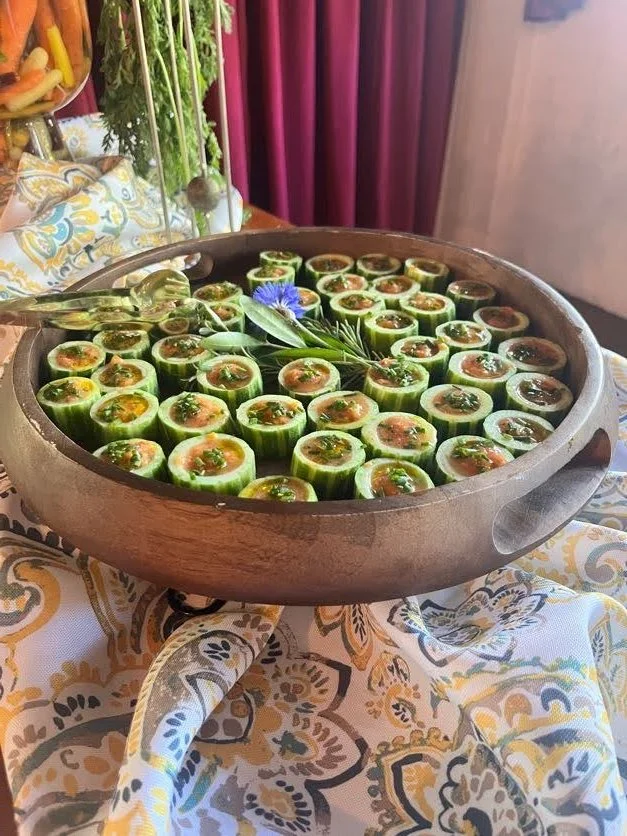
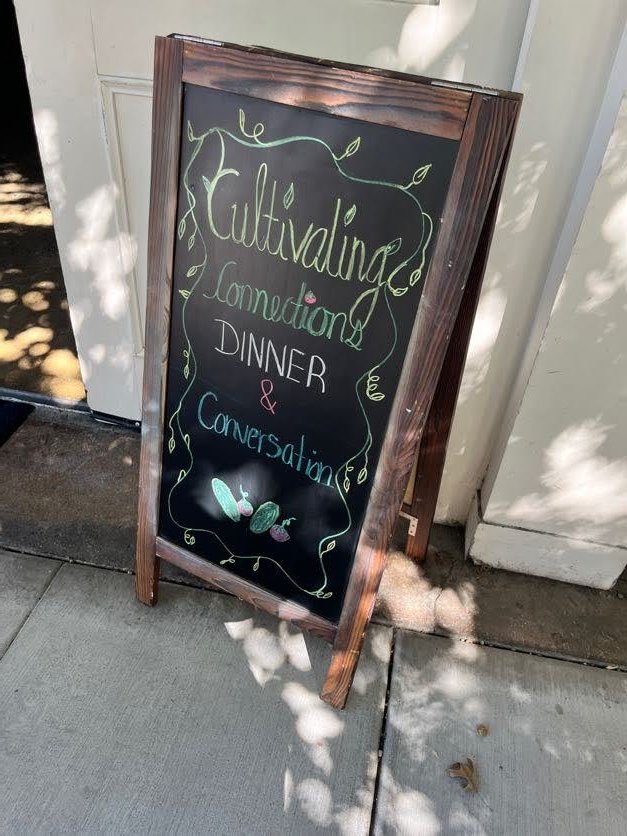
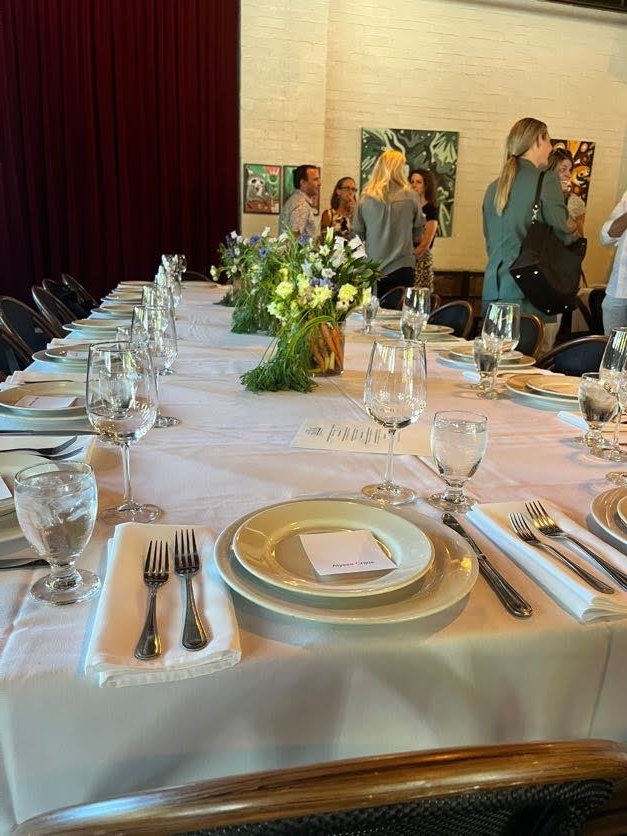
What would a food system outing be without some phenomenal food? The group convened at Mulvaney’s B&L for a family-style meal shared between the teams from Phoenix and Sacramento, where we were able to learn from one another on an intimate level.
The chef, Patrick Mulvaney, who once worked for trip attendee Charleen Badman of FnB and Blue Watermelon Project, emphasized flexibility and seasonality in his approach to food. He too grew piece-by-piece, starting in a retired firehouse and adding buildings and courtyards until the restaurant sprawled most of the block.
Our conversations, including with California Secretary of Agriculture Karen Ross, emphasized policy, policy, policy. In particular, policy around procurement can help secure consistent funding for farms and schools, but that it’s important to frame this as additive to the food system rather than taking away from big ag.
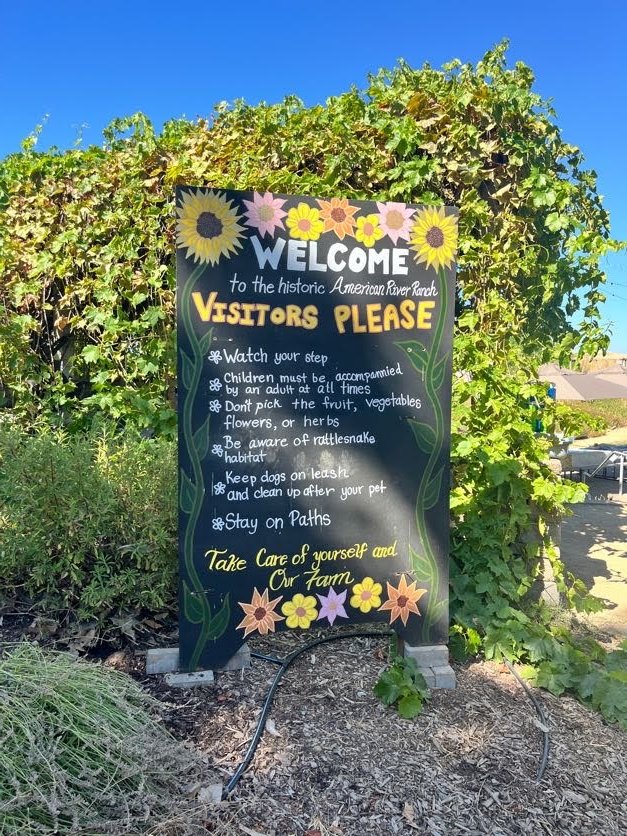
Soil Born Farms
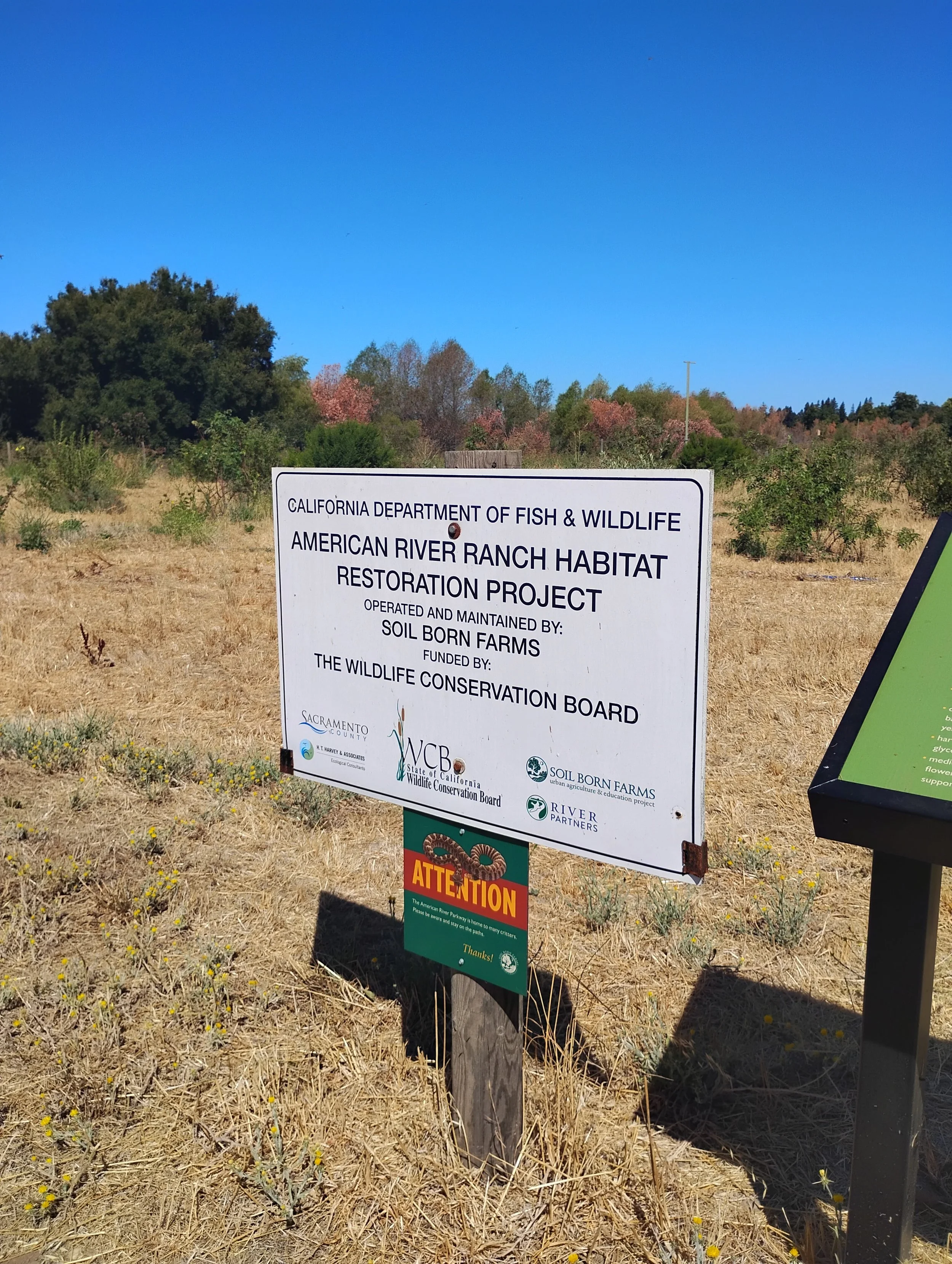
If Spork showed us the importance of relationships, Soil Born Farms showed us what happens when a community invests in a place for those relationships to grow.
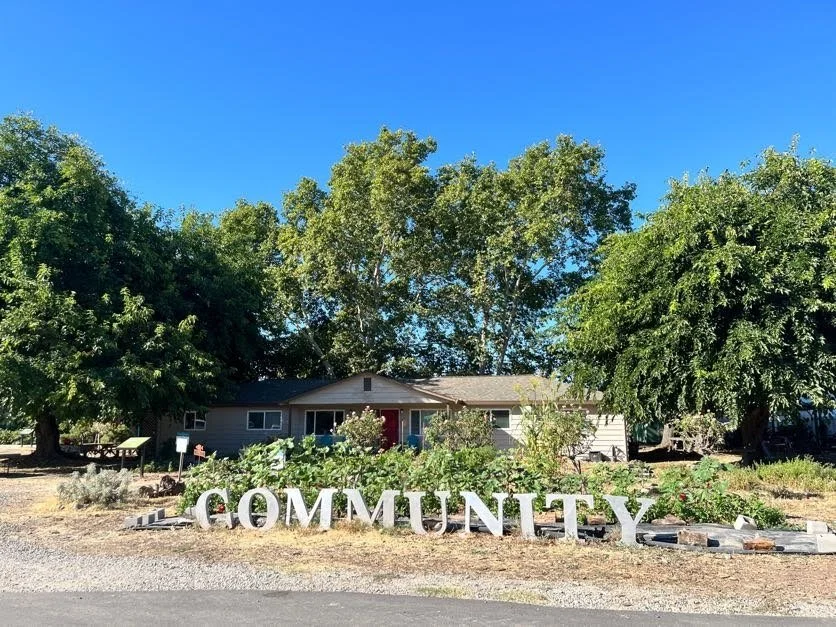
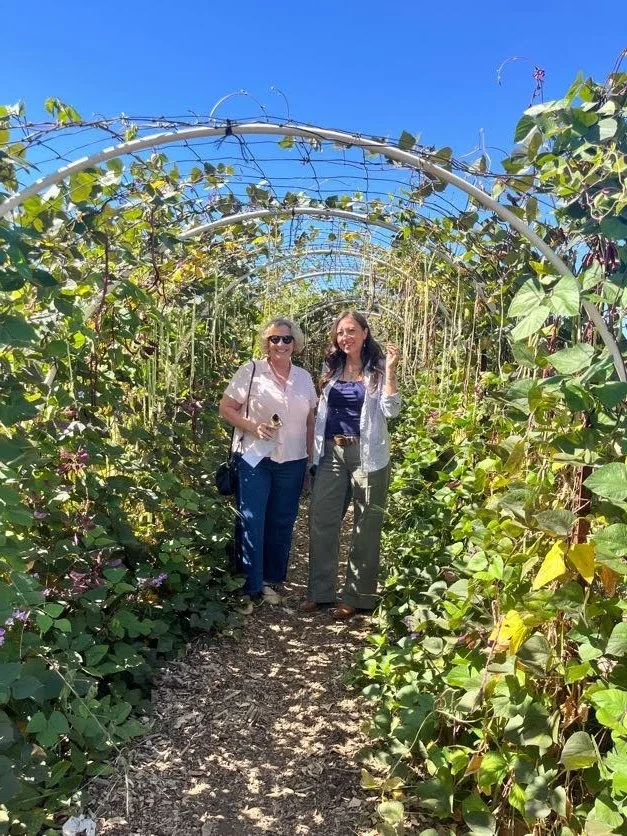
Located on the American River and protected in a permanent easement, Soil Born is much more than a working farm; it is a classroom, a gathering place, an environmental restoration project and a community commons all at once.
Walking the property, it is difficult to imagine that much of this land once sat neglected. Over two decades, staff, volunteers and community partners patiently restored the landscape, planting fields, improving habitat and creating spaces where people could reconnect with both food and nature. Today, more than 150 species of birds visit the property, while nearby waterways once again support salmon and steelhead.
The Farm Director, Shawn Harrison, emphasized one simple question: How do we build conditions for life to thrive?
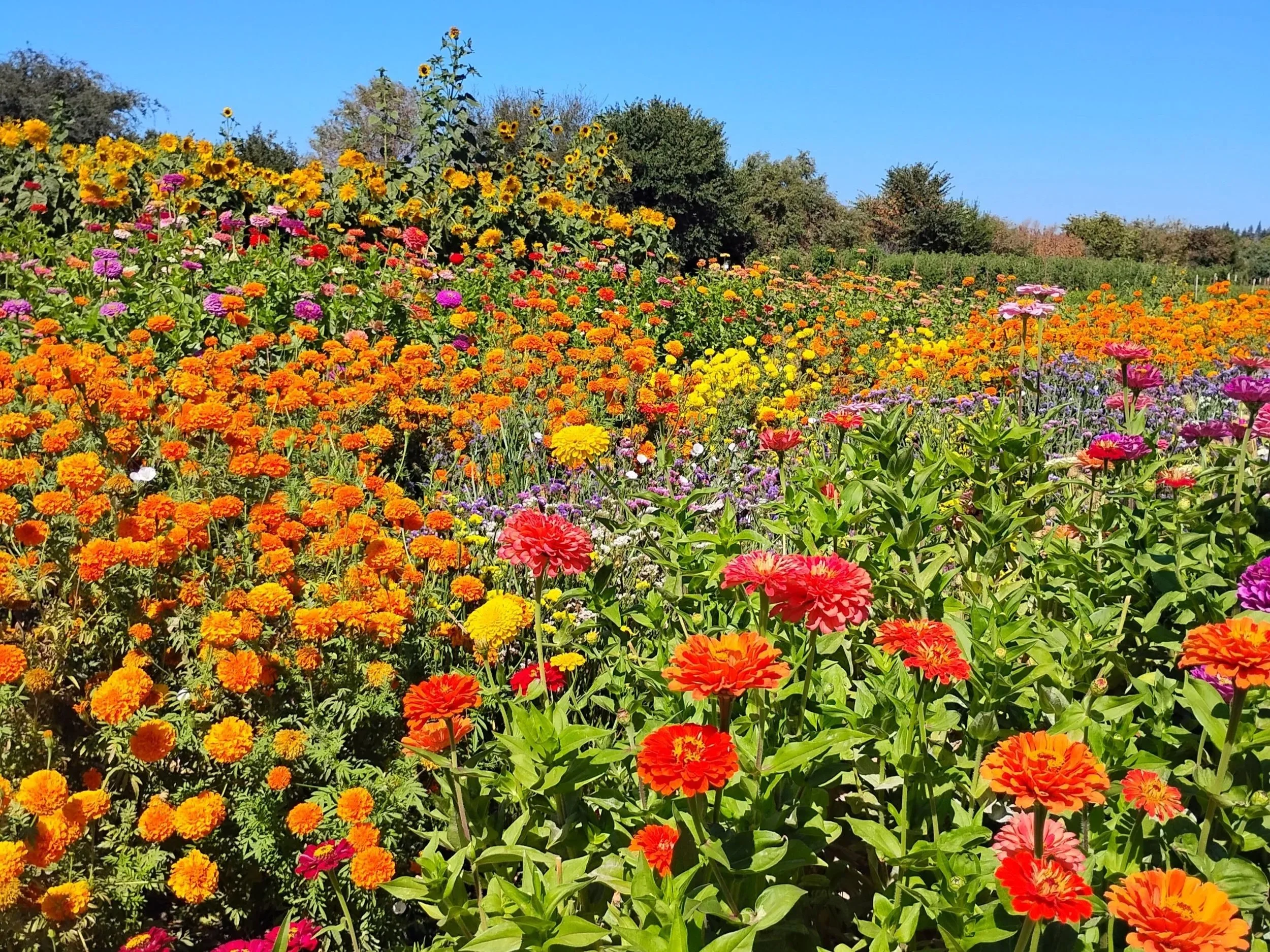
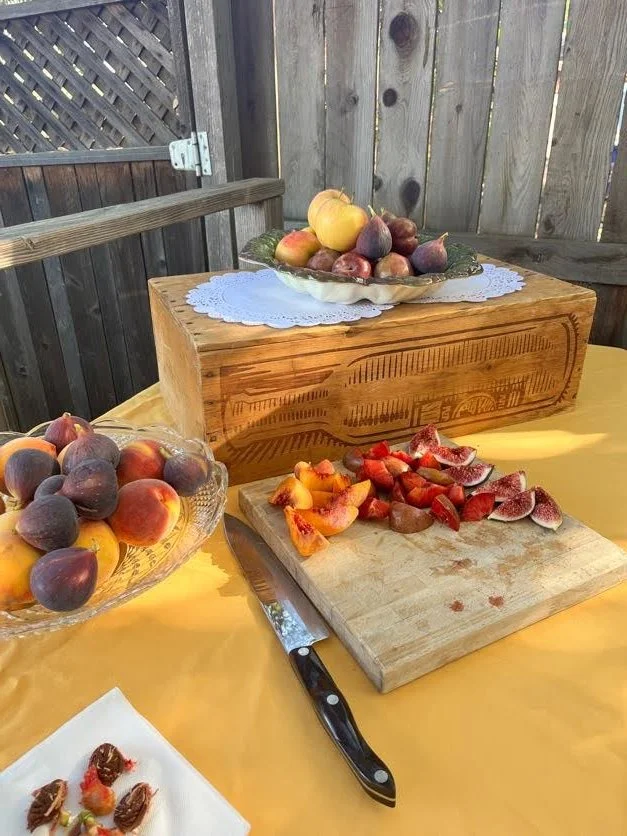
But birds, bugs and plants aren’t the only things thriving on the farm — people seemingly come to life there, too. School field trips introduce children to growing food. Summer camps spend one day farming, another cooking, another exploring the river ecosystem and another harvesting vegetables to stock a farmers market where parents shop when they pick up their children. Adults attend more than 140 classes each year on gardening, herbal medicine and home food production. Teenagers earn paid jobs while developing leadership skills. Community dinners bring neighbors together around the harvest. The Saturday market draws hundreds of people each week, turning the farm into a vibrant public gathering space where food, music and conversation naturally intersect.
Each program strengthens the others.
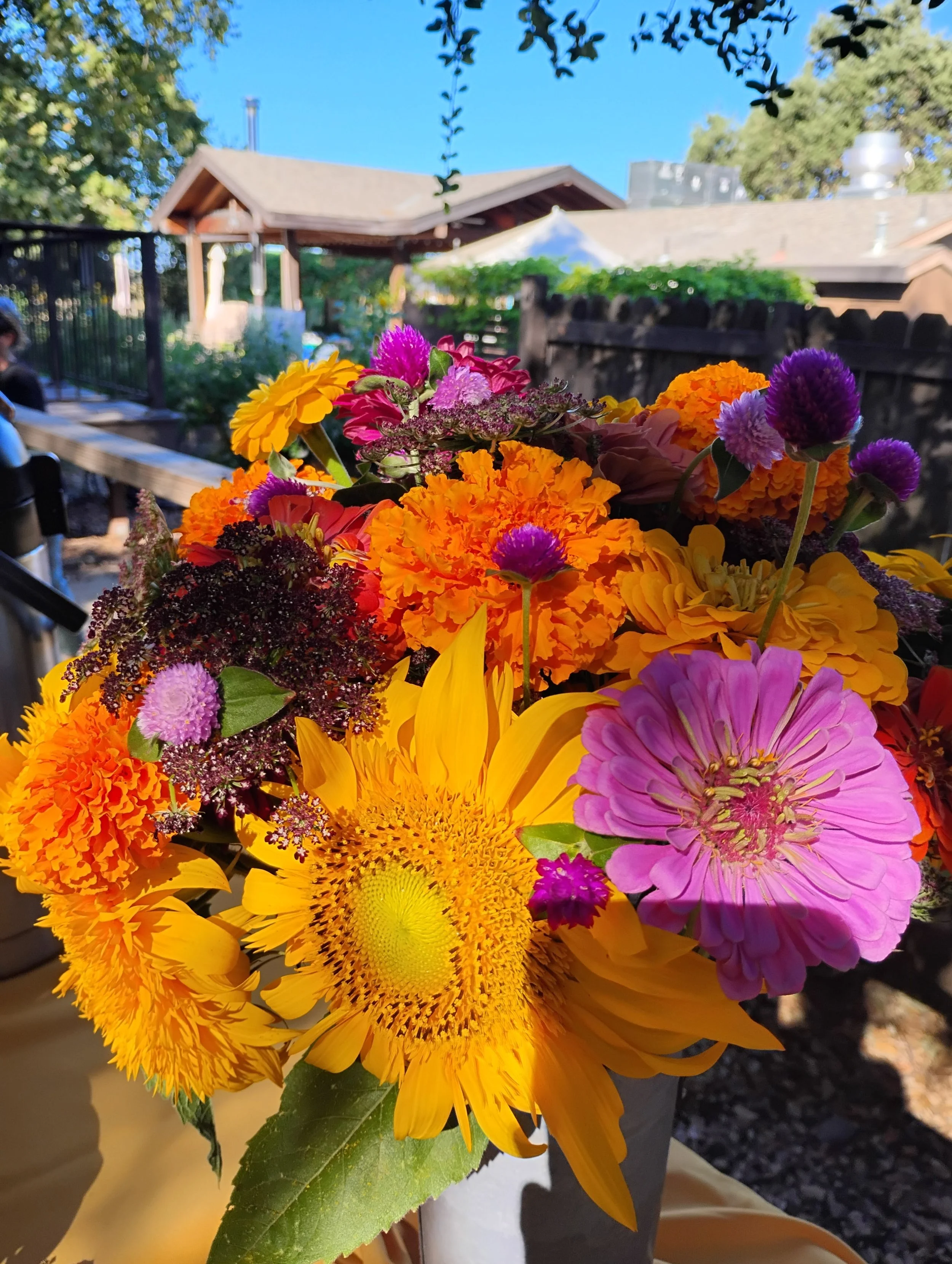
Stunningly, Soil Born grows over 30,000 heads of lettuce on just an acre of high tunnels, enough to meet 70% of the lettuce needs for a school district of 41,000 students. The educational garden is only a quarter acre. It’s simply not true that ‘good food’ requires a lot of land.
Perhaps most inspiring was the realization that Soil Born has never tried to choose between growing food and serving people. The farm produces certified-organic crops while simultaneously cultivating healthier communities, stronger relationships and future environmental stewards. Rather than viewing education and agriculture as separate missions, Soil Born treats them as inseparable.
It is a reminder that the value of a farm extends far beyond the vegetables it harvests.
Food Literacy Center
Our visit to the Food Literacy Center reinforced that same idea from another perspective.
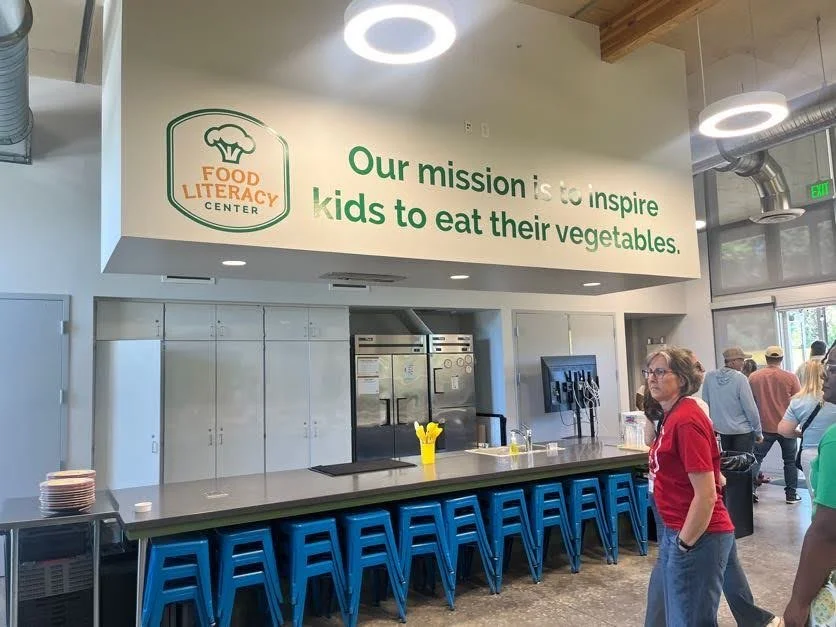
In their beautiful new school district-owned kitchen facility, students aren't simply taught about calories and nutrients; they learn by cooking, tasting and preparing fresh ingredients themselves.
The organization has steadily expanded its programming over the years, now adding opportunities for teenagers to develop practical cooking skills they can carry into adulthood. A new teaching farm out back, supported by the local school system, allows students to experience food from seed to plate.
Food literacy becomes confidence that children will carry into adulthood.
Children who know how to prepare vegetables are more likely to eat them, while young people who understand agriculture become adults who value farmers. These investments may seem small in the moment, but their impact compounds over decades.
Sacramento City Unified School District Central Kitchen
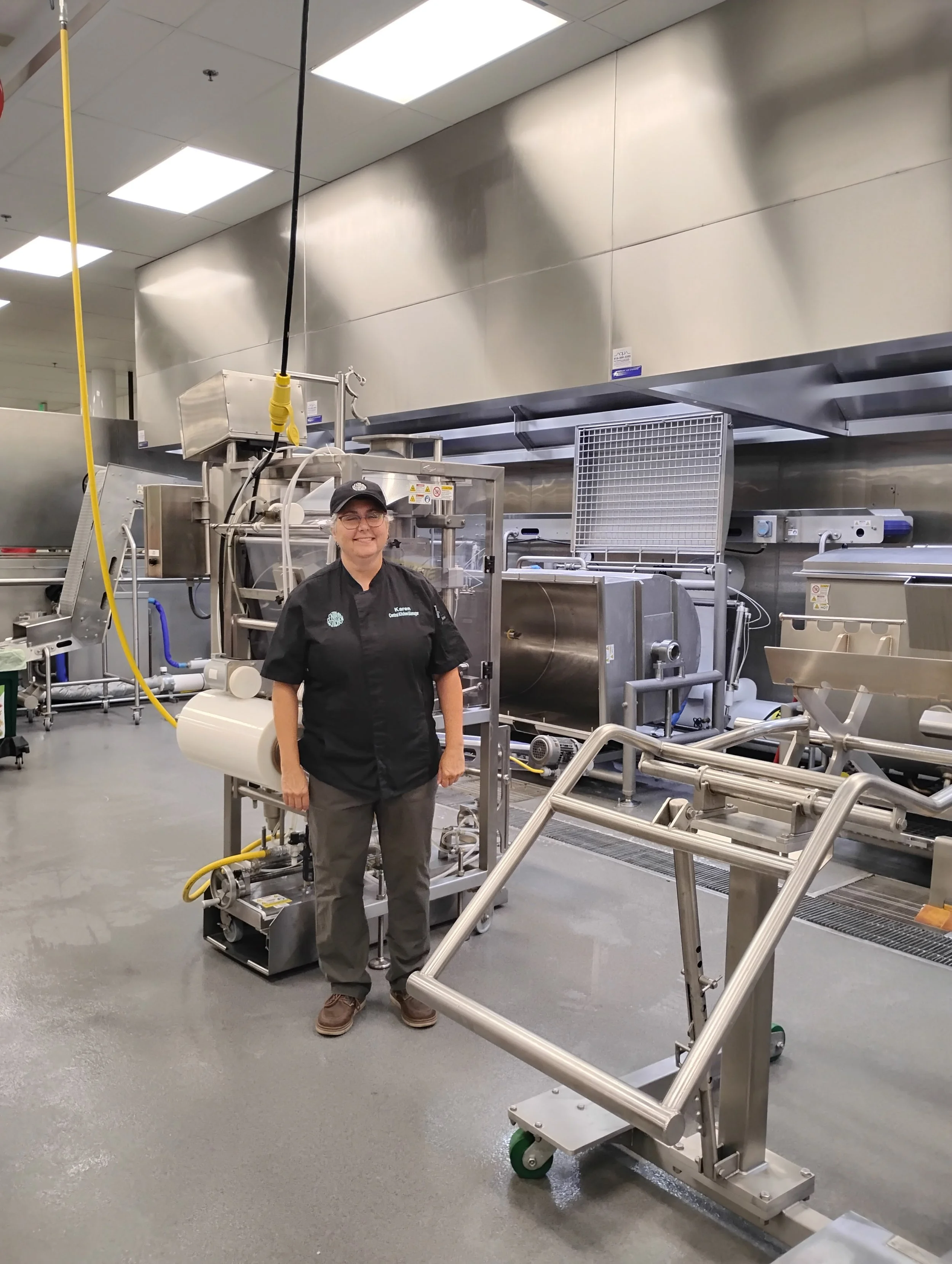
Our final stop was the logistics juggernaut of the state-of-the-art, bond-funded Central Kitchen, which prepares approximately 45,000 meals every day, 60-80% of which are made from scratch with local produce.
At first glance, it appears to be an impressive feat of industrial efficiency. Massive kettles, combination ovens and streamlined production lines hum in coordinated rhythm. Yet, what impressed me most wasn't the scale: it was the relentless commitment to continuous improvement.
Could deliveries arrive earlier in the week so lettuce doesn't spoil over the weekend?
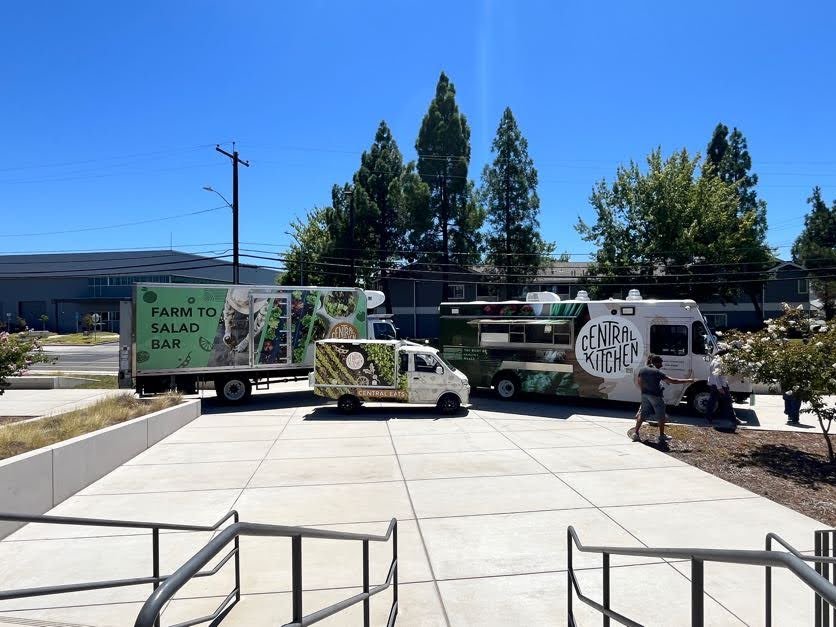
Would buying cereal directly from the manufacturer instead of through a distributor save money? Yes, nearly $0.13 per unit, compounded over thousands of cereal packages.
Would wrapping pallets differently reduce costs? Indeed, $0.01 per pallet, multiplied by 5 million pallets per year.
Could replacing canned beans with dried beans improve flavor while reducing waste and labor? Yes; it’s now the standard.
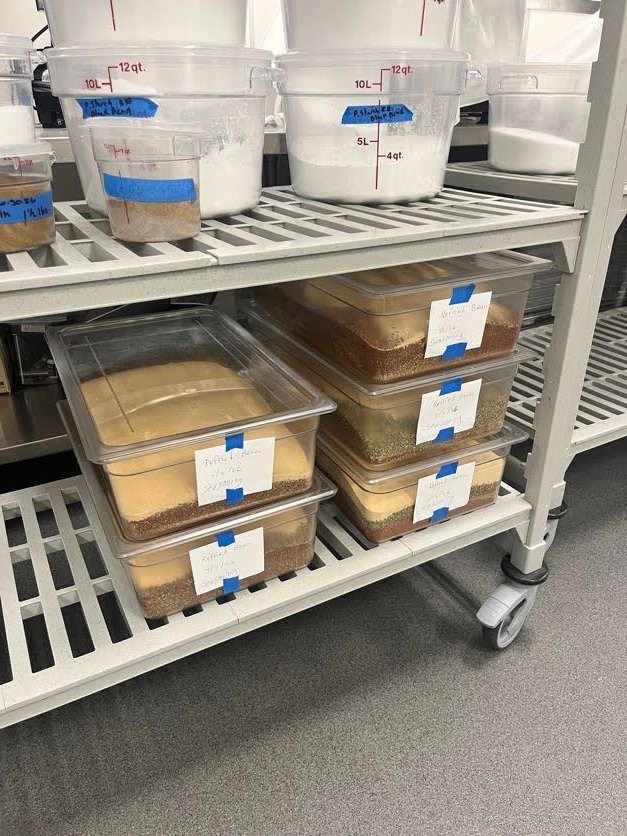
Savings measured in pennies are celebrated because, across millions of meals, pennies become hundreds of thousands of dollars that can be reinvested into better food. Firing their distributor and sourcing themselves saves $60,000 per year that can be reinvested in good, local food.
They source locally as much as possible, even buying from a half-acre backyard farm down the street. That shows anyone can participate in farm to school.
It is easy to assume that serving healthier school meals simply requires larger budgets; sometimes it just requires better systems.
What made the Central Kitchen especially remarkable was that efficiency never became the end goal. Every improvement ultimately pointed back toward the same North Star: serving children fresher, healthier meals while creating more opportunities for local farmers.
The North Star
That clarity of purpose appeared everywhere we visited.
Whether speaking with nonprofit leaders, farmers, school nutrition professionals or educators, no one seemed interested in taking credit.
Instead, they talked about collaboration. They celebrated one another's successes and viewed challenges as shared challenges, especially as they battled through the pandemic. Most importantly, they understood that building a resilient regional food system is measured in decades.
That may have been the greatest lesson Arizona brought home.
Sacramento did not become America's Farm-to-Fork Capital overnight. It became that way because countless organizations, public agencies, farmers, educators, chefs and community leaders chose to move in the same direction for many years.
Arizona is already taking important steps along that path.
Across our state, organizations are expanding farm-to-school programs, supporting local farmers, creating opportunities for food entrepreneurs, preserving Indigenous agricultural knowledge, strengthening regional supply chains and helping communities reconnect with the foods that grow best in our desert landscape. The organizations that traveled together to Sacramento represent just a small glimpse of that broader movement already underway.
We returned home with pages of notes, new partnerships and practical ideas to adapt here in Arizona.
But perhaps more importantly, we returned with renewed optimism.
Because the future of our food system is something we build together — one farmer, one school, one meal, and one relationship at a time.
Thank you to the Sprouts Foundation for organizing this inspiring trip and helping us build connections across communities!