
One way to close the racial wealth gap: Open your own business
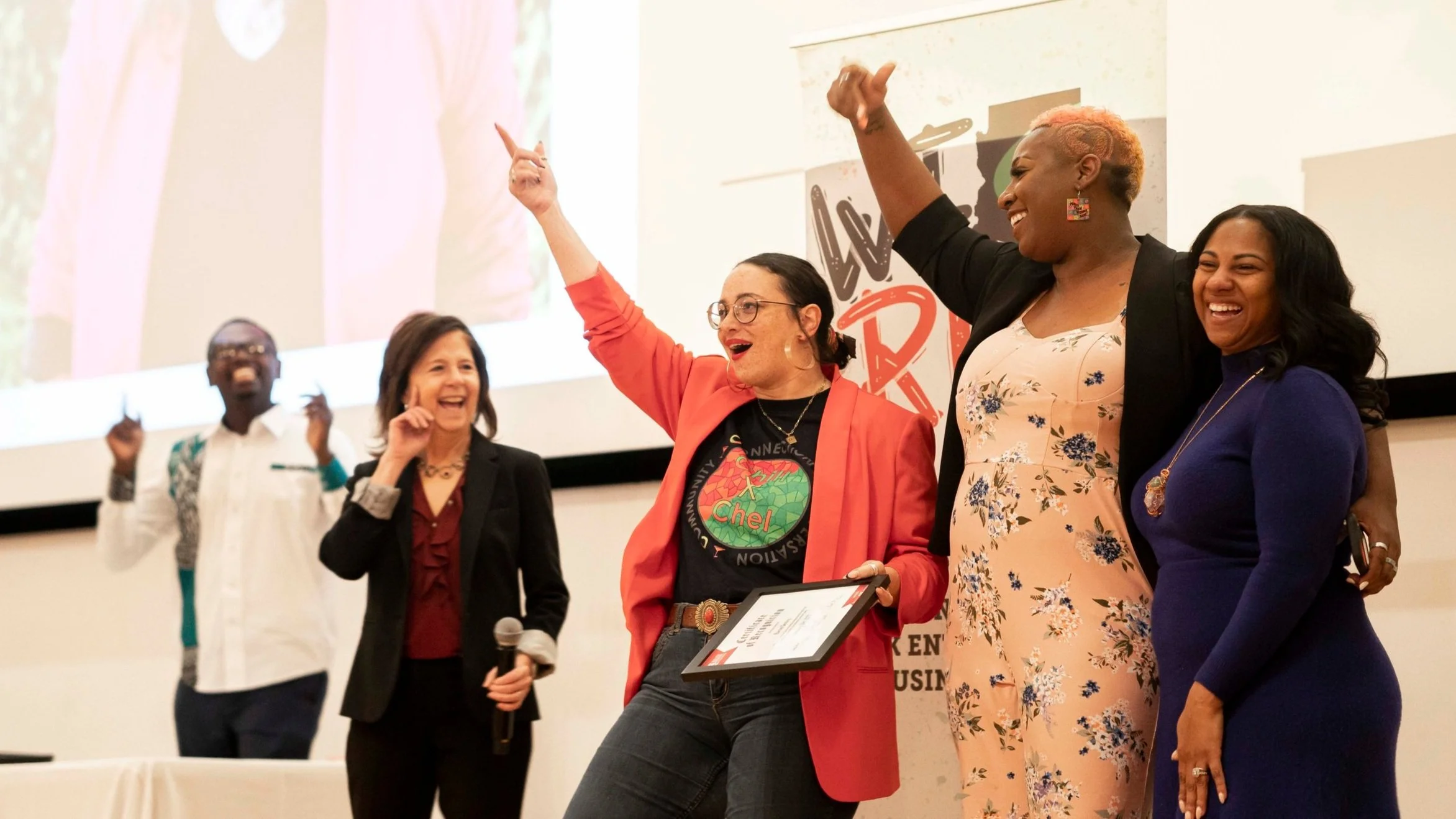
Graduates of We Rise Business Accelerator
Can opening your own business help America close the racial wealth gap and make the economy more fair?
That’s what recent reports in Forbes, CNN Business and Fortune say.
According to the Pew Research Center, white households have about three times as much wealth as Black households, in the form of savings, possessions, home ownership and business ownership. And although African-Americans represent over 14% of the U.S. population, Black entrepreneurs account for only 2.4% of all business owners in the country.
However, minority business ownership is on the rise, thanks to a surge during the pandemic, with Black-owned businesses reaching more than $141 billion in gross revenue in 2020.
Successful Black business owners are helping others thrive
We Rise, a Local First Arizona business accelerator designed exclusively for Black entrepreneurs, recognizes the challenges and opportunities facing this vital sector of the business community.
The fee-free, six-month program offers a novel, culturally-aligned support system that aims to alleviate some of the most common challenges Black business owners face.
We Rise participants receive one-on-one mentorship from successful Black businesspeople to help them learn, solve problems and grow, while creating more wealth for their families and community.
We talked to two We Rise mentors about giving back to the Black entrepreneur community:
Joi Whitley, owner of Anointed Hands Tax
Elaine Birks-Mitchell, owner of The Bra Recyclers and founder of The Undie Chest
“Why did you become a We Rise mentor?”
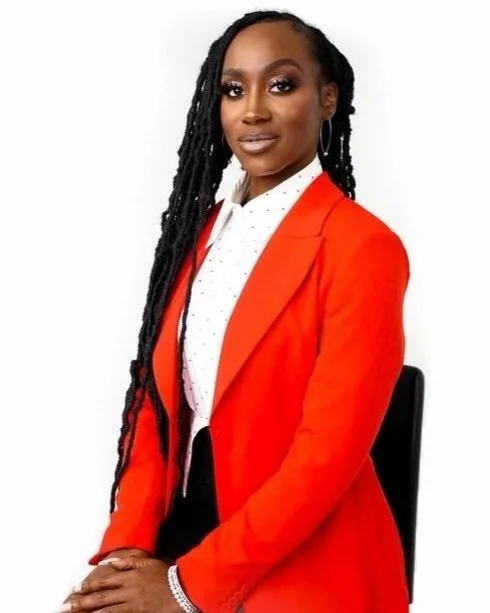
Joi Whitley
Whitley: I'm all for educating my people, Black people, because we lack the resources, and a lot of times that’s how we make mistakes. But that first (We Rise) graduation, I knew this was serious stuff. You just saw the people who were there – some really important people in the community. All the mentees were on display with their pitches. I thought it was awesome. It put it all in perspective, and I thought this was something I knew I’d be a part of.
Birks-Mitchell: I’m all about sharing knowledge. It’s just part of who I am. And as a social entrepreneur, it’s about giving back. I believe knowledge not shared goes to waste. For me, it’s a part of who I am. I want to be able to help others. It’s hard being in business. It’s not easy. It’s not throwing up a website and thinking people are going to buy, unless you’re Kim Kardashian or someone like that.
“Why is mentoring Black business owners important to you?”
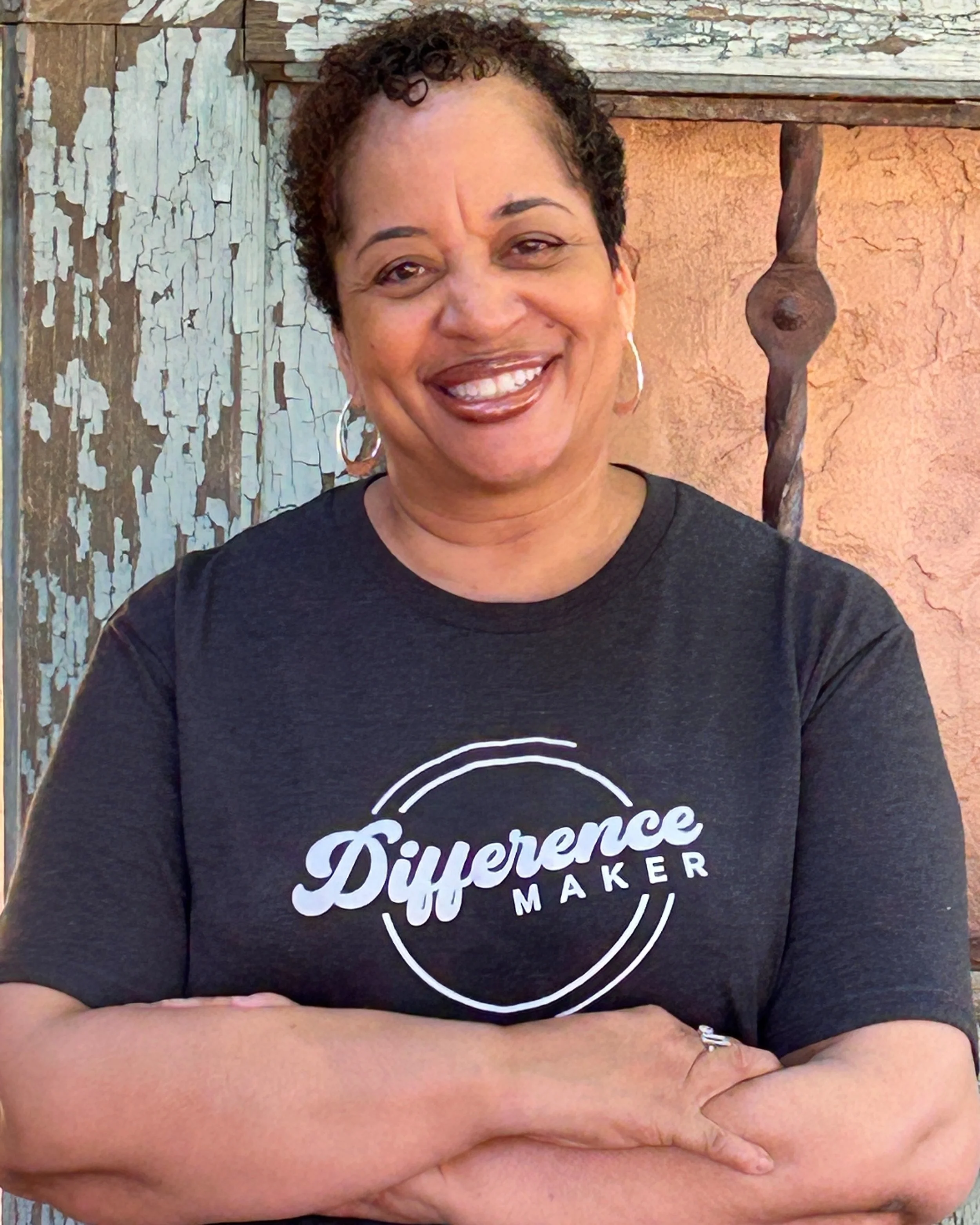
Elaine Birks-Mitchell
Whitley: This country was not set up in a way for Black people to be business owners. This country was not set up for black people to be financially literate. So, just knowing that and knowing the history, there has always been this fight for Black people to gain what is deserved – education, knowledge, independence. For me, I try to make that fight easy. That’s what I love about teaching the financial literacy piece. Black people are not taught credit and how to use credit and manipulate the system to our advantage. We are taught credit is a bad thing, so a lot of business owners start these businesses with (their) own money in (their)pockets, and we don’t understand that we don’t have to do it that way. It all goes back to education. I say, don’t call me an accountant. Call me an educator. My job is to ensure you understand.
Birks-Mitchell: I didn’t have a lot of mentors. I wish I did. Textile recycling was a really tough industry to break into. I had to learn on my own. I joined associations. I joined groups and got on a board. I had to pull information out of people. I don’t want to see other people go through stuff like that. There’s enough in this world to share. Some of the younger entrepreneurs want things quickly. It’s not a quick thing. It takes time, resources and networking.
“What has surprised you about the We Rise program?”
Whitley: The network is what proved to me to be so strong. Most of that first cohort became clients. I'm on my fourth mentee, and it’s been like that after each cohort, I get a new set of business clients. Not to mention, the second time around, the person who taught the financial piece of it wasn’t able to do it and they asked me. I came up with the curriculum and taught it, and it was well received, and I have continued teaching it.
Birks-Mitchell: It’s been interesting learning about other industries. As a business owner, you have general business knowledge, so now I’m learning about my mentee’s industry and being able to ask questions she might not have thought about. I have learned a lot in the program by seeing some of the exercises the mentees have to go through. It’s been good for me, also, and I think other Black entrepreneurs need to hear that. You will learn, too, as you go through the program and maybe question some of the things you’re doing. We should never stop learning.
“What advice would you give a business owner interested in joining We Rise as a participant or mentor?”
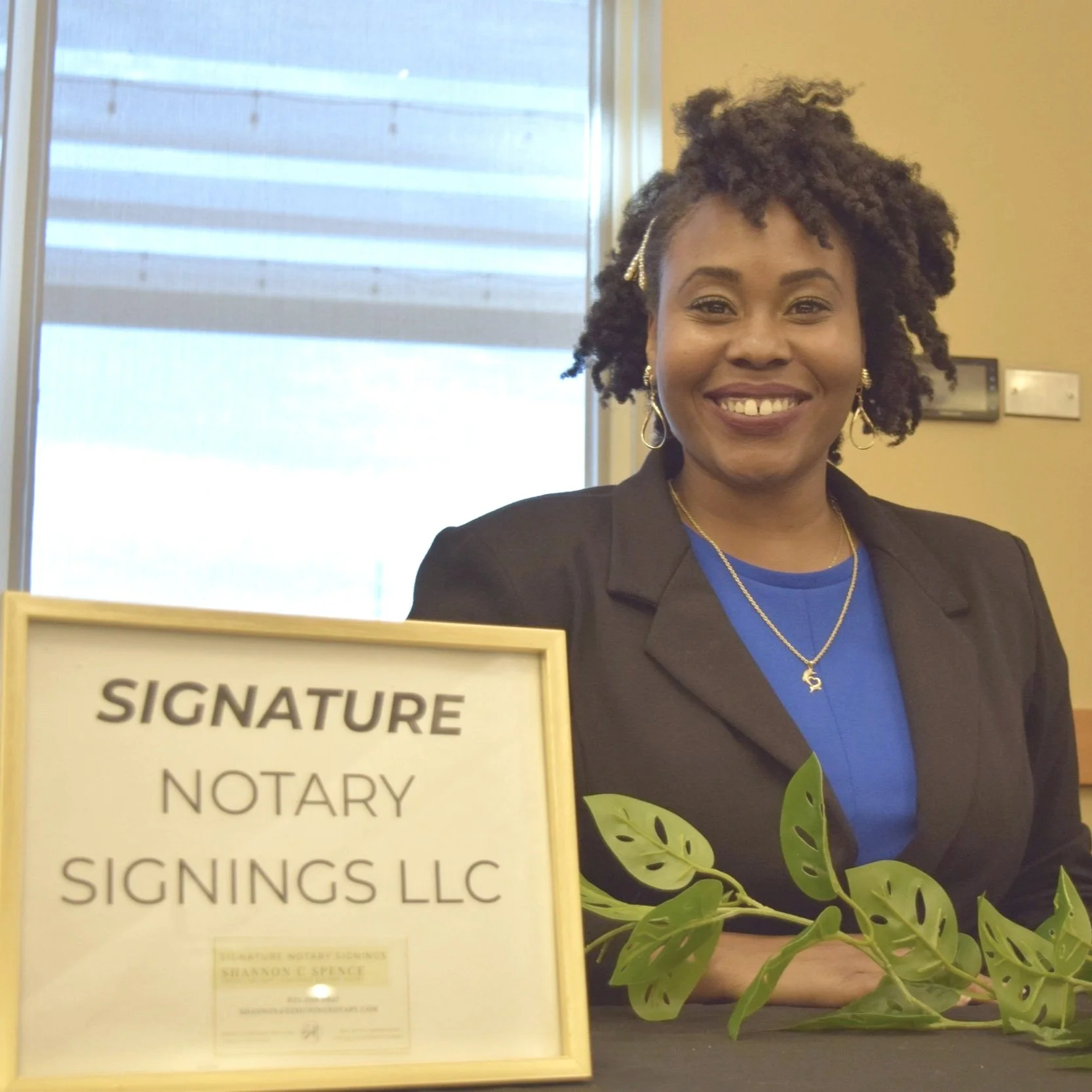
Whitley: You always have to have that servant attitude. I came in and didn’t really know what would happen. I knew I could be a resource, and from there my business has gained in return, so much that I don't even need to be open to new clients. These are the clients I want. I want small business owners who are willing to put in the work. The relationships just come full circle. We Rise isn’t an easy program. It’s a lot of commitment. But all in all, those are the people I want. It’s been an amazing journey. I’m truly committed long term to the We Rise program.
Birks-Mitchell: As entrepreneurs who have been in it for a while, we need to help others find out what they’re passionate about and how they can turn that into a successful business. I think it’s a great program that Local First is doing. We need this.
To apply to join We Rise or become a mentor, visit localfirstaz.com/we-rise. Applications for the next cohort open in May 2024.
