
This Arizona city is a mecca for Black entrepreneurs

As president of Sierra Vista’s Industrial Development Authority, Demetry Simonton has heard locals say that the community needs a “Black Wall Street,” like the one synonymous with Tulsa, Oklahoma. But, he believes it already has one.

Demetry Simon
Situated southeast of Tucson and home to Fort Huachuca Army base, Sierra Vista is steeped in Black history, going back to its connection to the famed Buffalo Soldiers in the 1890s.
That influence remains today as Sierra Vista is now home to the largest Black community per capita in the state.
“I don’t know if there’s any other place in this country, in a rural community, that has this many African Americans in positions of leadership,” Simonton said. “In real areas of influence, we have representation.”
At one point in time, Simonton said, the city was home to 40,000 Black soldiers headquartered with the Army’s elite cavalry unit known as the “Buffalo Soldiers.” Later, the base boasted about half the Black Army regiments to fight in World War II. Today, Sierra Vista is Cochise County’s hub for commercial, cultural and recreational activity.
And, tomorrow? Simonton hopes the community is anchored to emerging technology. And he’s doing what he can to make sure Sierra Vista and its Black entrepreneurs have a seat at the table when opportunities arise.

“Buffalo Soldiers” in the 1890s
“That’s the future of the economy,” Simonton said of tech. “And we need to be involved now, so in 20 years we’re not playing catch up like we always do. I think we have an opportunity to do that.”

Black servicemen in WWII
Free program helps Black business owners in Sierra Vista succeed
One of the opportunities on the horizon includes Local First Arizona’s We Rise program, a six-month business accelerator available at no cost to Black entrepreneurs anywhere in Arizona through online classes. Given Sierra Vista’s roots, We Rise has been reaching out to potential participants in the area.
The opportunity has Simonton excited.
The COVID-19 pandemic hit the business community hard as a whole, but Simonton suggested rural businesses felt the impact more, since they rely so heavily on local patrons to survive.
And while a number of entrepreneurs in the Sierra Vista community are service- or craft-oriented, Simonton knows there are also innovators in the community who have the ability to step into the tech space — with the right kind of entrepreneurial support.
He’s thinking of the people who are developing apps, building platforms and designing video games out of their homes.
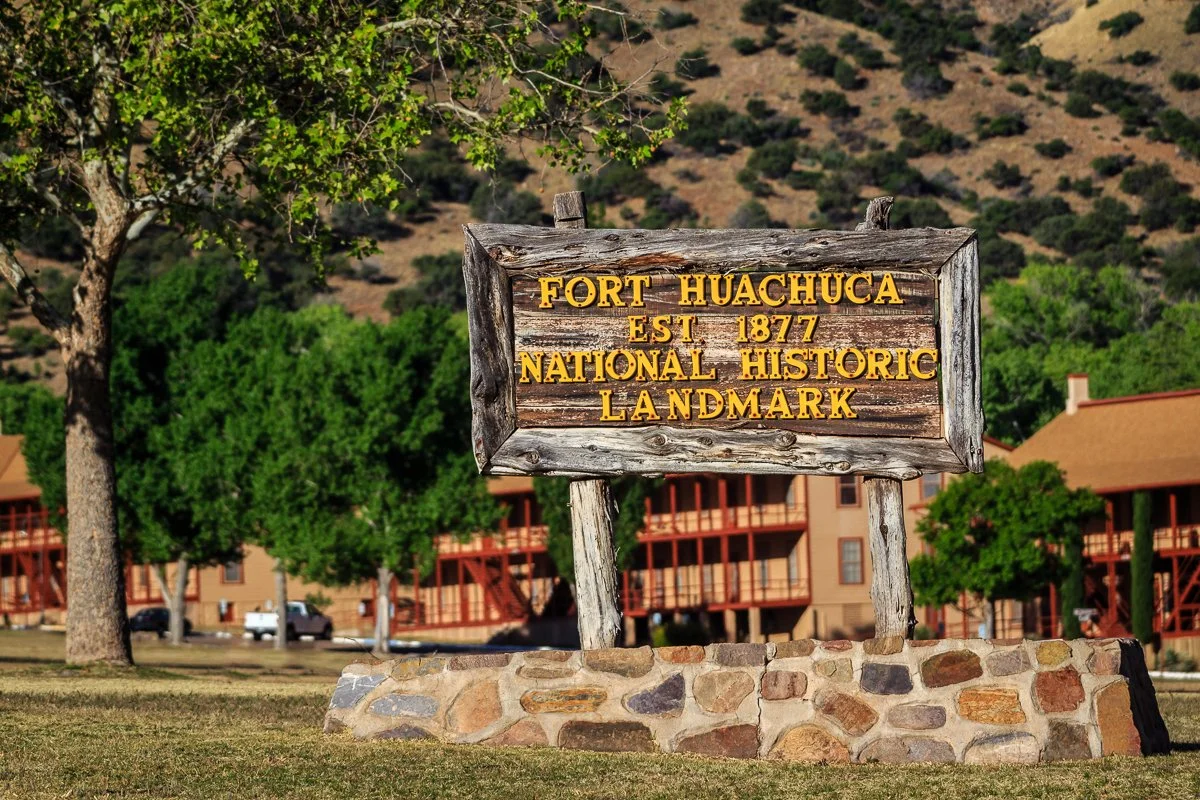
Black soldiers and their families stationed at Fort Huachuca have led to business growth in southern Arizona (photo by Todd Morris)
“So much of it is in the (early) phase. What is the business model you need to leverage to scale this?” Simonton said. “You have people who are techies and they know how to code and build it, but to go out to market and make it a company, that’s a skillset they may not have. They love tech but they’re not necessarily entrepreneurs.”
We Rise fills that gap.
Not only does the program offer valuable business advice, but it presents the learning in a way that is culturally appropriate, with successful Black business people joining together as mentors and teachers. Simonton said that’s invaluable.
“We feel scattered. To be able to come together, it’s refreshing,” Simton said. “If you look at the curriculum, there’s a portion that focuses on the way African Americans do business, because it is different from the way other cultures do it. They also highlight how to interact with other cultures as well.”
Ensuring Black entrepreneurs have access to capital
Access to capital is one of the most significant barriers entrepreneurs of any race face, but statistics have indicated that Black business owners usually launch their endeavors with less than a third of the capital used by white peers.
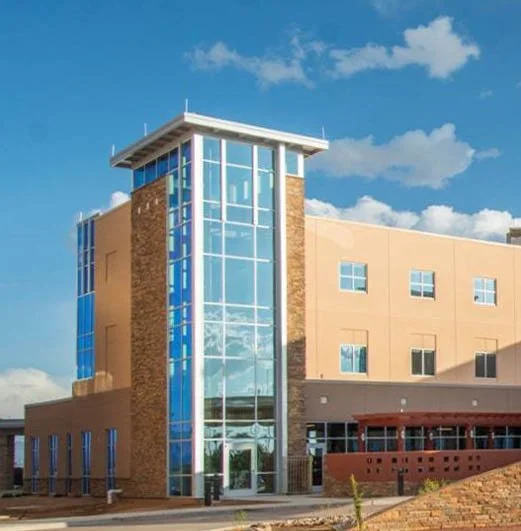
Sierra Vista has grown rapidly in recent years
To change that trend, Sierra Vista’s Industrial Development Authority is working with Small Business Administration micro-business lenders and local financing companies such as Groundswell Capital, Community Investment Corporation and Growth Partners Arizona to provide more access to capital for Sierra Vista business owners.
Simonton said breaking down ingrained cultural perspectives related to lending and debt can help.
“Culturally, we have to look at debt as a tool to grow and expand versus a sign of failure, because that’s not what it is,” Simonton said. “There’s access to capital and there’s statewide partners who are able and willing to help. It’s a matter of how do we get to these individuals and how do we prepare them?”
To learn more about joining Local First Arizona’s We Rise Business Accelerator, visit localfirstaz.com/we-rise.
