
7 Maricopa County and southern Arizona businesses find new ways to be kind to the Earth
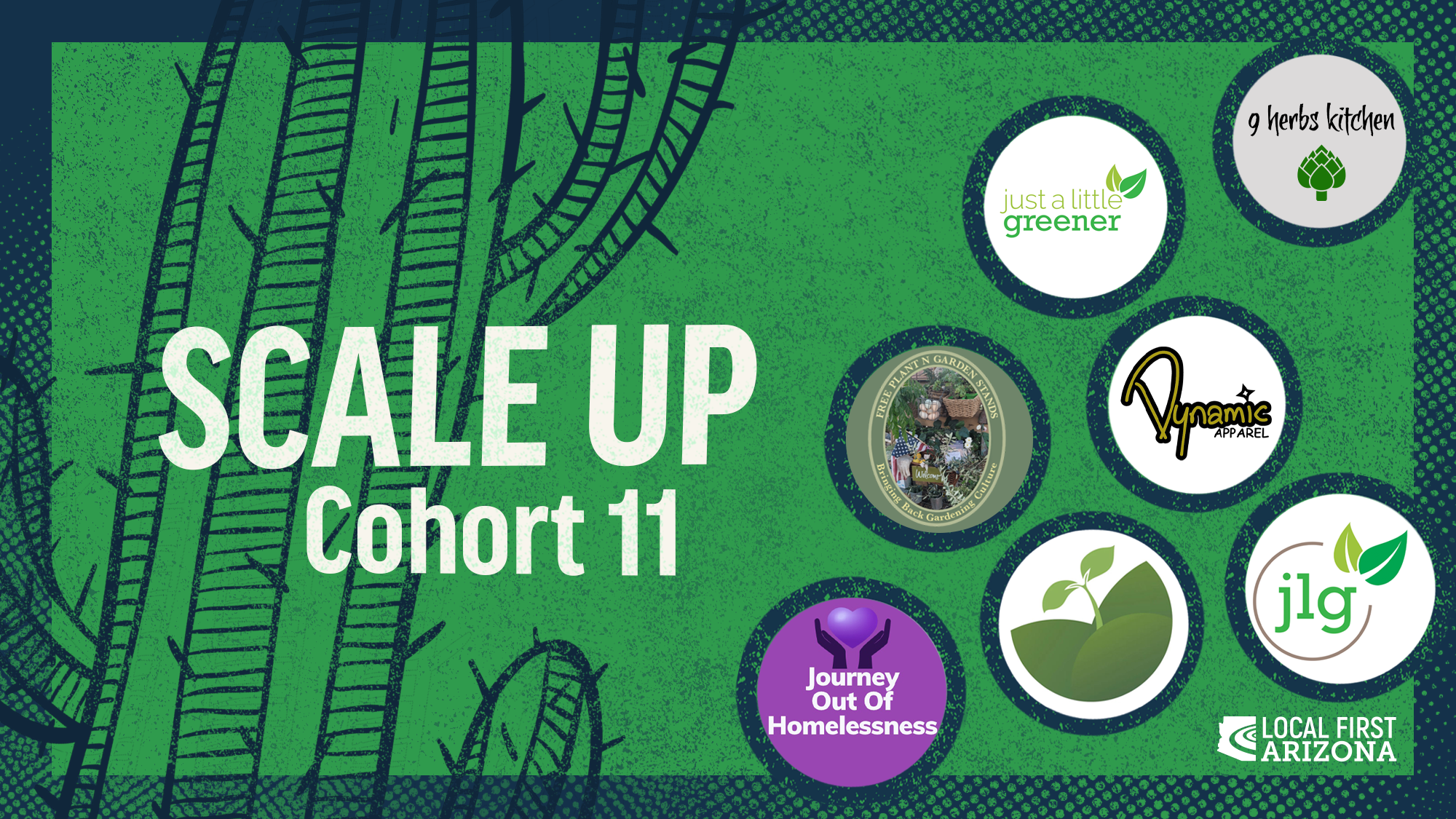
Businesses and nonprofits from Maricopa County and southern Arizona recently graduated from Local First Arizona’s Green Business Boot Camp, launching projects that will realize cost-savings and conservation of limited natural resources.
Each of the following businesses has designed a project to accomplish the following:
1. Reduces by 20% or more energy use, water use, waste and/or transportation emissions.
2. Improves the viability and integrity of the environment while increasing human and social well-being in the community.
3. Builds the business’s ability to bounce back from future shocks, such as those from supply-chain and climate-related impacts.
Is your business or nonprofit ready to launch a transformational sustainability project? Please reach out to Nick Shivka at nick@localfirstaz.com to learn more.


TigerMountain Foundation
About
The TigerMountain Foundation (TMF) plants fruits and veggies while cultivating better communities and increasing access to healthy foods. They provide workforce-development opportunities for formerly incarcerated folks to gain on-the-job skills through agri-landscaping services, the incorporation of fruits, vegetables, nuts and flowers into landscaping for residential and business clients, including to transform vacant lots. Participants emerge with the knowledge, skills and capacity to earn a living wage.
How They Scale Up
Because TigerMountain Foundation teaches people living in areas with little to no access to healthy and nutritious food to grow their own, it made sense to focus on water access. Instead of having to use tap water, TigerMountain is developing a plan to implement rainwater harvesting in their community gardens. Rainwater is far healthier for plants as it contains nitrates, which are essential nutrients for plants to thrive. And it doesn’t contain the hard minerals and salts found in Phoenix tap water. The foundation will ready the soil to absorb and retain water while constructing rain catchment systems to preserve water for future use.

Dynamic Apparel
About

Every business owner wants their brand to connect and resonate with the community. Dynamic Apparel is a screen-printing company in Phoenix that provides in-house design expertise that can bring the vision of a brand, event or marketing campaign to life. Owner and Head of Design Davis Harding started Dynamic Apparel after realizing there was a niche for rock-climbing and “swag” apparel and has since expanded his offerings, specializing in working with other local businesses and startups to launch their brands. Harding sources as many materials and supplies as possible from within Arizona, including custom t-shirts, tanks, hoodies, pants, blankets, fitness apparel, bags, hats and more.
How They Scale Up
Environmental justice, or the unfair exposure of poor communities to environmental harms, is the focus of Dynamic Apparel’s SCALE UP project. The global clothing economy is resource intensive, using huge amounts of water (up to 700 gallons to make 1 mass-produced t-shirt) and chemicals (43 million tons of chemicals used annually to dye mass-produced clothing). Harding is doing his part on the local level by using non-toxic cleaning products and designing a filtration system that will treat and recycle water while preventing any toxins and substances from entering the drain. Dynamic Apparel is acting with the intention that taking care of our environment now will ensure it is here to take care of us for generations to come.

Journey Out Of Homelessness
About
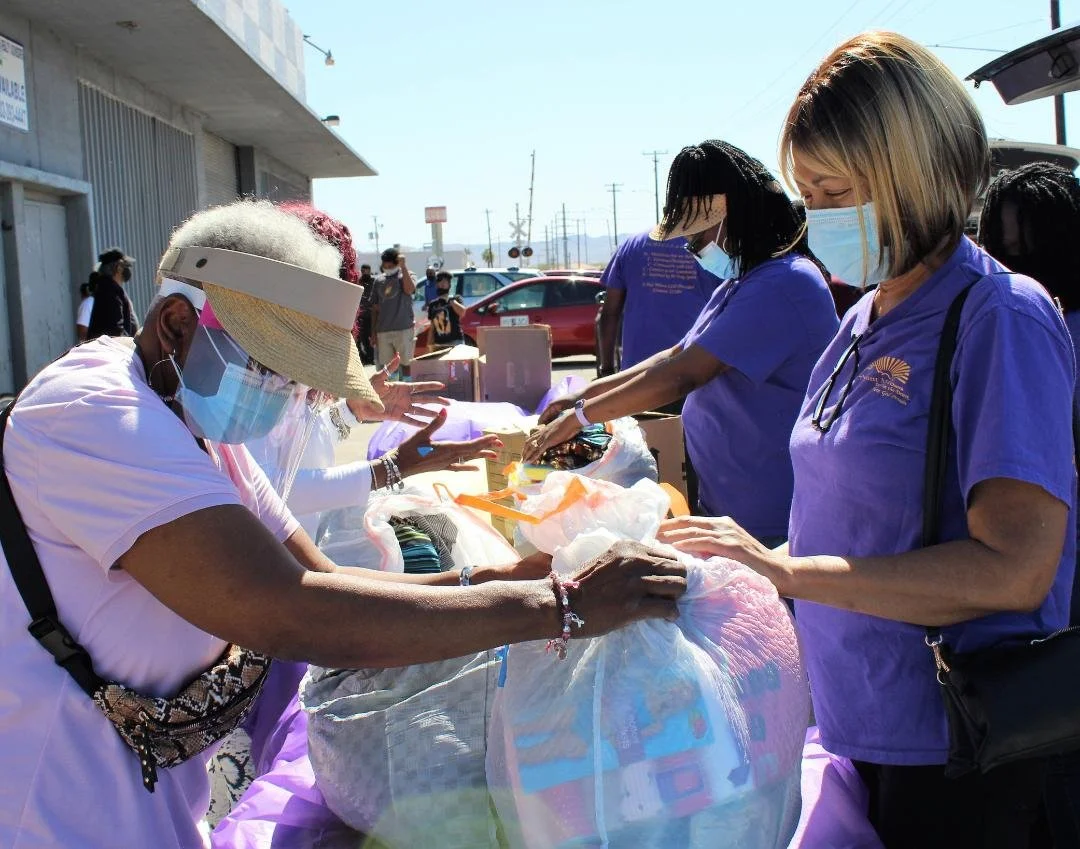
Pamela Williams started Journey Out Of Homelessness out of her own pocket in 2018 from the back of her SUV bringing people living on the streets toiletry baskets with hygiene items and $5 in cash to buy a bus pass or something to eat. The mission of bringing relief to those who need it most remains the same, with the scale of Williams’ work greatly expanded to include emergency and transitional housing, financial literacy education, counseling services,vocational training and job-seeking services to ensure housing stability when clients leave the program.
How They Scale Up
Journey Out Of Homelessness is planning a triage center in south Phoenix with sustainability features in mind to keep operating costs at a minimum while providing a safe, healthy environment for new clients awaiting care and reducing environmental impact. Sustainability features will include low-flow water fixtures, energy-efficient construction, climate-adapted trees and vegetation to provide shade, and reclaimed or natural construction materials.

Ponvel Products
About
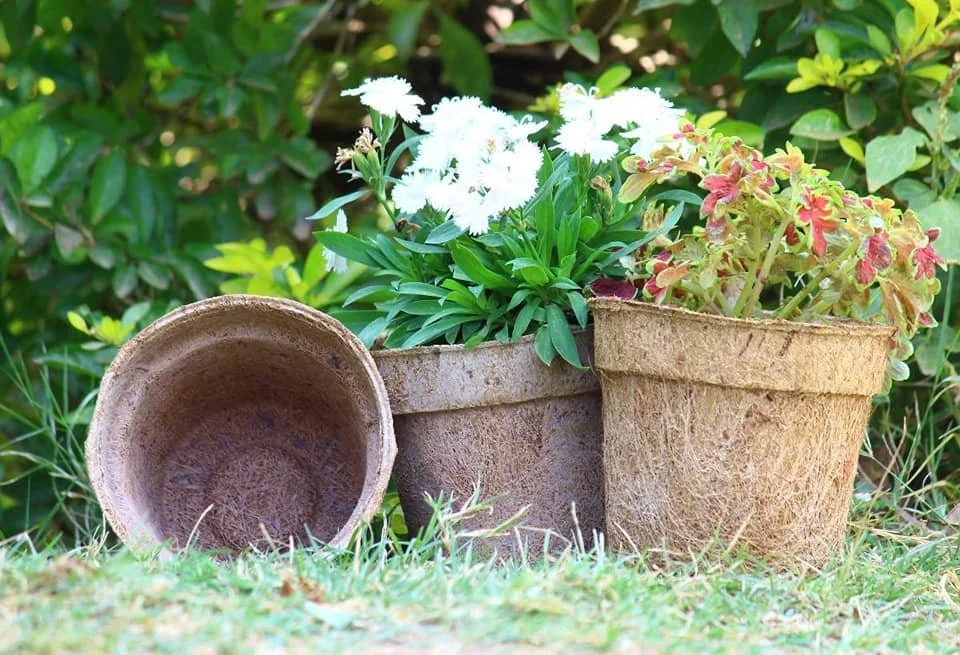
Ponvel Products co-owner Kavitha Prakash knows whether you’re a home gardener or a farmer by trade, growing plants without the use of chemicals in a harsh, desert climate can be a tough nut to crack. Luckily, there’s relief for parched seedlings by way of their cocopeat products — crushed coconut fibers that are formed into a material ideal for seed germination, retaining up to 10 times its weight in water while combating weeds and harmful fungus. Prakash brings knowledge and expertise from generations of organic farming and packs it all into cocopeat grow bags, hanging baskets, seed start discs and bulk cocopeat for hydroponic growers and local farms.
How They Scale Up
Ponvel Products is aiming to be a leader in providing organic growing mediums and materials to hydroponic growers, greenhouses, farmers and textile manufacturers in Arizona and the Southwest. Prakash is developing a profile of the biological and agricultural properties of her company’s cocopeat products, including how much water it can retain, how it affects the soil pH, how well it helps to drain the soil and its ability to take carbon out of the air, also known as carbon sequestration.

9 Herbs Kitchen
About
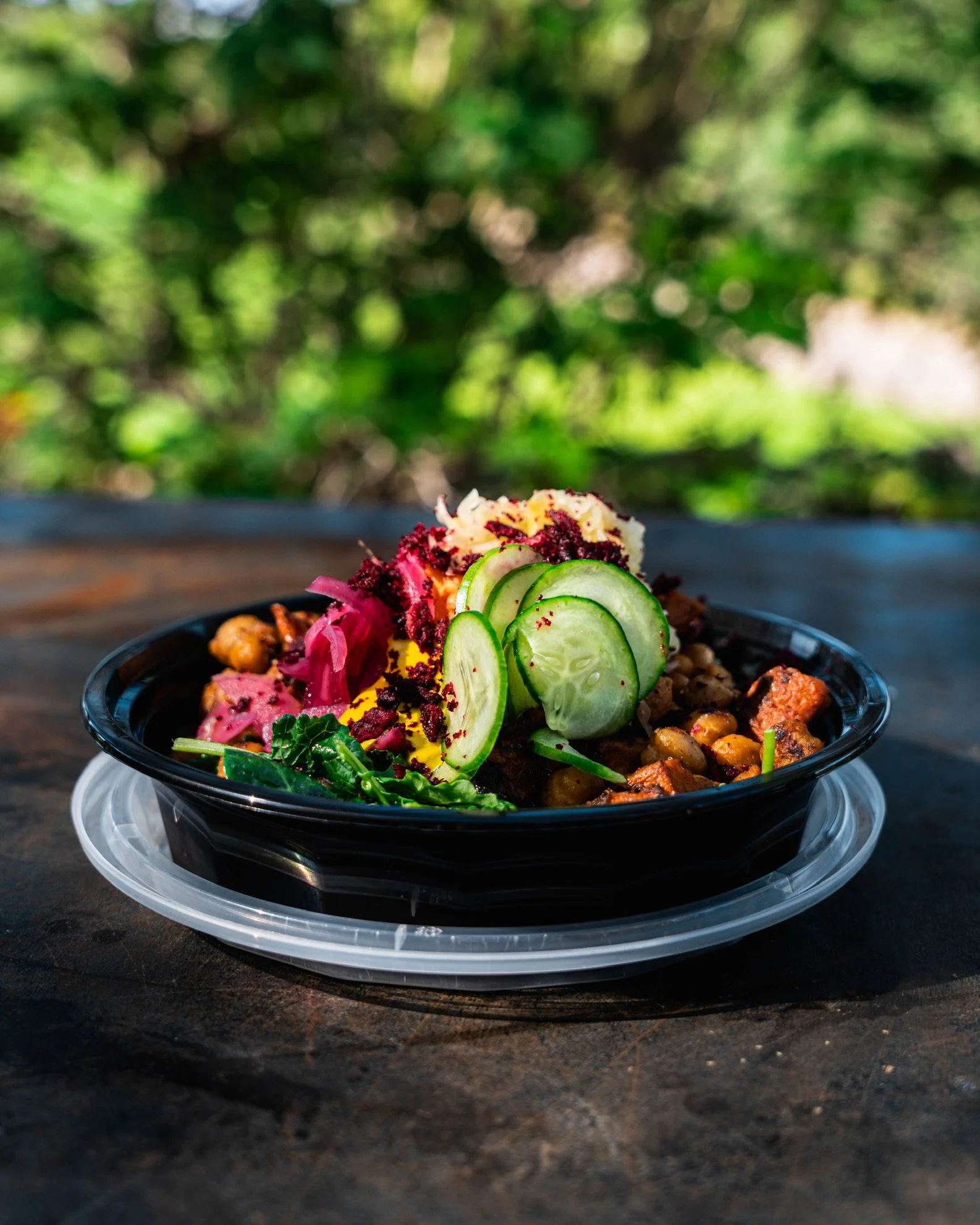
Disrupting the American food system one bowl at a time using seasonal, locally grown, and nutrient dense food is how 9 Herbs Kitchen is helping to ignite a food revolution in Phoenix. Capturing the essence of the region where he lives, chef and owner Cameron Cortese serves a sumptuous and savory Southwest Farro Bowl that includes ingredients such as ancho chile-dusted sweet potato, roasted tomatillo farro and chickpea chorizo. 9 Herbs Kitchen also caters prepared meals for individuals, events, gyms and food truck festivals, including every second Saturday at the Vegan Social market in downtown Phoenix.
How They Scale Up
Cortese’s experience and long history in the food industry has led him to believe it’s possible for everyone to have access to healthy, organically grown and nutrient-dense food. 9 Herbs Kitchen will accomplish this in three ways: 1) Teach the public, customers, policymakers and other businesses about the benefits of locally grown and nutrient-dense food to improve public health. Food sourced locally gets to your plate quicker, meaning it has more nutrition. It also means food has traveled fewer miles, meaning there is far less energy, water and emissions from transport before it gets to your plate. 2) Use local, seasonal ingredients in its own dishes to highlight local growers in Arizona and help to guarantee their livelihood. 3) Implement energy- and water-saving sustainability solutions on the 9 Herbs Kitchen trailer such as electric generators, battery backup, greywater recycling and composting.
The Garden Exchange Stands Org
About
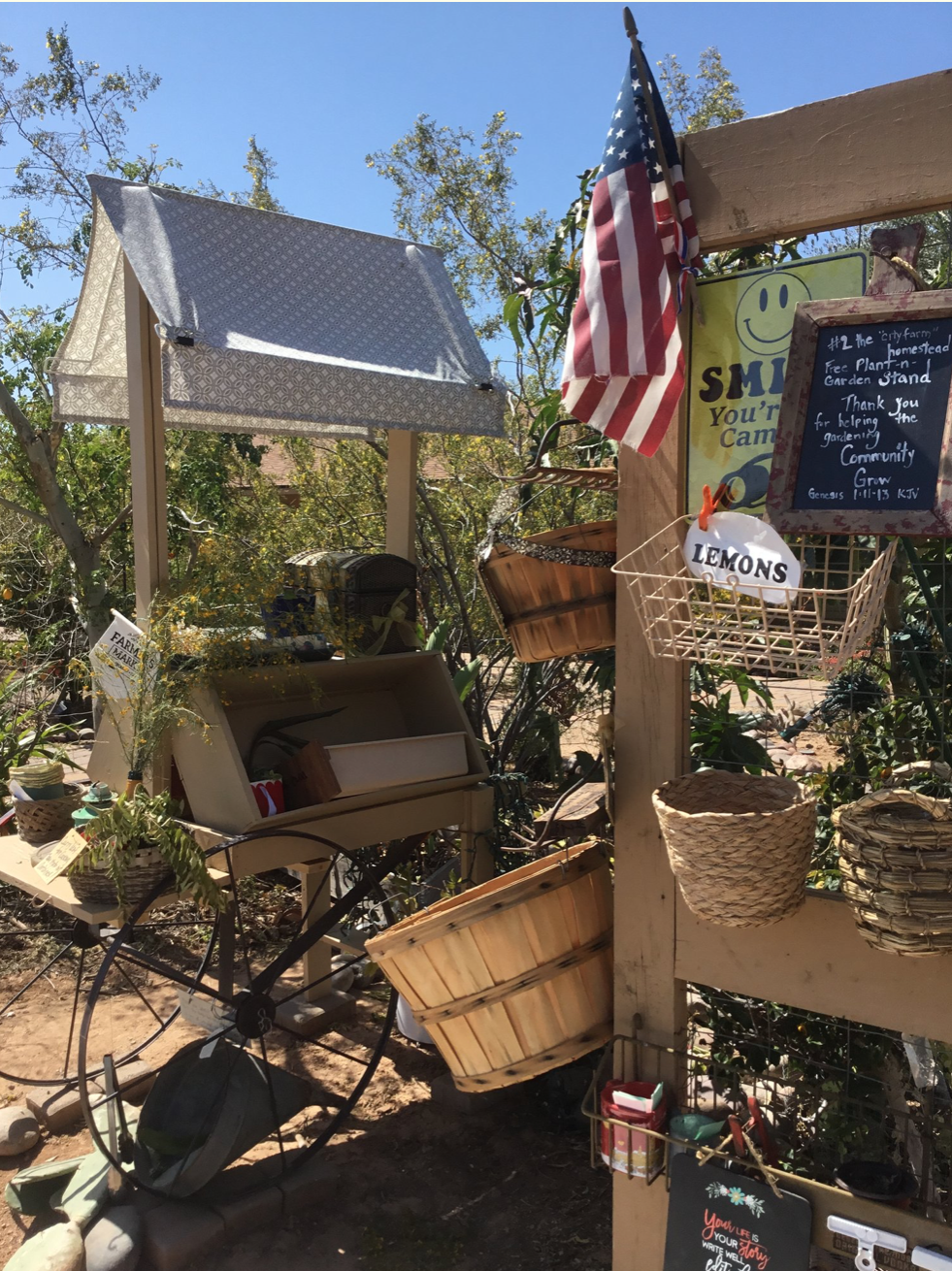
Have you ever imagined a place where you could take your excess citrus and come away with onions, some eggs, and some seeds for next year? The Garden Exchange Stands Org is a nonprofit organization helping to create a community of sharing and bounty in neighborhoods across Arizona. Those interested in hosting a garden stand are provided assistance with setting up stands, cases and shelves in their front yards with the purpose of providing a space where neighbors can share plants, cuttings, seeds and even tools.
How They Scale Up
The Garden Exchange Stands Org leader DePhane Marcelle Weaver is harnessing the reach of the nonprofit to rehabilitate Encounter Farm, a community garden in Mesa. The project includes laser-leveling the ground to ready the soil for planting, passive and active rainwater harvesting systems to reduce dependence on treated water for the garden, gardening classes and a plan to grow enough food to feed 40-50 families a week from a neighboring church.

Just A Little Greener
About
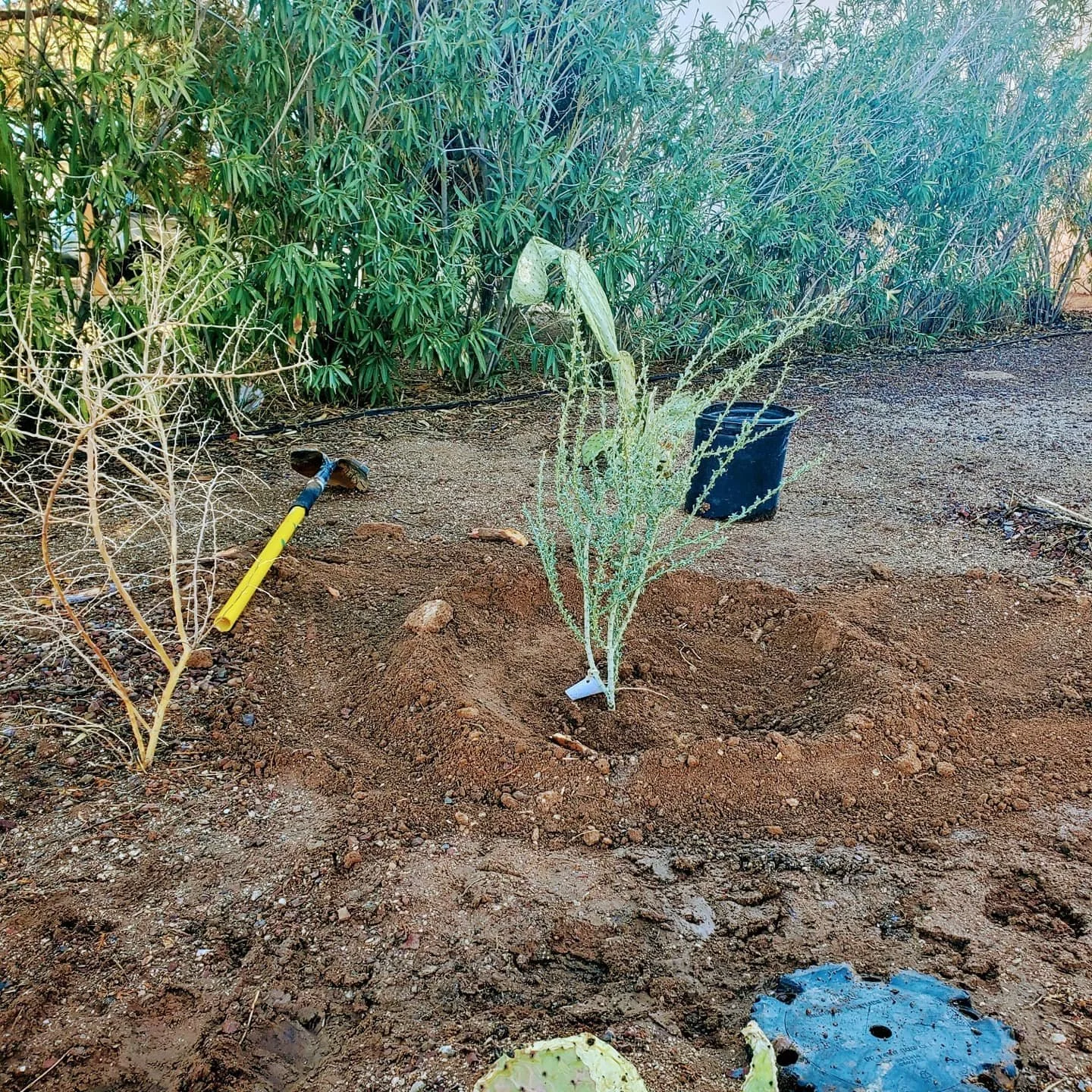
It’s becoming more apparent that learning and being immersed in green spaces provides children an understanding of how things grow, where food comes from, and the biological systems that sustain life. Just A Little Greener is a nonprofit organization in Sonoita in southern Arizona that collaborates with schools and youth organizations to develop more of green spaces in Arizona. Founder Aaron Gudenkauf knows that schools, churches and youth organizations are on restricted budgets, so he is especially keen on connecting them with as many material, plant and seed donations as possible, all while preventing these precious materials from going into the landfill.
How They Scale Up
Just A Little Greener is partnering with VINE Church in Sonoita to design a sustainable community garden space that will serve the congregation and surrounding community. Congregation members will be able to grow food in raised beds that are fed by a rainwater collection system linked to the roof of the church, which could collect nearly 36,000 gallons of rainwater a year. To protect the garden from wind and provide additional organic matter, trees will be planted around the outside edge along with the rainwater tank. The fruits and vegetables will feed church members and others in the small Sonoita community who need it.
Check out other local businesses and their projects!
Do you work for, own, or know a business or nonprofit in Arizona that is thinking about sustainability? Interested in joining us for our next cohort of SCALE UP, the Local First Arizona Green Business Bootcamp? Email nick@localfirstaz.com or check out www.localfirstaz.com/scale-up to learn more.
