
Our Favorite Local Stories From 2019
OUR FAVORITE LOCAL STORIES FROM 2019
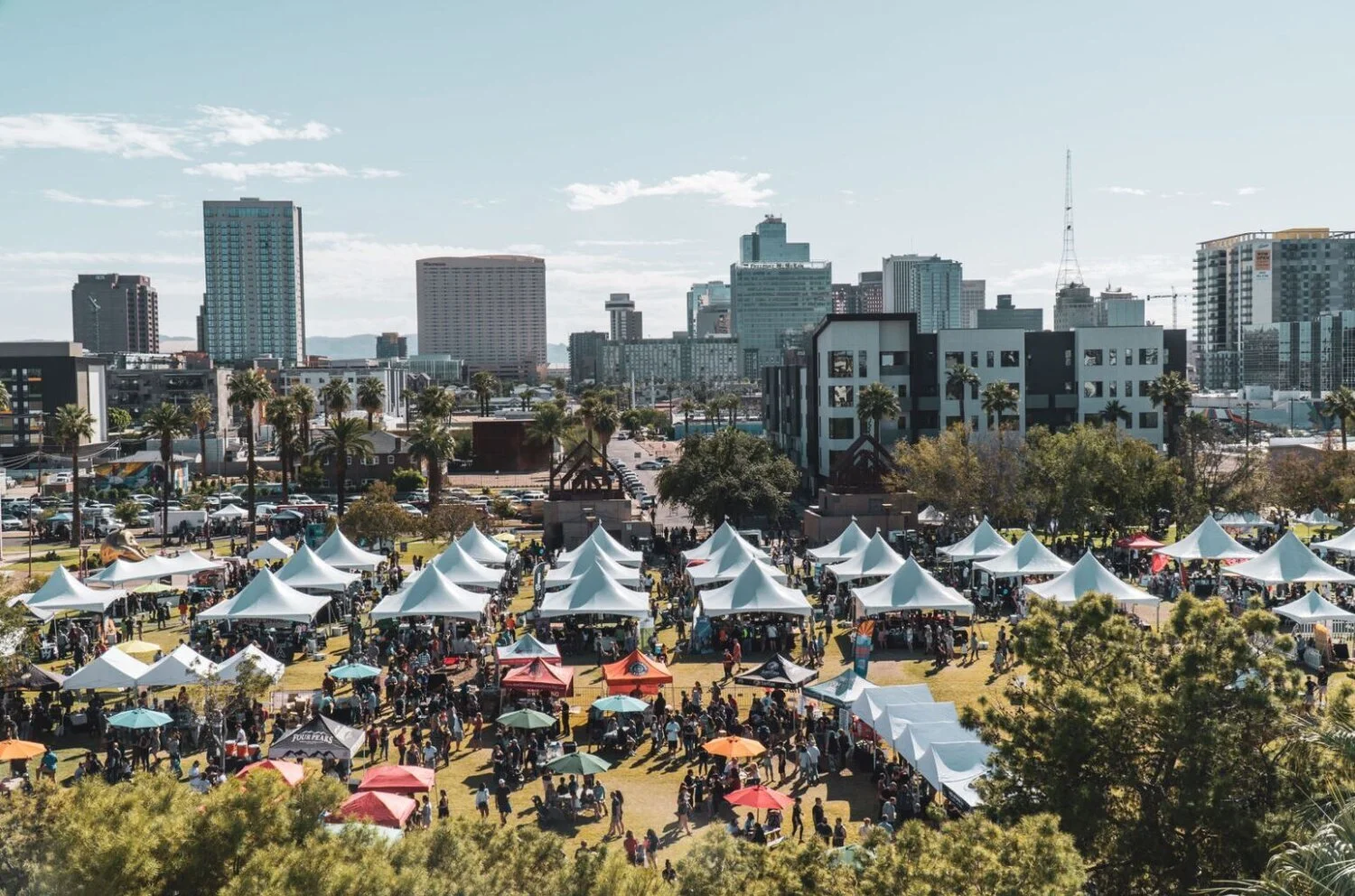
How has “localism” grown over the past decade? We could write a novel. But for now, let’s start by spotlighting some of our favorite stories from 2019. From growing the good food movement to celebrating the 15th year of the Arizona Fall Festival, one of the biggest perks of working with the people behind Arizona’s small businesses is getting to tell their story. They are the reasons we are so proud to call Arizona home. In no particular order:
TASTE THE CARIBBEAN FLAVORS OF THE ITAL TRAP
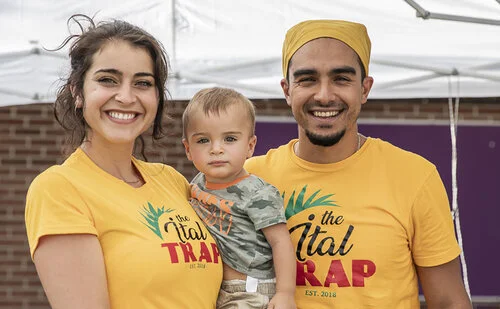
In December 2018, Julio Mendoza, a Fuerza Local graduate, launched his very own food business and named it The Ital Trap. Inspired by his family, his community, and his Caribbean heritage, Julio combines passion and flavor into each dish. The concept was cooked up right at Julio’s kitchen table through meals with family. He then relocated to our Fuerza Local Community Kitchen in Mesa where he was able to keep up with demand!
*Meet the 13th generation of Fuerza Local graduates on Jan. 29, 2020.

A RELATIVELY BRIEF HISTORY OF DEVELOPMENT IN PHOENIX
Curious as to why Phoenix looks the way it does now? What do you think we need more of? Check out how Local First Arizona For(u)m works to promote the growth of civic engagement and pride around thoughtful, sustainable, walkable, and inclusive infill development in the Phoenix metro area. We are a relatively young city but have had quite a few growth spurts in the last decade.
*Join us at our next Local Impact Series: Land Ownership and Displacement on Jan. 16, 2020 and stay involved!
BRINGING IN THE NEXT GENERATION OF ARIZONA FARMERS
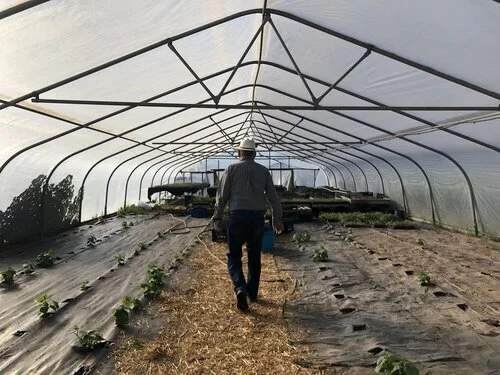
Agriculture is one of Arizona’s top industries. We are the third largest producing state for fresh market vegetables, and 4th in the country in acres of organic vegetables. Our agriculture community is also extremely diverse - Arizona is the only state in the nation in which more than half of all farmers and ranchers are American Indians.
To continue this industry going strong, we need younger farmers and ranchers to fill the shoes of those looking forward to retirement. However, there are a number of obstacles in front of new farmers, including access to training and education, access to land, student loan debt, and access to health insurance.
To stay informed on the campaign, sign up for updates here: http://bit.ly/AZFarmers2020
FUERZA LOCAL COMMUNITY KITCHEN WELCOMES TWO NEW FOOD ENTREPRENEURS
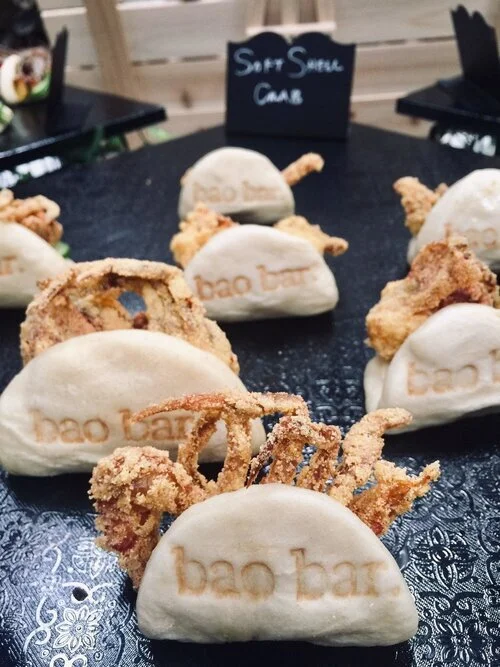
Fan of salsa? Bao? Here is who you need to track down in 2020: Bao Bar and Yuka Salsa.
You’ve probably seen Bao Bar Phoenix at the Downtown Phoenix Farmers Market. In early August of this year, Cole Warner and Isabelle Ibanez began prepping out of the Fuerza Local Community Kitchen and now everyone seems to be a(bao)ut it.
Yuka Salsa has been in the making since owner Rosario Mendivil was just 15 years old preparing salsa in his uncle’s restaurant. Green or red? She makes both!

LFA HELPS GENERATE $24,000 IN REVENUE TO LOCAL BISBEE BUSINESSES
In 2018, to encourage people to shop local for the holidays, Local First Arizona partnered with the Cochise County Tourism Council and Western Bank to bring the Holiday Shopping Passport to Bisbee, AZ. The passport consisted of 24 local businesses that you could purchase from for the holidays. Once you made a purchase from one of the businesses you received a sticker with the amount of your purchase and we’re entered to win some fun prizes.
In 2019, we found out that this campaign had 138 passports collected and generated $23,787.07 in revenue to local businesses! This means that almost $24,000 went back into the local community of Bisbee instead of to a corporation out of the state, Amazon, or something similar.
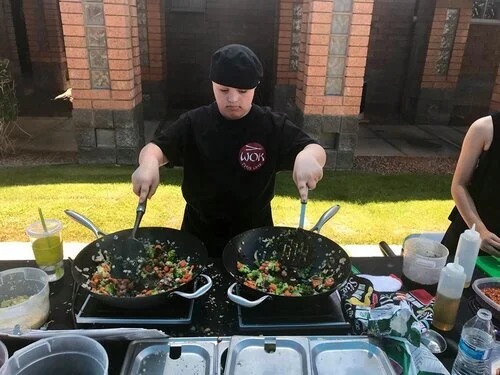
FOOD TRUCK WITH PURPOSE: WOK THIS WAY
The food truck craze rose to popularity almost a decade ago in the metro Phoenix area, and thankfully is still going strong. Within that decade, we’ve seen many business owners paying more attention to both their environmental impact and social impact of their operations. In 2019 we got to interview Kristine Mill, owner of Wok This Way food truck, to learn more about how she operates with people and planet in mind.
Wok This Way has a strong social impact mission inspired by Mill’s nephew Jake, who was born with Down Syndrome. Today they work with Down Syndrome Network, Sharing Down Syndrome, Metro Tech Culinary Program and other agencies to provide cooking instruction classes, training, and hiring of special needs individuals for the truck.
FOOD TRUCK WITH PURPOSE: WOK THIS WAY
The food truck craze rose to popularity almost a decade ago in the metro Phoenix area, and thankfully is still going strong. Within that decade, we’ve seen many business owners paying more attention to both their environmental impact and social impact of their operations. In 2019 we got to interview Kristine Mill, owner of Wok This Way food truck, to learn more about how she operates with people and planet in mind.
Wok This Way has a strong social impact mission inspired by Mill’s nephew Jake, who was born with Down Syndrome. Today they work with Down Syndrome Network, Sharing Down Syndrome, Metro Tech Culinary Program and other agencies to provide cooking instruction classes, training, and hiring of special needs individuals for the truck.
TALENT PIPELINE MANAGEMENT (TPM): ADDRESSING THE RURAL WORKFORCE CRISIS
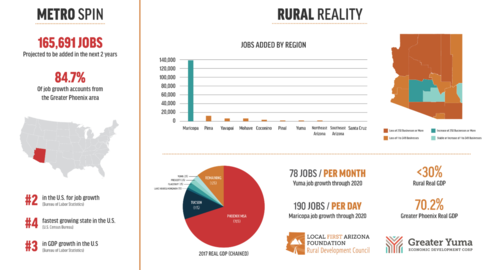
According to federal statistics, Arizona’s job growth rates are flourishing - ranking our state as having the fourth fastest growing economy in the country. Yet, in taking a closer look at the numbers, we realize the data gathered by the Bureau of Labor Statistics and the US Census Bureau is dangerously skewed by the growth of metro Maricopa County; overlooking the dire reality of rural Arizona.
Diving deeper into the state of workforce development in our rural communities, we learn that a projected tens of thousands of hospitality, construction, and healthcare jobs remain open in each county. On one hand, there simply are not enough people to meet the demands of the growing needs. On the other, those being trained for the positions lack the necessary skills industry employers require. In fact, 98% of colleges nation-wide believe they are producing a skilled workforce, while only 11% of business leaders agree. Want to learn more about our work in #RuralAZ?
Stay tuned for updates and consider attending the 2020 Annual Rural Policy Forum taking place in Sahuarita, AZ, on August 5-7, 2020.