
How a Navajo therapist is destigmatizing mental health
As a woman who grew up on the Navajo reservation, Jordanna Saunders has a unique understanding of the emotional, economic and health-related challenges many Native Americans encounter.
It’s part of the reason her Goodyear-based practice, Trauma Recovery Services of Arizona, is an attractive option for Indigenous patients in need of mental health care.
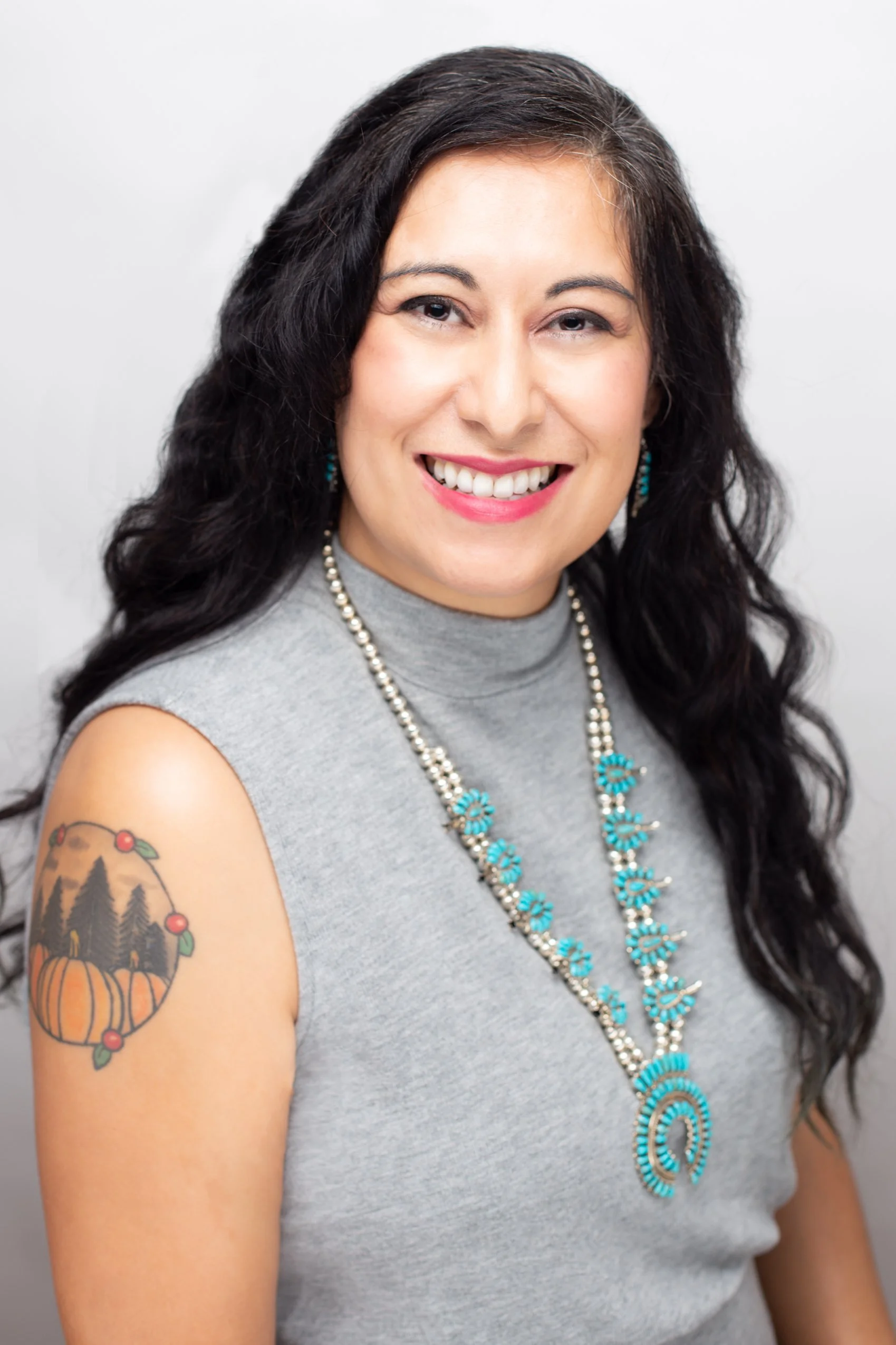
Jordanna Saunders
“(Native American patients) tend to be more comfortable with us, because people who aren’t from those populations have a difficult time relating to their lived experiences,” said Saunders, a licensed professional counselor.
Indigenous Americans often have difficulty accessing health care because of a lack of providers, lower quality and other barriers, such as predatory sober living homes, Saunders said. As a result, the community suffers from higher suicide rates and other negative impacts.
“There are a lot of systemic issues,” Saunders said. “The challenges they face are magnified.”
Healing from colonialism, genocide and more
The impact of adverse childhood experiences, known as ACEs, can add up over time. Data indicates that about 60% of Americans experience at least one ACE while growing up.
However, Native American populations experience ACEs at a disproportionately higher rate, leading to greater instances of post-traumatic stress, depression and substance abuse, according to the National Indian Health Board.

A Native American boarding school (source: Library of Congress)
ACEs experienced by Native American populations can be associated with generations of trauma related to colonialism, genocide and forced loss of cultural practices, according to the National Institutes of Health. White-run boarding schools in the 1800s and 1900s, such as the Phoenix Indian School, forced Native children to leave their families, cut their hair, give up traditional clothing, take English names, stop speaking their Native languages, practice Christianity and more.
“These are long-standing issues that haven’t been addressed appropriately or timely,” Saunders said. “What might start as a stressor then turns into depression and anxiety, and that turns into unemployment and then post-traumatic stress disorder. It’s a system of struggle. It looks scary for non-trauma informed practitioners because we’re really talking about complex trauma versus a single-incident trauma.”
Keeping therapy affordable to help more people
What was once a solo practice for Saunders has now grown into a healing center with eight providers well-versed in trauma-informed counseling. All but one is trained in EMDR therapy, a proven method that helps patients process memories through eye movement.

“My practice came out of the demand,” Saunders said.
The COVID-19 pandemic prompted Saunders to begin offering telehealth services, as the practice was beginning to experience waitlists.
Saunders has sought to hold tight to her personal commitment to run a low-cost or no-cost clinic, understanding from experience that access to healthcare can be an affordability issue.
Every provider at Trauma Recovery Services of Arizona reserves 20% of their caseload for patients in need of low- or no-cost care.
“I grew up really poor. I got where I got knowing a lot of people can’t get there,” she said. “It’s the right thing to do. It’s part of our ethics.”
Local First Arizona helps draw media attention
Spreading the word about her commitment to affordability, in addition to her practice’s specialized services, was made easier after becoming a Local First Arizona member.
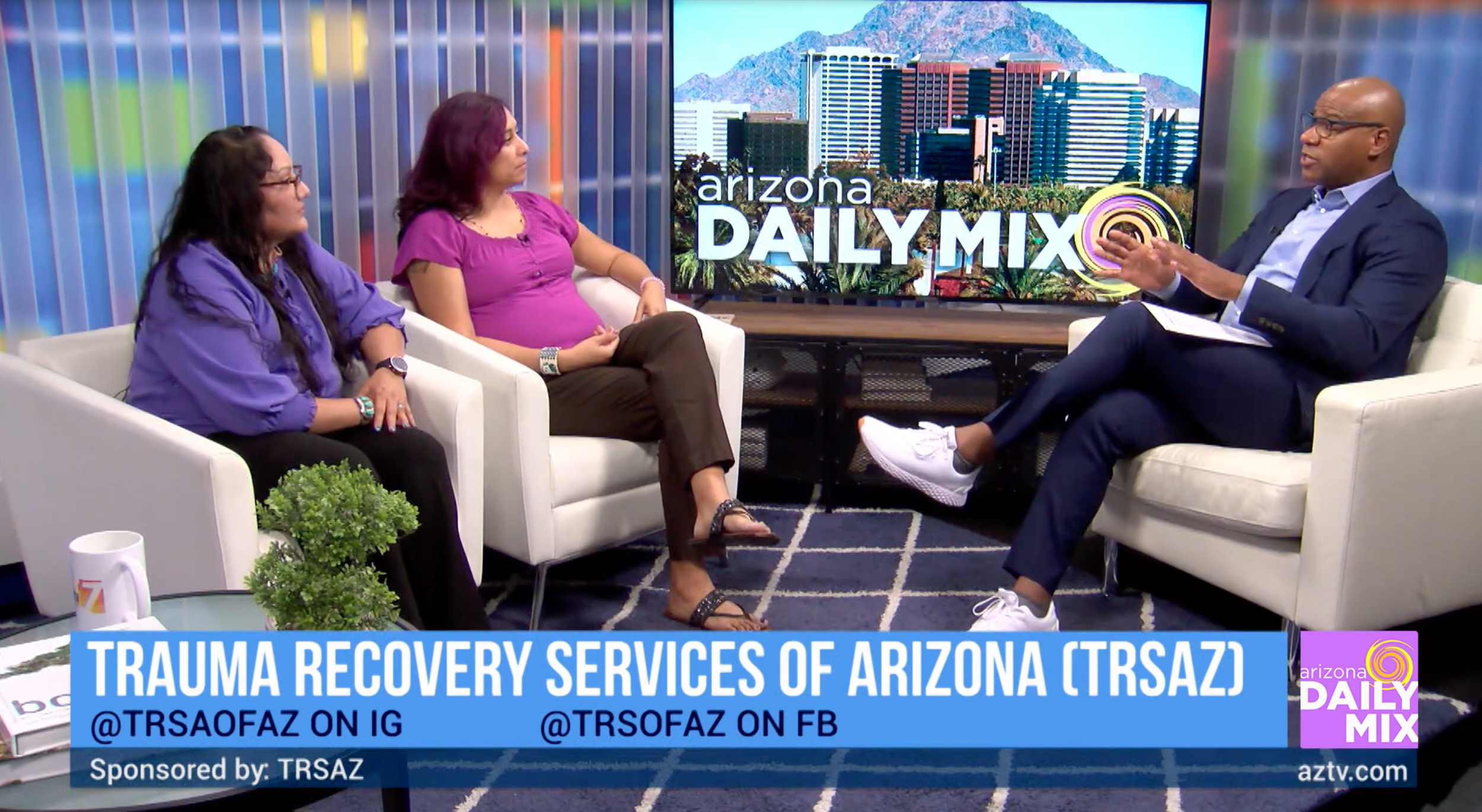
Saunders joined during Indie Week, a yearly nationwide celebration of independent businesses, and the networking paid off quickly with a television segment.
“They invited us back. And then they invited us back again,” Saunders said of the TV station. “That was because of Local First. We never would have thought to market that way. It has given us the ability to destigmatize mental health.”
Reducing stigma, witnessing recovery
While talking about mental health challenges and treatments available helps to reduce the stigma of mental illness, so too does progress. Witnessing recovery, Saunders said, is what inspires her about the work.
“They’re gathering momentum,” she said of her patients. “Let’s accept that these things are challenges and it’s a marathon, not a sprint. Them feeling better and functioning better, that’s what keeps me doing it — seeing them succeed.”
Expanding to meet the need

In the months ahead, Saunders said her practice plans to expand into New Mexico and hopes to find a sponsor to offer more low-cost/no-cost appointments.
She also plans continue working on a pilot program to provide mental health care to Goodyear residents. The city is offering to up 10 free appointments to as many as 300 Goodyear residents who are uninsured, underinsured or can’t afford to pay.
Saunders said she’ll continue to embrace the valuable connections made through Local First.
“Being part of an organization that demonstrates their value for businesses is really important,” she said. “It turned into something that was really valuable for us. The connections and the relationships. You get exposure to things you don’t even know are there.”
To learn more about Trauma Recovery Services of Arizona, visit www.trsofaz.com.
To become a Local First Arizona member, visit localfirstaz.com/coalition-member.
