This Black History Month, Honor Arizona’s Black Business Legacy

Mrs. White’s Golden Rule Café, founded in 1964
Arizona’s Black business community has always been a force — building opportunity, culture and stability in the face of systemic barriers. Long before “buy local” became a movement, Black entrepreneurs were creating essential services and gathering spaces that anchored entire communities.
Black History Month is an opportunity to look at the achievements of Arizona’s Black business and community leaders, and recognize how the foundations they set continue to shape Arizona’s local economy today. It’s also a reminder of why supporting Black-owned businesses remains critical to a strong, inclusive future.
Building Community Through Business
Across Arizona, Black-owned businesses have served as far more than storefronts. They’ve been places to gather, organize, celebrate and support one another.
In Phoenix, Eastlake Park became a center for community life and civil rights organizing. Businesses like Mrs. White’s Golden Rule Café fed generations while building multigenerational entrepreneurship. Cultural institutions such as Black Theatre Troupe and modern marketplaces like Archwood Exchange show how that legacy continues to evolve.
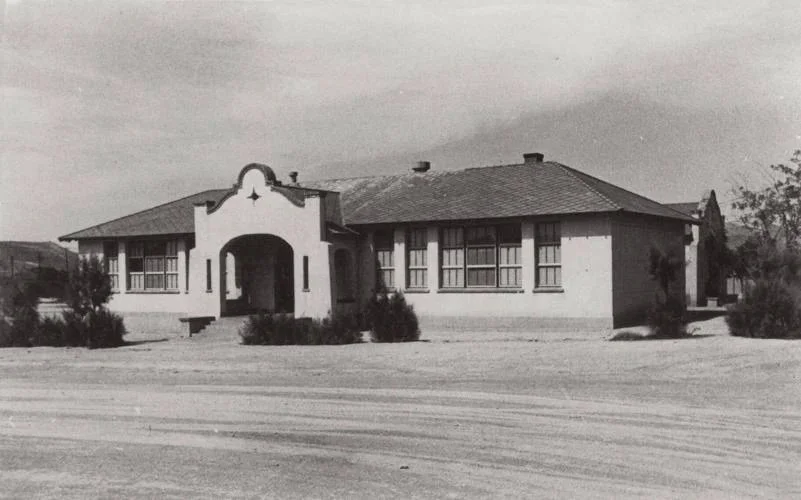
Tucson’s Dunbar Pavillion, originally established as the Dunbar School in 1913, was Tucson's segregated school for African American students until desegregation in 1951. Today, the Pavilion serves as a hub for community engagement, arts and education.
In Tucson, places like Dunbar Pavilion, Al’s Barber Shop and the historic South Park neighborhood reflect how Black entrepreneurs created stability and connection in a city that often denied access to opportunity. Today, Black-led organizations continue that tradition — creating platforms that connect community, culture and commerce. Organizations like: Blax Friday, which promotes Black-owned businesses year-round through a digital directory, mobile app and community events; The African American Museum of Southern Arizona, playing a vital role in preserving and sharing Black history by documenting, digitizing and safeguarding stories, images and artifacts that reflect regional African American life and culture; and the Dunbar Coalition — which has revitalized the former home of the segregated Dunbar School for classrooms and community spaces and is planning a future business empowerment center — all show how Black-led institutions continue to invest in Southern Arizona’s long-term community strength and economic opportunity.
Across urban and rural Arizona alike, Black-owned salons, barbershops, inns, funeral homes and service businesses filled gaps when few others would — becoming essential community infrastructure in the process.
The leaders who shaped Arizona’s Black business history challenged barriers while building opportunity. Entrepreneurs like Elizabeth White who founded Mrs. White’s Golden Rule Cafe, William and Annie Neal who opened the Mountain Inn resort in Oracle in 1895, and business and civil rights leaders like Lincoln Ragsdale Sr. and Jr. didn’t just create businesses — they opened doors for generations that followed.
Their stories remind us that Black entrepreneurship in Arizona has always been rooted in resilience, creativity and determination.
Arizona’s Black History — Many Voices, Many Stories
Arizona’s Black history isn’t a single story. It’s preserved in archives, carried through neighborhoods and shared through lived experience. Many of those experiences have been recorded and interpreted through the work of scholars, archivists, artists, organizations and members of the community. Explore the resources below for different ways to learn, reflect and engage — from historical records to contemporary voices shaping the state today.
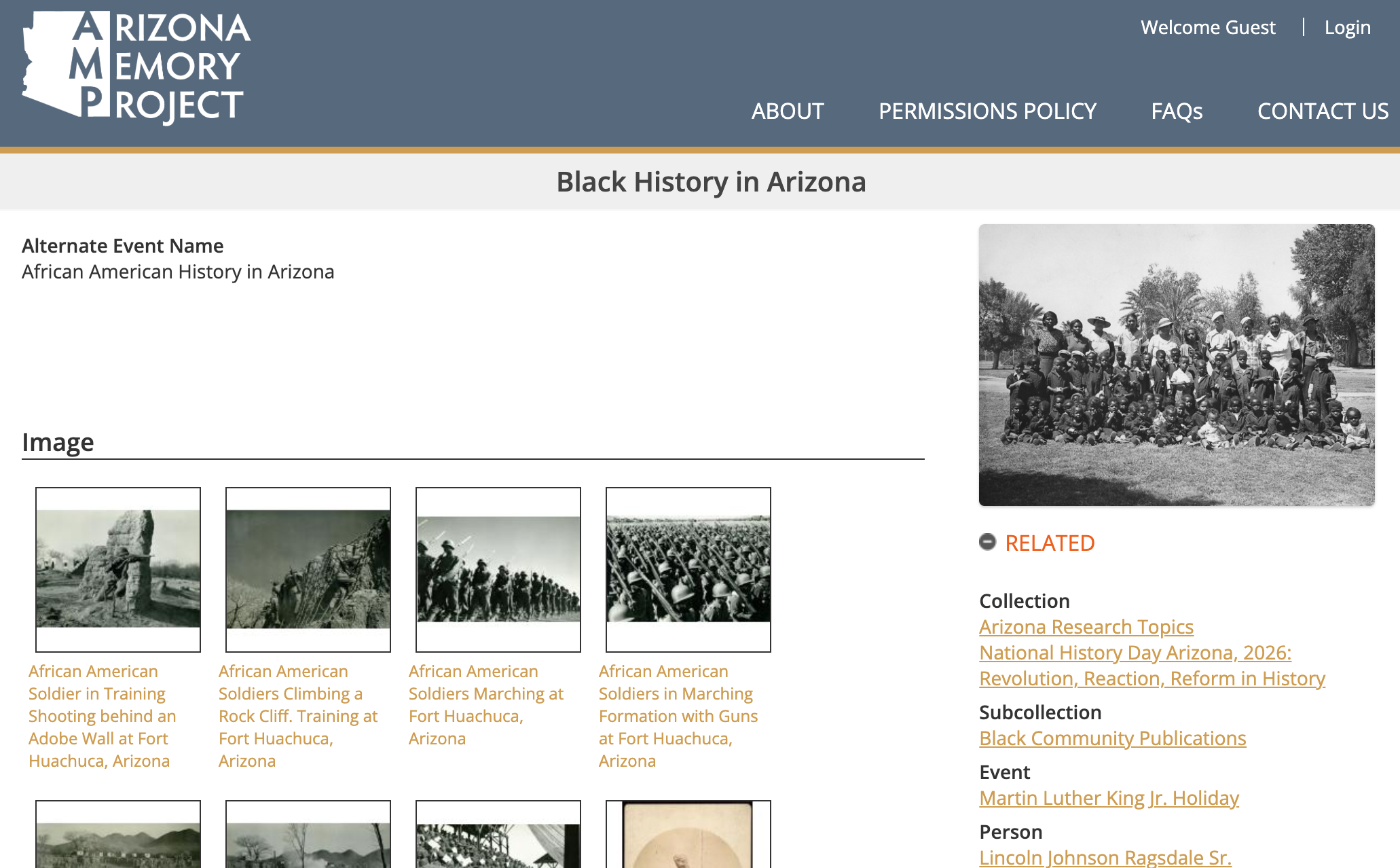
The Arizona Memory Project’s has a rich archive of content reflecting Arizona’s Black History
Arizona Memory Project: Black History in Arizona — The Arizona Memory Project brings Arizona’s Black history into clear view through photographs, oral histories, newspapers, maps and archival records from institutions across the state. Its Black history collections document everyday life, civic leadership, migration, business ownership and cultural milestones — offering an essential foundation for understanding how Black Arizonans shaped the state we know today.
Downtown Phoenix Inc.: Celebrating Black History Month — Each February, Downtown Phoenix Inc. spotlights Black excellence by uplifting the people, places and businesses that helped shape the city’s core. Through storytelling, events and curated resources, DPI highlights Black-owned businesses and cultural legacies — while pointing readers toward ways to support them today. Local tip: Follow @DowntownPhoenix on Instagram and subscribe to the DTPHX Insider for Black History Month features throughout February.
Tempe’s Black History Month — Tempe’s Black History Month resources explore the city’s past through stories of resilience, activism and community leadership. By recognizing both struggle and progress, the city offers context for how Black residents shaped Tempe — and why that history continues to matter.
We Are Here: Stories from Black Tucsonans — We Are Here is a powerful docuseries produced by The Dunbar Pavilion that centers the lived experiences of Black Tucsonans. Filmed at the historic Dunbar Pavilion, the project brings together 26 community members in candid conversation — documenting identity, belonging and place while creating space for intergenerational reflection and connection.
Carrying the Legacy Forward
“Looking back honors the roots.
Moving forward strengthens the future.”
Today’s Black entrepreneurs are writing the next chapter. From growing business ecosystems and accelerators to cultural institutions and advocacy organizations, Black-owned businesses continue to shape Arizona’s economy and culture.
Programs like Local First Arizona’s We Rise business accelerator help carry this momentum forward — connecting entrepreneurs with tools, capital and community as they build businesses designed to last.
Black History Month is a moment to reflect — but supporting Black-owned businesses is something we can do all year long.
To learn more about, and support Local First Arizona’s We Rise Black business accelerator: