From outdoor classrooms to solar-powered EVs, Mexicayotl Academy is living its sustainability values — while navigating the real cost of clean energy policy rollbacks.

The historic Hacienda Monarca — reimagined as a regenerative learning campus for Mexicayotl
As the director of strategic development for Mexicayotl Academy of Excellence — a bilingual, intercultural charter school in Southern Arizona — Luis Perales is used to making a dollar stretch.
Charter schools like Mexicayotl don’t receive dedicated state or federal funding for facilities or new construction. They don’t have access to the tax-backed bonds that support traditional public schools. Instead, leaders like Perales rely on grit, resourcefulness and a patchwork of grants to create the kind of learning environments their students deserve.
Over the past three years, Perales and his team have successfully secured a mix of public and private funding to make a strategic investment in the future of the school: the purchase of the 36-acre historic Hacienda Monarca. Now, their next chapter hinges on a different kind of investment — one rooted in clean energy, sustainability and long-term savings.
Sustainability Rooted in Culture

One of the school’s electric vehicles
With campuses in Tucson and the border city of Nogales, Mexicayotl embraces sustainability not as a trend, but as a tradition.
“Folks who’ve lived on the border have always lived sustainably,” Perales says. “We had chickens before they were cool. We recycled because we had to. That’s the ethos we grew up with.”
That lived experience now shapes Mexicayotl’s strategy: from reimagining Hacienda Monarca as a regenerative learning campus, to installing a solar array that not only powers its micro-fleet of electric vehicles and a new outdoor classroom, but significantly reduces the school’s utility bills.
These innovations were supported in part by Mexicayotl’s participation in Local First Arizona’s Green Business Boot Camp, where the team identified creative financing opportunities, vetted local contractors and crafted a long-term vision for energy resilience. The solar array — installed on the school’s hacienda property at an upfront cost of $149,552 — is expected to save the district approximately $17,000 annually in energy expenses, freeing up funds that can be redirected to student programming, staffing and maintenance.
“Local First Arizona definitely did right by us,” said Perales. “They helped us connect the dots at a time when a lot of people are looking for solutions.”
The $45,000 Question: Will Clean Energy Pay Off?
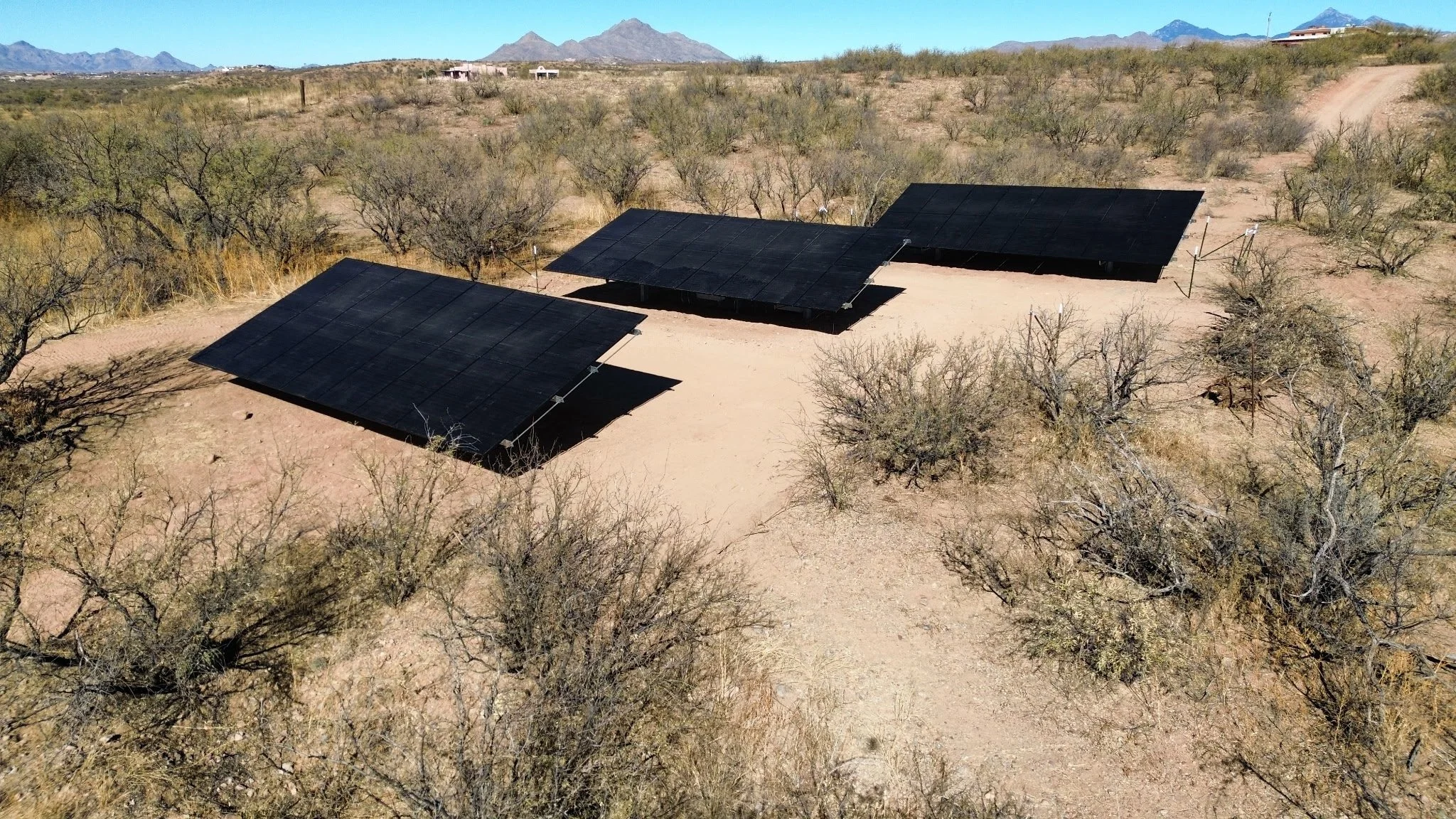
Ground mounted photovoltaic panels will help reduce the district’s energy expenses by $17,000 each year.
One of those solutions — known as Direct Pay — levels the playing field for tax-exempt entities, allowing them to receive a direct payment from the IRS instead of a traditional tax credit. Through Direct Pay, nonprofit organizations investing in renewable energy projects can access the same financial incentives as for-profit companies — significantly offsetting upfront costs. This support makes it more affordable for small, nonprofit schools like Mexicayotl to invest in renewable, efficient and cost-saving energy systems.
But with federal rollbacks looming, that support is no longer guaranteed. Proposed legislation could eliminate or drastically reduce tax credits for clean energy businesses and projects.
For Mexicayotl, losing the Direct Pay pathway could saddle the school with a much larger share of project costs — a serious blow to an organization already stretching every dollar to serve its students. But, Perales said he’s trying to remain optimistic.
“We’re hoping that doesn’t get eliminated because we’re a rural school,” he said. “Right now, that would be a $45,000 hit if we don’t get that rebate.”
Reclaiming Land, Culture and Opportunity
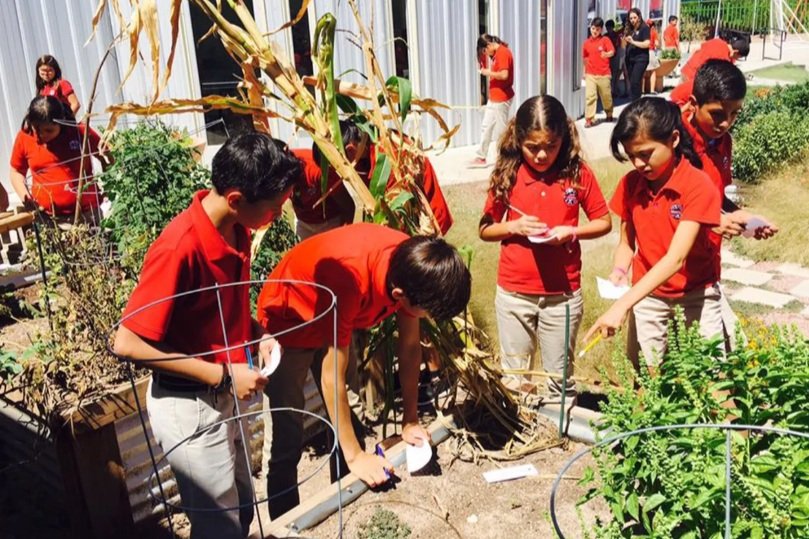
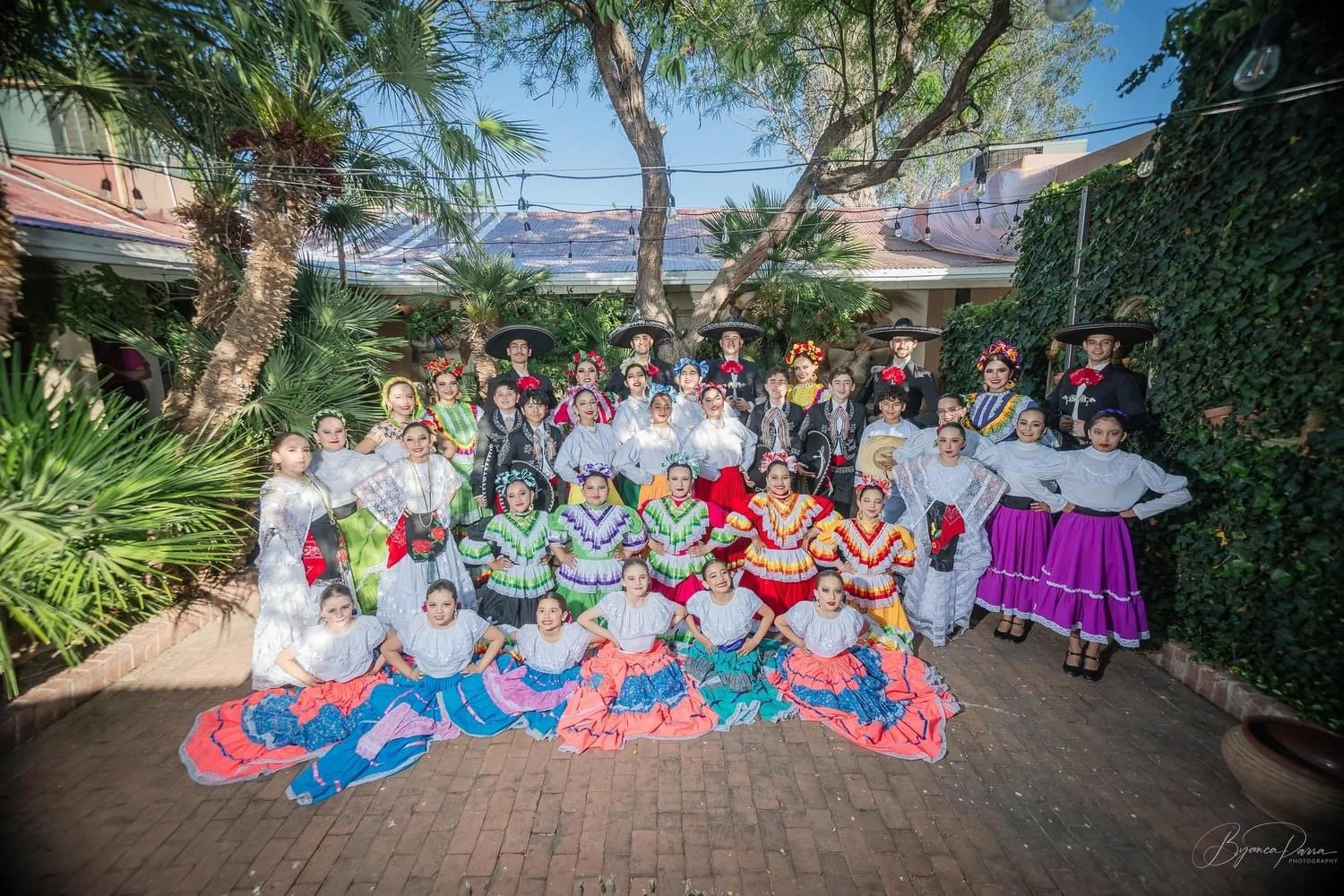
The regenerative initiatives underway at Mexicayotl’s Hacienda Monarca campus reflect more than just sustainable design. They’re part of a place-based curriculum that allows students to learn through culture, not just about it — from growing food to practicing traditional arts to understanding the complex history of the borderlands.
“What happens when a cattle ranch reverts and comes back to the people who were from the border?” Perales asks. “It looks different. It’s not just extractive. It’s about stewardship. It’s about our kids seeing they can care for land and community, too.”
Mexicayotl’s story is a reminder that climate resilience, cultural identity and economic inclusion are deeply connected. And when small schools are given access to the right tools — federal support, local partnerships and community-rooted values — they can build something far greater than a rebate check.
They can build a legacy.
Related Information:
Visit the Mexicayotl Academy of Excellence website
Learn about Local First Arizona’s Green Business Boot Camp
Discover the many ways that Local First supports Arizona’s economy and communities
Become part of the Local Movement