
From pounds of fabric to pallets of milk: How Tempe businesses are cutting their carbon footprint
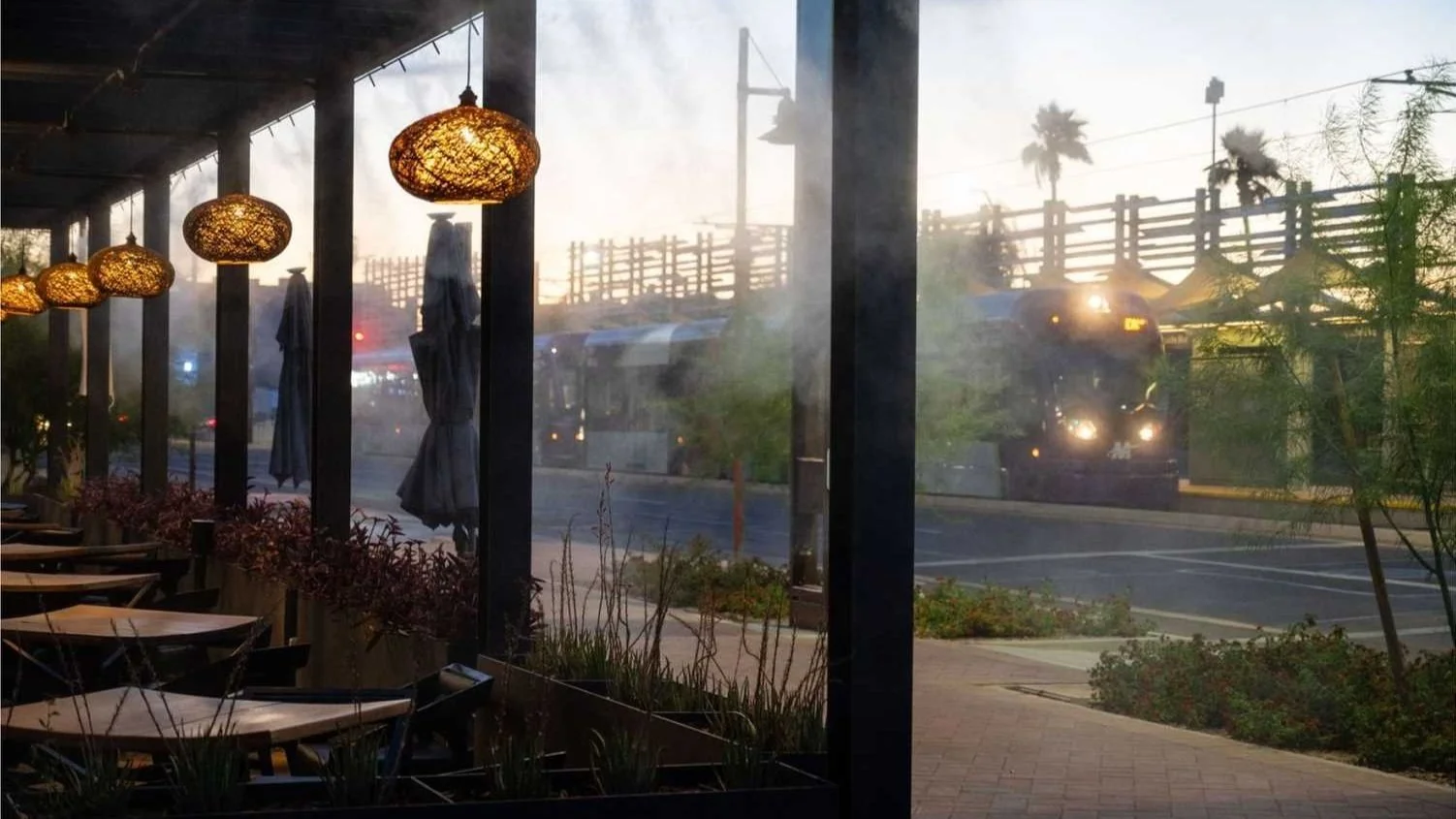
A restaurant and light rail line next to Culdesac car-free apartments
Mathematics may not seem to have anything in common with environmental sustainability.
But eight Tempe businesses that graduated from Local First Arizona’s Green Business Boot Camp demonstrate how crucial it is to quantify your impact on the Earth before you can start reducing it.

Levi jeans repurposed by Extended Use clothing company
Such measurements came in the form of pounds of fabric, tons of carbon dioxide emissions, kilowatt hours, square footage, gallons of rainwater and, even, pallets of milk.
As the first class to take the course in person (instead of on Zoom), these business owners— ranging from a coffee shop to a therapy practice to a real estate developer — shared ideas and connections with each other that could improve sustainability and decrease environmental impact.
This final session, closing out the seven-hour training, was reserved for each participating business to share the plans they had made to achieve those goals.
“The work that has been done is phenomenal,” said Jason Lowry, Local First director of sustainability initiatives. “We saw incredible specificity.”
Across the board, each business researched and developed plans to cut water, energy, waste or transportation usage by at least 20%. Some of the newly-minted graduates have already started the implementation phase.
“Small gains add up,” Jesse Shank, owner of Brick Road Coffee, said.
Here’s how Tempe businesses plan to build their resiliency, minimize the impact of climate-related events and mitigate supply chain issues for the long haul.
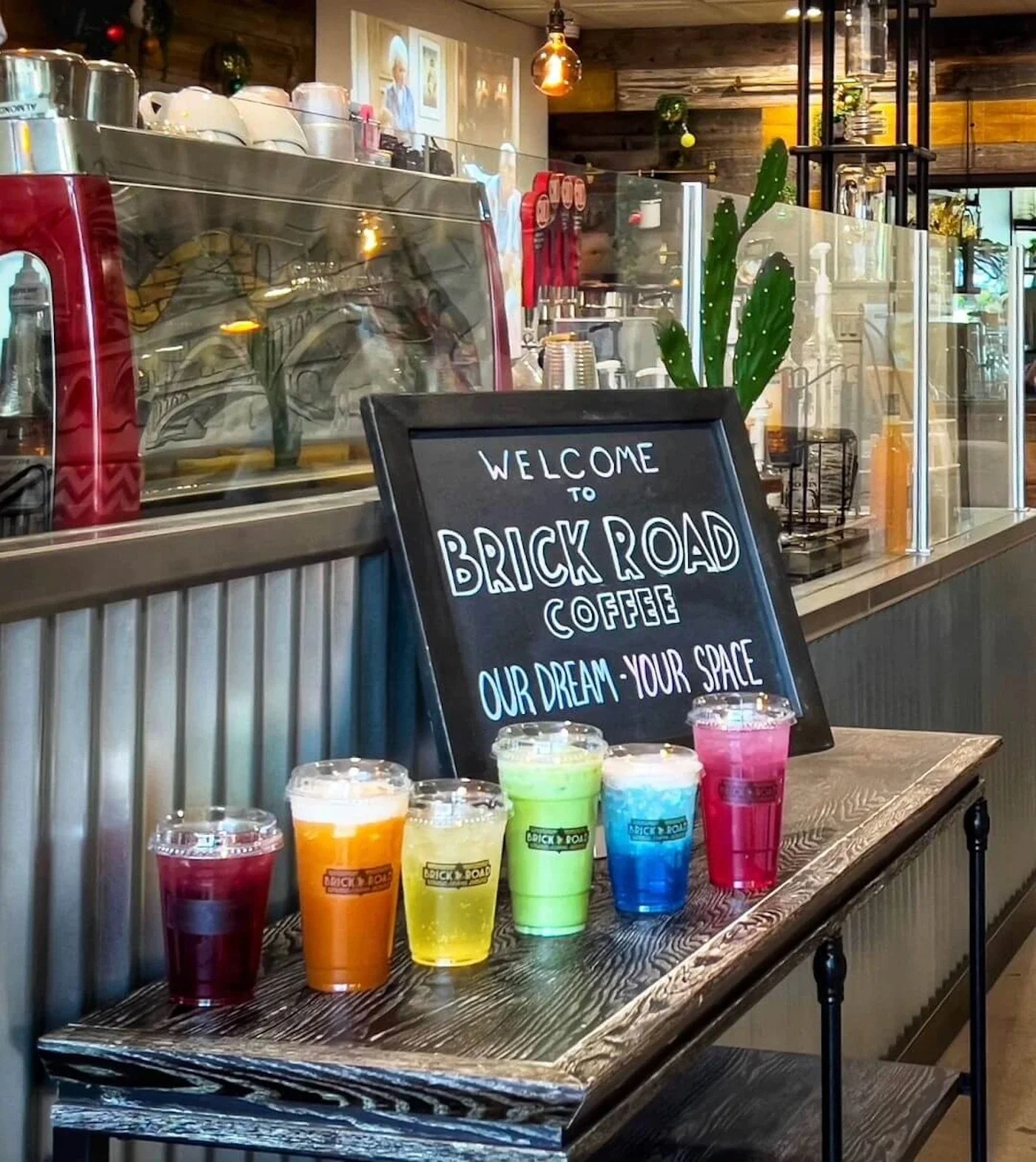
Brick Road Coffee
What they do: As Tempe’s “favorite LGBTQ-owned neighborhood coffee shop,” Brick Road Coffee is inclusive to all “human beans,” serving coffee, pastries and cultivating community.
The problem they saw: Coffee establishments are water and energy intensive operations, and they are often dogged by the waste they create thanks to the supplies they need to make their business work.
The solution they developed: They conducted a water audit with the city of Tempe and installed faucet aerators, the cost of which was almost entirely covered by rebates. Once they upgrade their pastry oven, they anticipate a 50% savings in energy costs, which could be greater once a small business assessment is completed with SRP. To reduce transportation costs, they installed a bike rack to encourage non-motorized patronage. And to reduce emissions and waste, they will switch to a dry milk alternative instead of pallets of liquid milk alternatives and utilize a SodaStream for carbonated beverages in lieu of the canned variety they’ve previously used.
Impact: Just by switching the type of milk they use and their use of canned beverages, Red Brick Coffee expects to reduce emissions by 8.2 tons of carbon dioxide and reduce waste by 615 bags of trash.

Legacy EV
What they do: Legacy EV is a one-stop solution, offering kits, components and training on converting gas-powered vehicles to electric ones.
The problem they saw: Due to the nature of their industry, which incorporates makers trying new things that may or may not work, supply chain issues influenced their need to utilize next-day shipping — a pricey and environmentally costly practice.
The solution they developed: They analyzed their customer base, calculated shipping costs and frequencies, and crunched numbers related to fuel burn and carbon dioxide emissions for those shipments, which often tipped the scales at 800 to 1,000 pounds. When they did, they discovered that a five-day shipping window reduced fuel burn by 20%.
Impact: By adjusting internal systems, reducing errors and establishing a five-day shipping window, they expect to decrease carbon emissions and their fuel burn by 9,000 pounds.
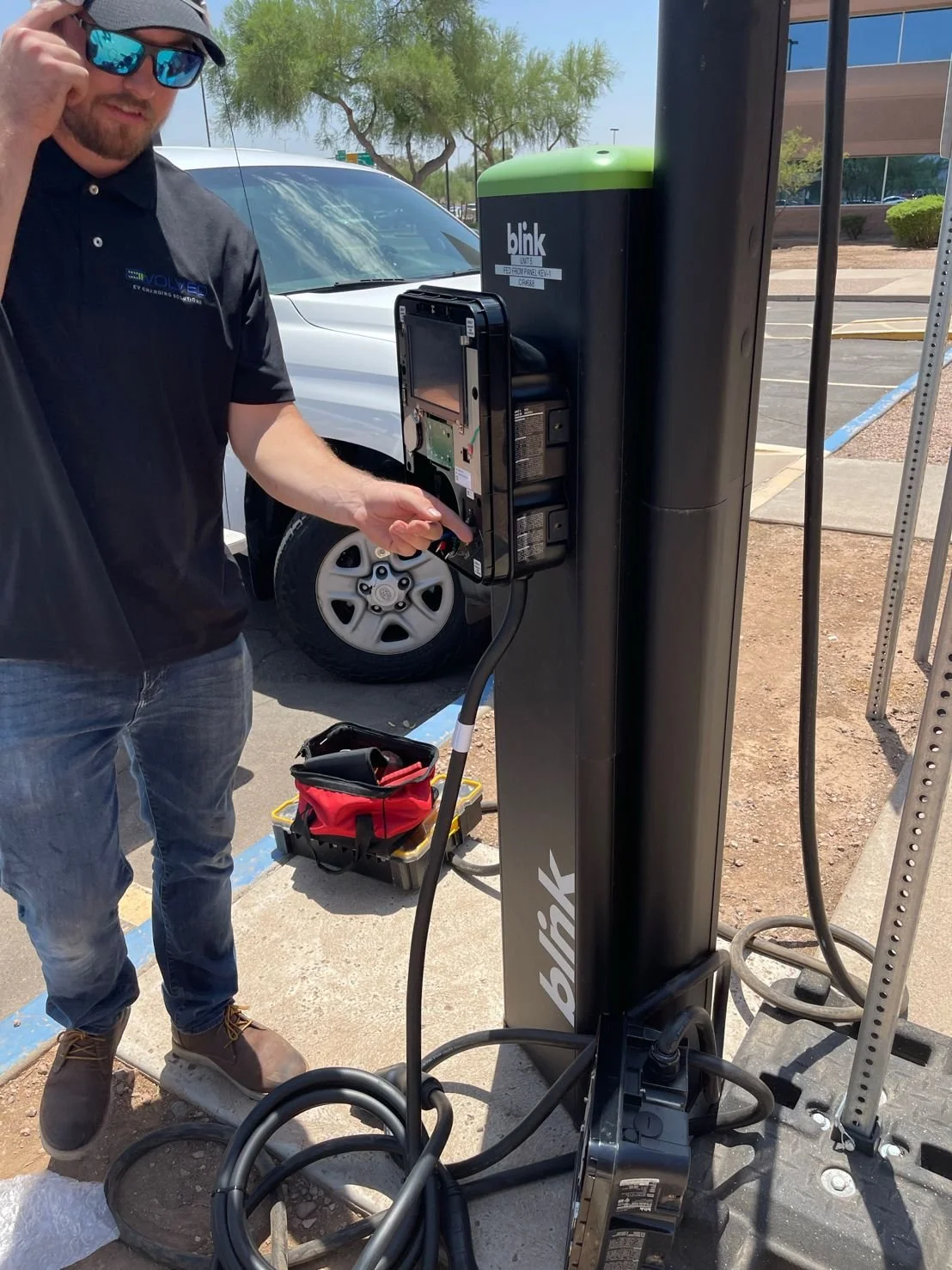
EVolved EV Charging Solutions
What they do: EVolved provides full-service charging system solutions for electric vehicles.
The problem they saw: As a sustainability-focused company, they wanted to find ways to be more efficient when it came to operations and their footprint.
The solution they developed: They started a company-wide recycling program to reduce waste related to conduit and excess wiring, and to reduce waste related to office supplies, like paper. In addition, energy costs could be reduced by retrofitting the lighting in the EVolved facility, replacing old fixtures with LED bulbs equipped with auto dimmers. They hope to utilize SRP rebates to cover some of the costs associated with the retrofit.
Impact: Once the lighting retrofit is complete, they anticipate saving $4,000 in energy costs and decrease their energy usage from 28,000 kilowatt hours to just over 5,000 kilowatt hours.

Drink Me! Tea Room
What they do: A new take on an old tradition, Drink Me! Tea Room offers afternoon tea with gluten-free, plant-based savory and sweet treats.
The problem they saw: Already a Local First Arizona Green Certified Business, Drink Me! Tea Room was looking to balance the temperature of the air in the restaurant to better cool the kitchen and warm the dining room. They have had to manage “huge” electric bills in the summer months.
The solution they developed: They conducted an energy audit with Obodo Energy to discover where leakage points existed and received suggested solutions, including updated weather stripping, improved insulation and a smart plug for the water boiler.
Impact: They anticipate a $200 per month savings on their electric bill and a 23% reduction in energy usage.

MPB Commercial Realty
What they do: MPB Commercial Realty is a locally-owned and operated, commercial property management, leasing and brokerage firm.
The problem they saw: In their efforts to help their tenants thrive, they saw an opportunity to introduce the business owners within their properties to resources that improve efficiencies and sustainable practices.
The solution they developed: They are working to create a guide for tenants that offers referrals to traditional and green business resources across the state and in their specific area. They also plan to continually look for opportunities where property upgrades could create valuable efficiencies.
Potential impact: By partnering with Local First to conduct an audit on one of their properties, MPB hopes to create a model for sustainability upgrades for existing construction.

Desert Rain Behavioral Health Services
What they do: A counseling center that has offered services in Tempe for 15 years, Desert Rain Behavioral Health Services works with a variety of patients including indigenous families.
The problem they saw: They wanted to create a therapeutic garden at their new facility, and they wanted to utilize rainwater as a source for the water.
The solution they developed: They plan to complete a water audit with the city of Tempe, apply for a grant to fund a rainwater harvesting system and engage professionals for an energy audit.
Potential impact: Their calculations estimate that they could capture up to 26,000 gallons of water a year based on annual rainfall.

Culdesac
What they do: As a car-free rental community, Culdesac develops apartment communities in areas well connected to transportation and other needs.
The problem they saw: Culdesac values sustainability and eco-friendly practices, so it had hoped to reduce waste by developing compost and zero food waste opportunities for residents and businesses within their communities.
The solution they developed: They will work with a nonprofit partner, Waste Not, to arrange for unwanted food from the grocery store in their community to go to people who need it. They’ve introduced a composting project at the restaurant in their community and they hope to launch a resident composting initiative.
Potential impact: They understand that 83% of food waste comes from restaurants, groceries and households, so they hope these initiatives will make a difference.

Extended Use
What they do: Extended Use is a clothing upcycling business started by Samuel Perry in 2019, when he was a senior in high school.
The problem they saw: His vision of creating a closed fashion lifecycle, by upcycling and redesigning garments that have been cast aside, wasn’t being fully realized with his current business model. Put simply, he wasn’t sure what happened to a garment once a customer purchased it.
The solution they developed: To encourage a closed loop, he is creating a buyback program that will track customer purchases, allow them to give those purchases back for a future credit and keep additional textiles from entering the landfills.
Potential impact: Understanding the fashion industry is second to oil and gas for contributing to pollution, he hopes this initiative will reduce the environmental impact of his industry and ultimately further extend the use of the garments he rescues.
Do you want to save 20% or more on utility costs for your business? Local First Arizona’s Green Business Boot Camp will help you do that with simple adjustments, often leading to thousands of dollars in annual savings. Learn more here: https://localfirstaz.com/green-boot-camp
