
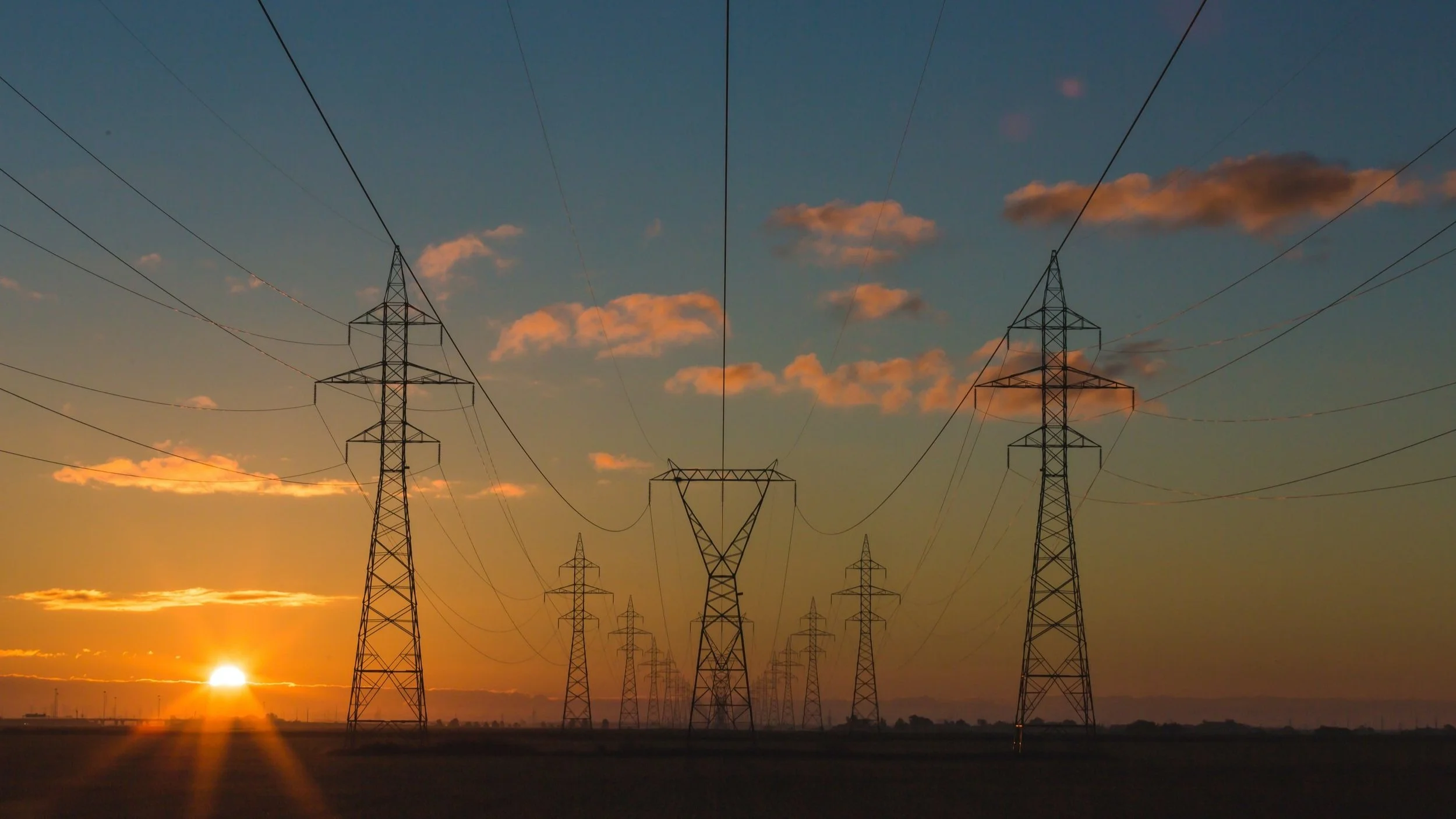
Arizona tribal nations will soon begin investing more than $5 million from the federal Bipartisan Infrastructure Law (BIL) to better protect power lines from wildfires and storms and to modernize their electrical grids.
Twenty tribes secured the funding through the Building a Better Grid Initiative, which aims to achieve 100% clean electricity across the country by 2035.
Power outages from severe weather in the United States have doubled over the past two decades, and the frequency and length of time for power failures have reached their highest levels since tracking began in 2013, according to the U.S. Department of Energy.
While Arizona overall has strong rankings nationally for power reliability, according to the Citizens Utility Board, some areas of the state are less resilient due to the diverse terrain.
“Every community deserves a strong and reliable energy grid that can deploy cleaner, cheaper power to homes and businesses,” said U.S. Secretary of Energy Jennifer Granholm. “Thanks to the transformative investments in grid infrastructure from President Biden’s Bipartisan Infrastructure Law, we can help protect our neighborhoods, main streets, and downtowns from grid shutdowns during extreme weather events, while creating good-paying jobs in the process.”
20 tribes and state of Arizona will reduce power outages, create jobs with federal funding
The tribes in Arizona receiving funding are:
$165,026 Ak-Chin Indian Community
$65,153 Cocopah Tribe of Arizona
$160,199 Fort McDowell Yavapai Nation
$320,225 Fort Mojave Indian Tribe
$66,445 Fort Yuma Quechan Tribe
$286,225 Gila River Indian Community
$137,108 Havasupai Tribe
$199,993 Hopi Tribe
$409,374 Hualapai Indian Tribe
$196,053 Kaibab Band of Paiute Indians
$860,269 Navajo Nation
$107,406 Pascua Yaqui Tribe
$164,134 Salt River Pima-Maricopa Indian Community
$280,797 San Carlos Apache Tribe
$435,692 San Juan Southern Paiute Tribe
$401,207 Tohono O'odham Nation
$124,311 Tonto Apache Tribe
$211,234 White Mountain Apache Tribe
$245,880 Yavapai-Apache Nation
$245,672 Yavapai-Prescott Indian Tribe
In addition, the state of Arizona was allocated $6.7 million for grid improvements.
The projects will create jobs and help safeguard communities from power interruptions exacerbated by climate change, federal energy officials said.
Tribes, rural communities can receive free assistance applying for millions in federal and local funding

Local First Arizona is able to assist tribes, non-profits and rural and underserved communities in applying for additional dollars available under the $65 billion Bipartisan Infrastructure Law.
Our Arizona Economic Recovery Center (AZERC) matches tribes, non-profits and rural and underserved communities with grant-writing services, as well as economic analysis, project management, budgeting and public engagement, at no charge.
The AZERC has helped communities and nonprofits secure nearly $30 million for rural Arizona since mid-2021, including grants to support the Fort Apache Heritage Foundation and the Navajo Tourism Department.
“Federal investment in infrastructure is critical for building the future Arizona needs. But rural, tribal and underserved communities sometimes struggle to compete for funding,” said Local First Arizona CEO Kimber Lanning. “That's why Local First Arizona offers free consulting and grant writing to rural nonprofits, towns and tribes, including those who wish to take full advantage of the millions of dollars available under the Bipartisan Infrastructure Law. We encourage rural towns, tribes and nonprofits who would like assistance applying for BIL funding to contact us for support."
To request assistance with applying for funding, email azerc@localfirstaz.com or go to localfirstaz.com/economic-recovery-center.
