
With Rural Funders Network, Local First Arizona Raises the Visibility of Needs Outside Urban Areas
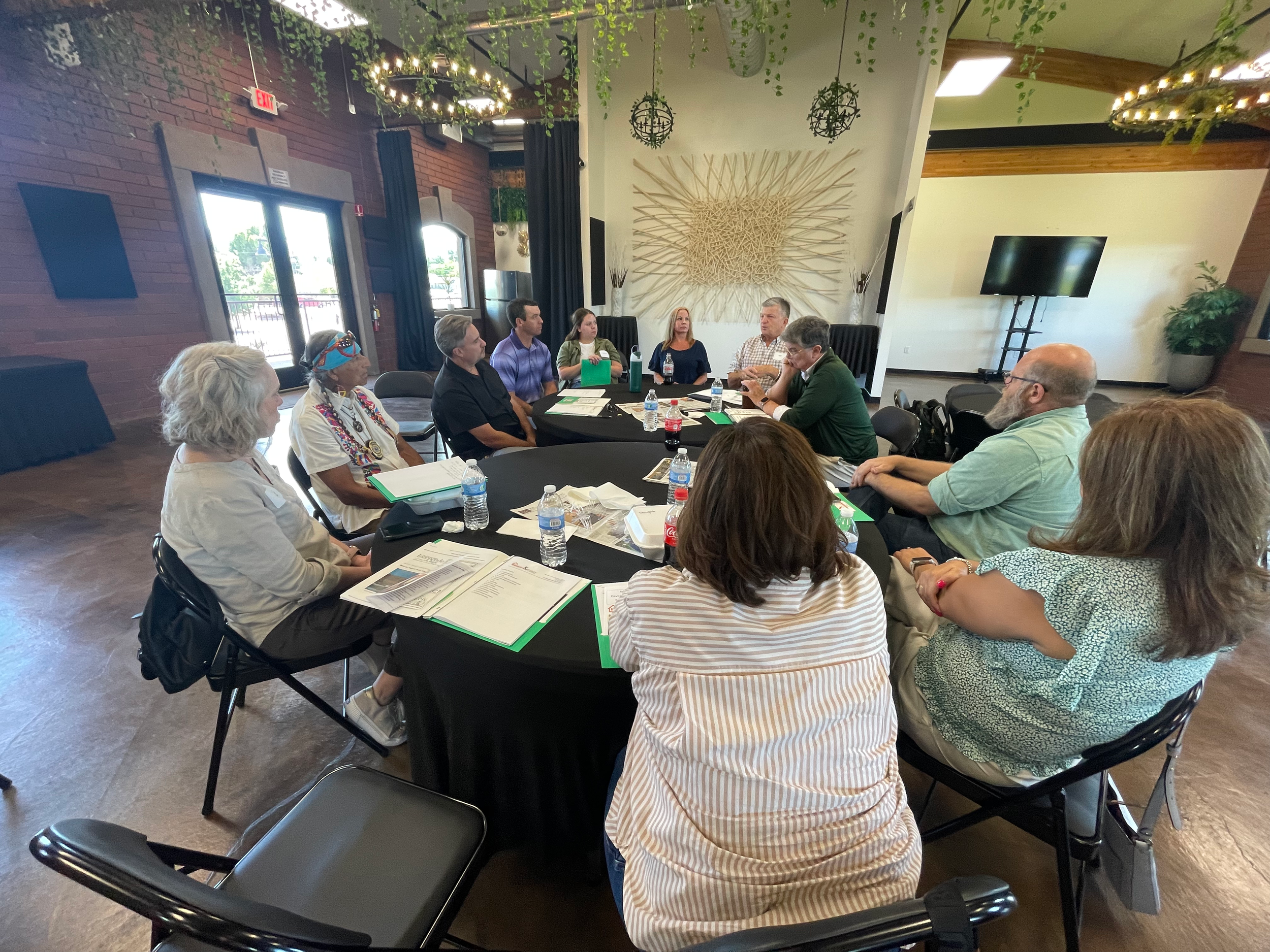
Members of the Rural Funders Network Visit Steps to Recovery Homes in Cottonwood
Every few months, a group of philanthropists gathers to share ideas, exchange referrals, celebrate successes, discuss opportunities, and address challenges in supporting community-focused organizations and individuals across rural Arizona.
Known as the Rural Funders Network, the group’s initiatives are facilitated by Local First Arizona, which has been designated as the state’s Rural Development Council.
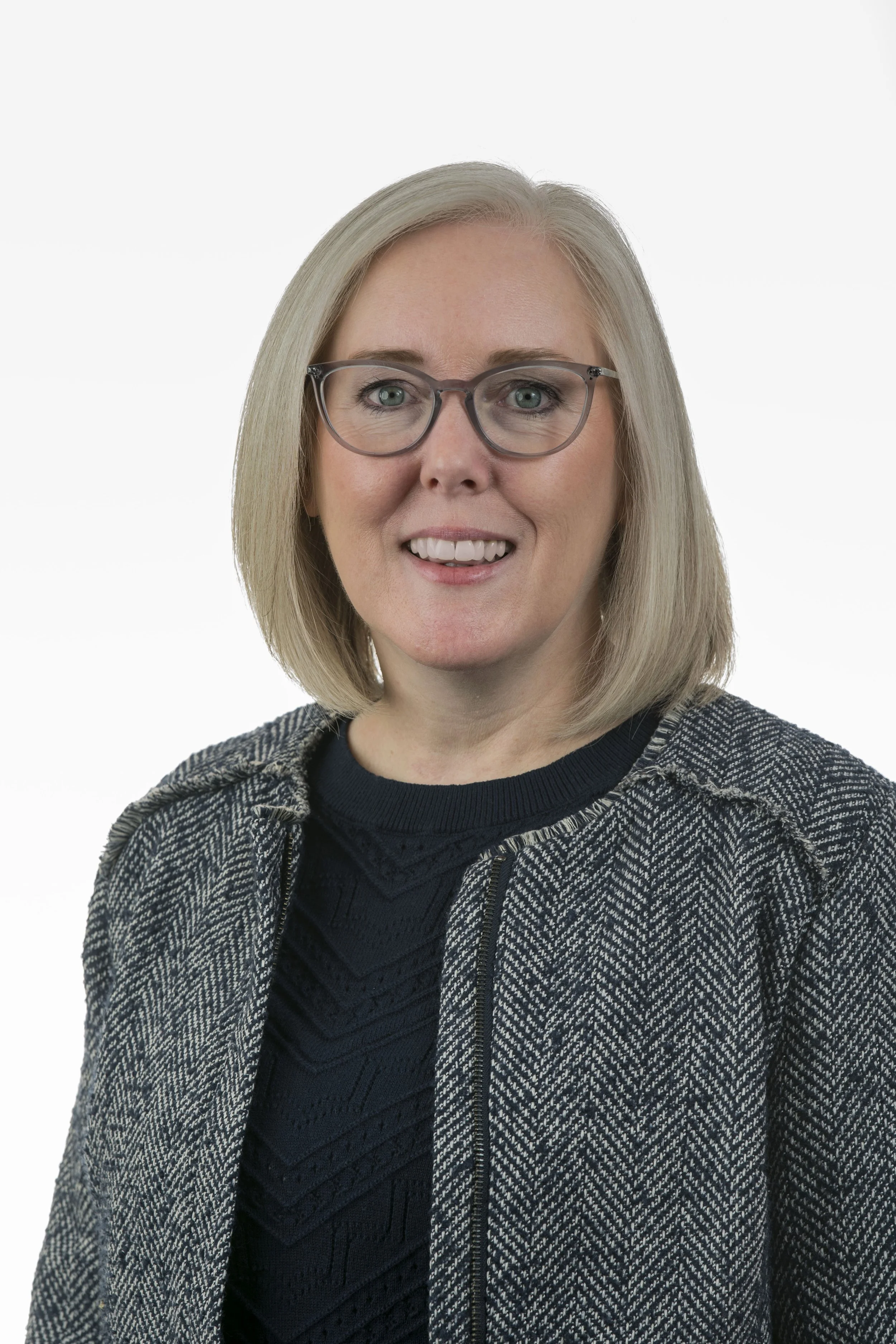
Jenna Rowell, Director of Rural Development for Local First
Collaborating to Meet the Needs of Rural Communities
Jenna Rowell, director of rural development for Local First, said the biggest value of the Rural Funders Network is the opportunity it offers participants to collaborate effectively. It gives them a designated space to connect, deepen their learning and increase the impact of their efforts.
“The reason we stood it up is to help create dialogue but also opportunities for collective systems change by sharing information and making it easier for rural communities and nonprofits to access funding,” Rowell said.
Every community has its own unique patchwork of nonprofit organizations that fill in the gaps of addressing social needs. From substance abuse to food scarcity, school readiness, youth diversion, elder care and beyond, each community stitches together its own fabric of assistance.
Bridging the Divide Between Urban and Rural Philanthropy
For corporate philanthropy, which is often centered in urban areas, understanding the work happening in rural communities presents challenges. Likewise, rural organizations often struggle to attract larger philanthropic investments, as their efforts typically fall outside the metro area spotlight.
The Rural Funders Network aims to bridge that divide.
Field Trips: A Hands-On Approach to Understanding Impact
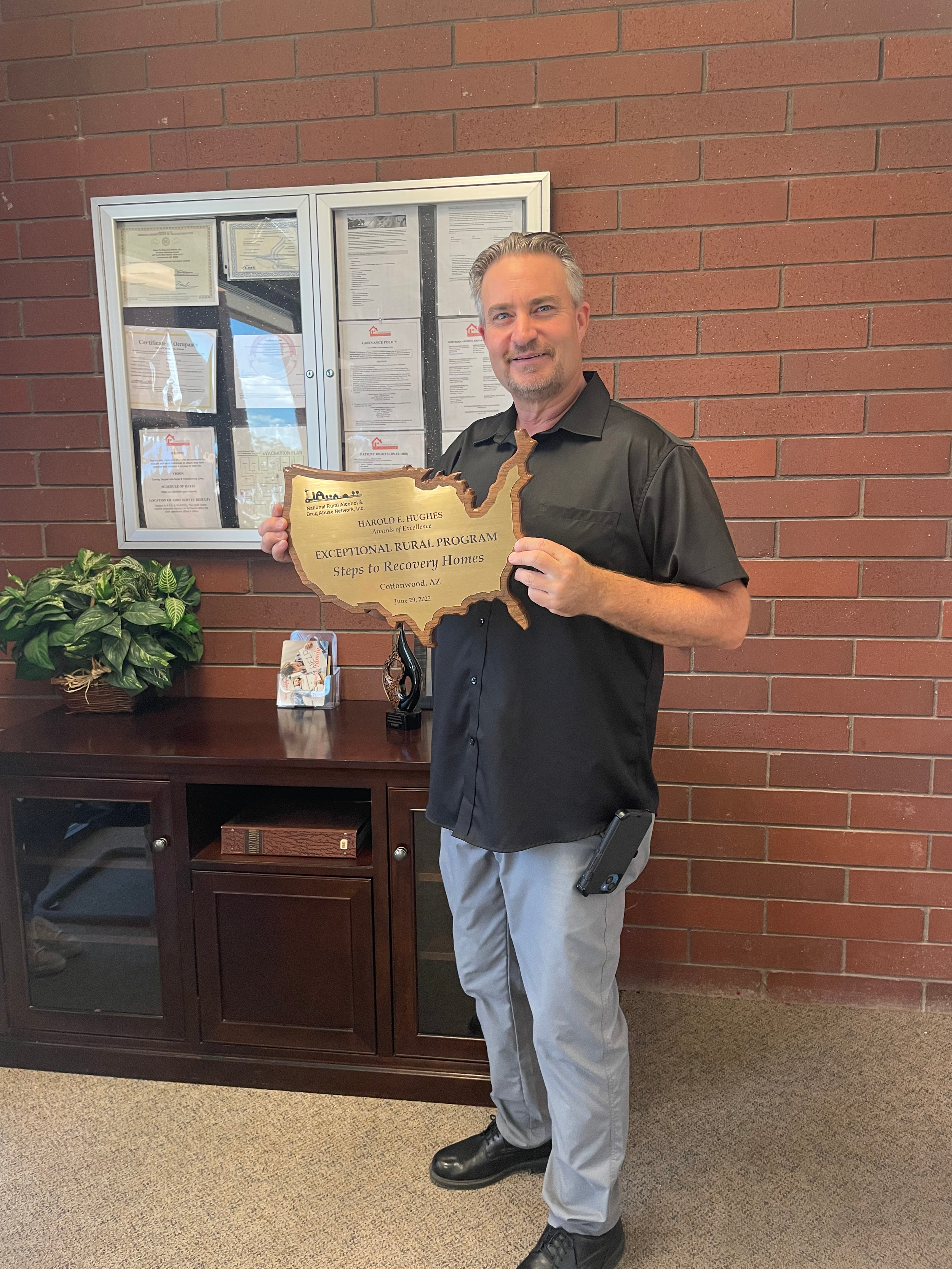
Damien Browning, Executive Director of Steps to Recovery Homes
One way the network is doing that is by hosting field trips. In March, the Rural Funders Network visited the Sahuarita Food Bank, which assists those facing food scarcity in the town about 15 miles south of Tucson.
In August, the network visited Steps to Recovery Homes in Cottonwood, an organization dedicated to serving those in need of treatment for addiction. During their visit, network members saw the Steps to Recovery program in action and were able to offer their advice on challenges the organization is facing. For the Steps to Recovery team, the trip provided a valuable opportunity to connect directly with funders it might not otherwise meet.

Victoria Grijalva Ochoa, Rural Program Manager for Local First
Victoria Grijalva Ochoa, a rural program manager for Local First, attended the field trip, which included two Rural Funders Network participants who have already funded Steps to Recovery Homes and others who had not. The visit served as a live case study of the value of philanthropy for rural organizations.
“They had a couple people who are now staff of the organization but were originally tenants in the program,” Grijalva Ochoa said. “It was important to show how the work worked. And the impact it makes.”
Evaluating Organizations and Funding Journeys
Those field trips also allow participants in the Rural Funders Network to evaluate where certain organizations are on their funding journey. It allows them to see if those organizations are just getting their feet wet with the work they are doing or if they are ready to expand or build capacity.
With that understanding, and the relationships formed through the network, participants in the Rural Funders Network can strategize how they might best support organizations, either individually or collectively.
“Funding can stack up,” Rowell said. “What we’re trying to do with the Rural Funders Network is see where public funds can stack with private sector philanthropy so that these funds can make a greater impact.”
Are you ready to help rural Arizona? Reach out to Local First Arizona’s Rural Development team to discuss partnering with us.