
Small Business Reopening Resources

Small Business Reopening Resources
Is your business considering reopening? Retailers (May 8th, 2020) and restaurants, barbers, & cosmetologists (May 11th, 2020) have been given the option from the Governor's Office to safely reopen your business. You may have questions regarding hiring staff, liability issues, and maintaining a safe environment for your team and customers.
Local First’s Small Business Reopening Resources will help you prepare.
Resources will be added on a rolling basis to this page so check back frequently.
Official Reopening Guidelines
Small businesses from different industries have many different scenarios to consider when reopening. Our team at Local First Arizona has compiled this comprehensive list of all known reopening guidelines for businesses to follow. More will be added to this folder as we learn about them.
Updates from Experts
Local First AZ Legacy Partner David DeLorenzo from Bar & Restaurant Insurance shares his take on what he’s currently seeing in the restaurant industry and what you should consider doing before reopening.
Rehiring & Compliance

Lindsay Leavitt from Jennings Strouss shares helpful tips and information for small businesses to consider regarding unemployment benefits and rehiring staff in his latest update below. Lindsay advises and represents businesses large and small in employment and litigation matters in Arizona.
FAQ: Unemployment Benefits
Q. What is the maximum amount of unemployment insurance (UI) that an individual can receive under Arizona law?
A. In Arizona the maximum unemployment benefit is $240/week.
Q. Does the CARES Act provide additional unemployment insurance?
A. Yes, the CARES Act provides an increase in traditional unemployment benefits with an additional $600 per week through July 25, 2020.
Q. Do underemployed (i.e., part-time) employees qualify for unemployment benefits?
A. Yes, but the UI benefits are reduced. For example, if a (formerly 40 hour per week) employee had her hours reduced to 20 hours per week she would be entitled to 50% of her full UI benefits.
Q. What is Pandemic Unemployment Assistance (PUA)?
A. PUA is a new program (subsidized by the CARES Act) that provides benefits to individuals who are not otherwise eligible for Unemployment Insurance. Applications for PUA will be processed by AzDES beginning the week of May 12 and payments will begin for eligible claimants that same week.
Q. Can self-employed individuals received PUA?
A. Yes, if they self-certify in their application that they are unemployed, partially unemployed, or unable to work (or telework) due to one of the COVID-19 related reasons identified in the CARES Act (Section 2102(a)(3)(A)(ii)(I)). Some of these reasons include that they have COVID-19, are caring for someone with COVID-19, etc.)
EMPLOYEES WHO ARE FEARFUL ABOUT RETURNING TO WORK
What should an employer do with employees who are fearful, or who refuse to return to the workplace due to COVID-19? There are a number of contrasting laws, policies, and practicalities to consider.
RELEVANT LAWS
(1) As a general background, Arizona is an at-will employment state. An employer can freely terminate an employee who refuses to come to work.
(2) The Occupational Safety & Health Act (OSHA) grants workers the right to refuse to work if they believe workplace conditions could cause them "serious imminent harm." OSHA's General Duty Clause requires employers to guarantee their employees a workplace “free from recognized hazards that are causing or are likely to cause death or serious physical harm.” It will be very difficult for an employee to receive protection under OSHA's General Duty Clause if the employer is following social distancing standards and hygiene guidelines
(3) The National Labor Relations Act (NLRA) protects employees who walk off the jobs because they feel unsafe. However, as with an OSHA complaint, an employee's reasoning for feeling unsafe at work needs to be more specific than just general concerns about COVID-19.
(4) The Equal Employment Opportunity Commission (EEOC), which enforces anti-discrimination laws, has issued guidance allowing employers to test employees before allowing them back into the workplace, as long as the Food and Drug Administration determines the tests being used are “accurate and reliable.” The EEOC also allows employers to take the temperatures of their employees, but must keep their health information confidential.
POLICIES
It is strongly recommended that each employer draft and distribute policies which will combat the spread of COVID-19 in their workplaces. The policy should address the following items:
use of healthy hygiene practices.
intensified cleaning, disinfection, and ventilation.
social distancing.
telework and cancellation of non-essential travel.
seating distance of at least 6 feet and staggered gathering (starting/closing) times.
restricted use of any shared items or spaces.
training all staff in all of the safety actions.
adjustments for at-risk or high-risk employees.
Employers should also examine their existing employee handbooks to determine what, if any, policies apply.
PRACTICAL CONCERNS
While not necessarily legal issues, employers should also take into account employee morale, continuity, availability of alternate labor, etc., when making decisions regarding whether (and how) to discipline workers who refuse to come to work.
More Opportunities

Revenue Now. Visitors Soon.
Hownd is generating immediate revenue for local brick & mortar businesses through their Buy Now, Visit Later Support Voucher program. Since the pandemic began, consumers have used the MyHownd app to purchase more than $1,000,000 worth of vouchers from their favorite local merchants.
Learn more at hownd.com/BravetheStorm
Support Local Businesses
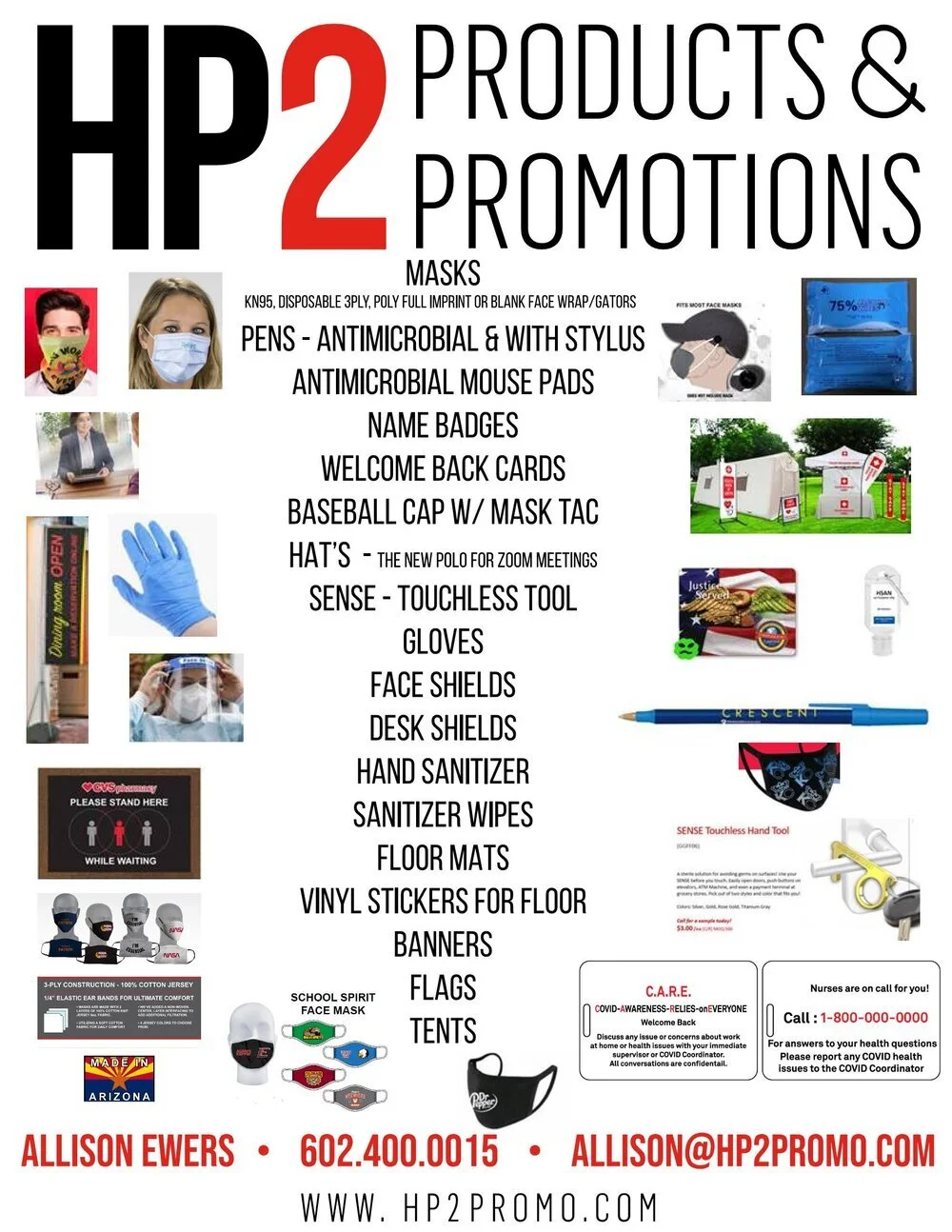
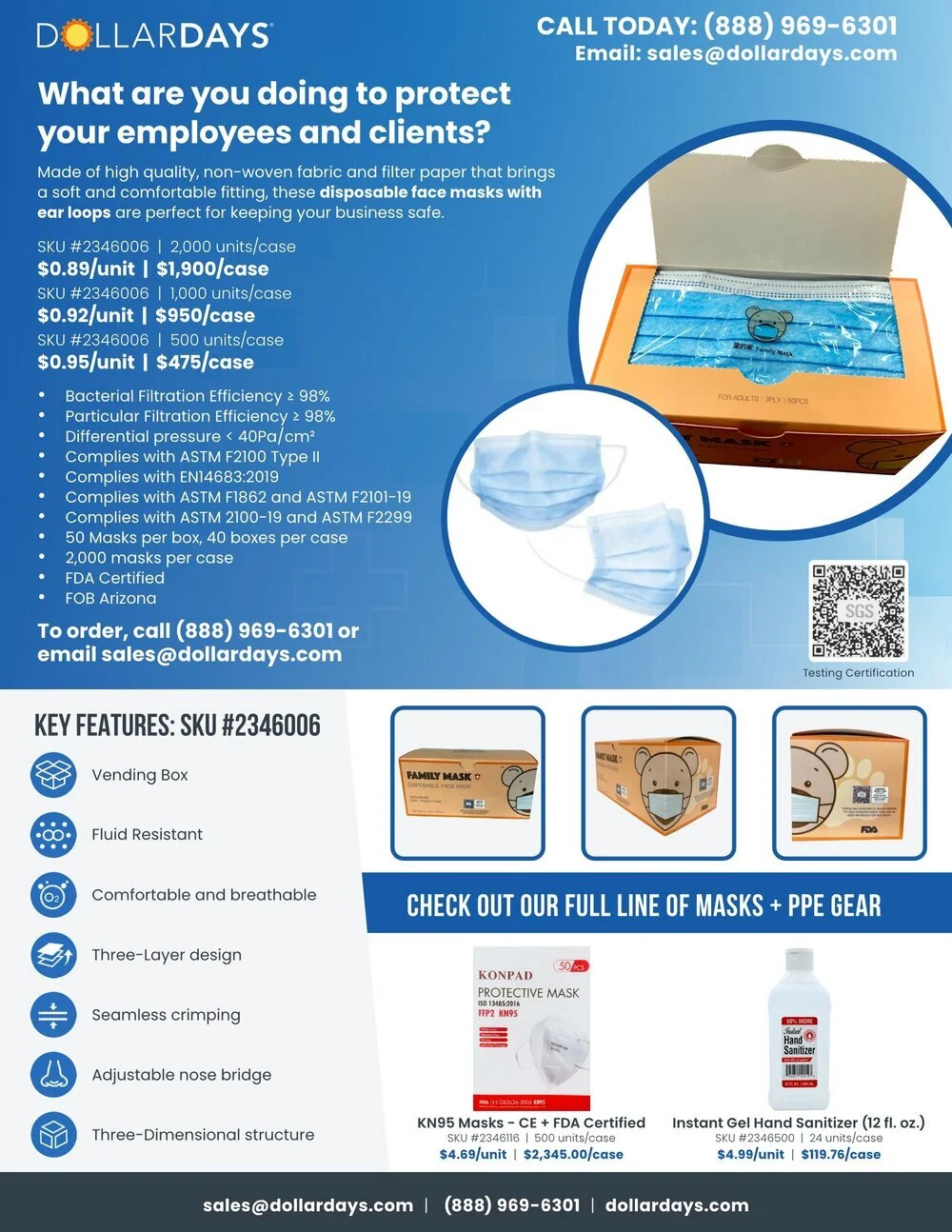
As you look to reopen your business, you team will need to consider many different things in order to reopen. Consider supporting other local businesses to purchase what you need.



FDA is providing a food safety re-opening checklist for previously closed retail food establishments or those that have been open with limited service related to the COVID-19 pandemic. This checklist addresses key food safety practices for retail food establishments to consider when re-opening and restarting operations. This is not a comprehensive list. We encourage retail food establishments to partner with local regulatory/health authorities to discuss the specific requirements for their retail food establishment prior to re-opening.