
Northern Arizona School District Celebrates First Electric Bus

Students, parents and staff celebrating Clarkdale-Jerome Elementary School District’s first electric school bus (credit: 204 Film)
School buses are expensive. Matt Schumacher, superintendent of the Clarkdale-Jerome Elementary School District in northern Arizona, has crunched the numbers.

Superintendent Matt Schumacher (credit: Clarkdale-Jerome Elementary School District)
A traditional, diesel-powered school bus, which must be replaced every three years, can cost upwards of $200,000, on top of expensive diesel oil and maintenance. An electric school bus, on the other hand, comes with an initial price tag about two times that size, but lasts longer and costs much less for fuel and maintenance.
When looking at his district’s budget, Schumacher saw an opportunity to save while reinvesting in projects that are long overdue.
He partnered with Canyon State Bus Sales to apply for funding to buy an EV bus through the Environmental Protection Agency’s Clean School Bus Program.
The $400,000 grant, funded by the Bipartisan Infrastructure Law, covered almost the entire cost to purchase the pollution-free vehicle. The district only had to chip in about $20,000.
The grant has been “transformative,” Schumacher said.
New breathing room for a tight budget
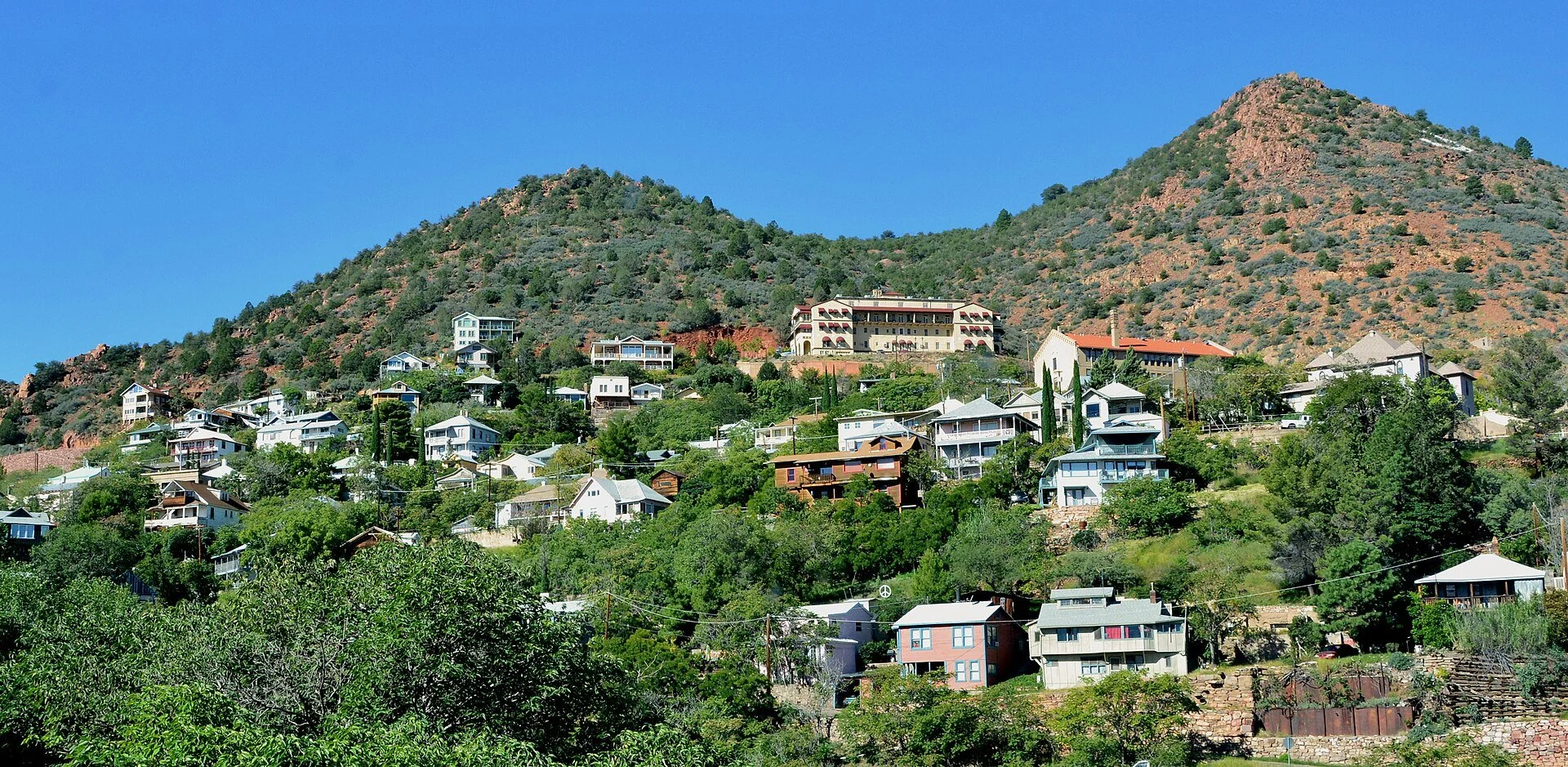
Jerome (credit: Mike McBey)
More than 60 EV school buses have been funded in the past two years by the EPA in rural Arizona school districts, from Chinle to Yuma.
Schumacher’s district serves about 470 students in grades K-8 across the Verde Valley in northern Arizona. Between Clarkdale and Jerome, a nearby town known for its haunted venues, the elevation changes by about 1,500 feet.

The EV bus charging station installed at the school (credit: Matt Schumacher)
The region, known for its mining past, is rural, mountainous and somewhat of a darling — especially during the summer — when Phoenicians want to escape the rush of the city or the heat of the Valley.
Even with tourism dollars, Schumacher said, rural Arizona school districts can struggle to keep pace with needed updates without outside help. The grant gave the district financial breathing room to make long-awaited improvements to campus security, heating, air-conditioning and other priorities.
“It’s a tight budget. We don’t have the purchasing power that larger districts have, and the wear and tear on buildings can be significant over four seasons with both triple digits and below-freezing temperatures, including snow,” he said.
Buying a new diesel bus would have wiped out the lion’s share of Clarkdale-Jerome Elementary School District’s capital reserves, Schumacher said.
“For us, that’s money in the bank that can go to other uses,” he said. “It allows us to invest in a twenty-first-century learning environment for our students.”
EV bus means cleaner air for kids
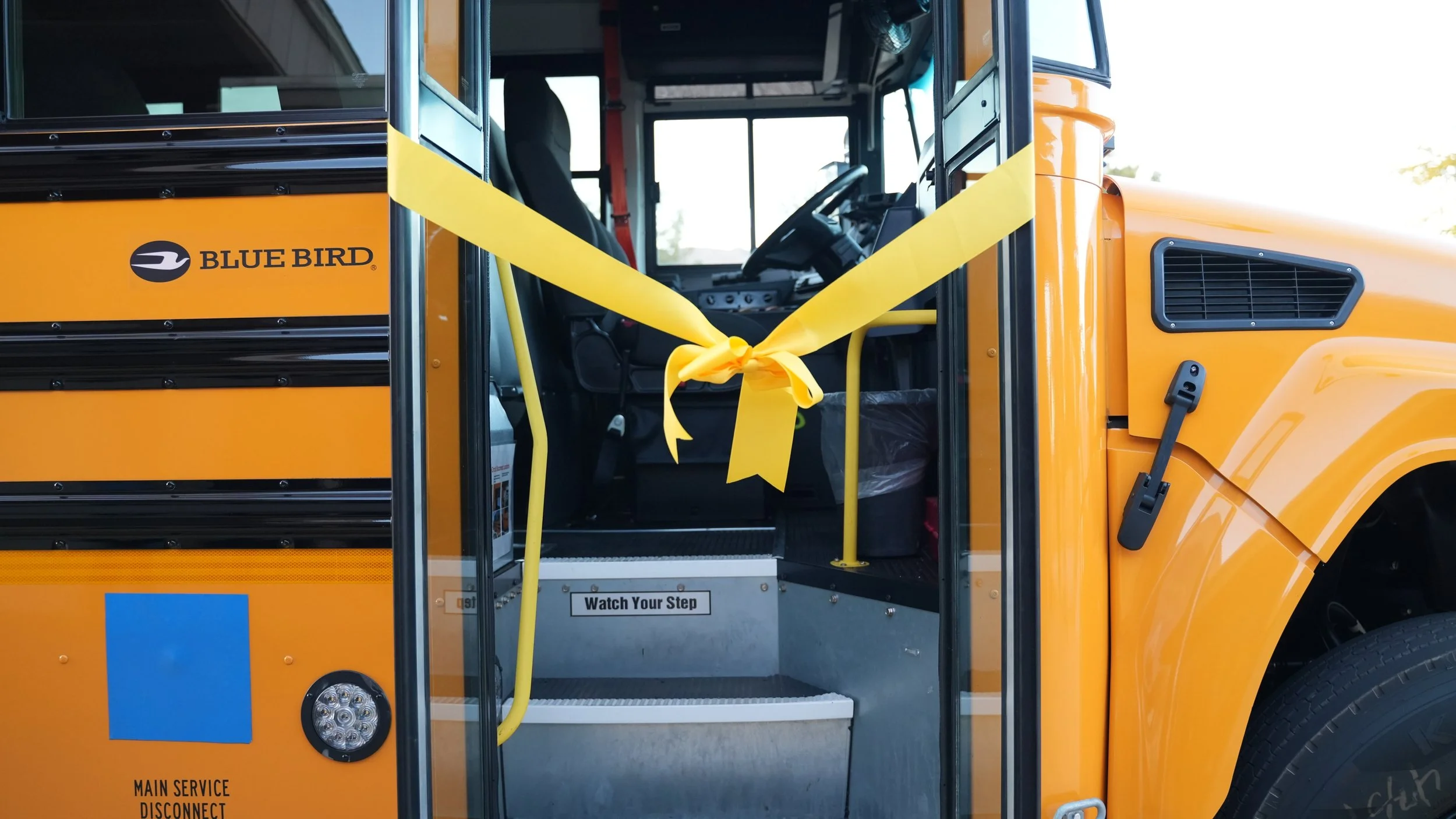
(credit: 204 Film)
Beyond the financial savings, Schumacher appreciates the positive environmental impact that the electric bus makes.
He loves the idea that neighborhoods will no longer hear the noisy, diesel-powered bus rolling through the streets, creating air pollution. Instead the EV bus will provide safe, cost-effective and cleaner transportation for local children.
“I absolutely have the moral conviction that we need to do more from an environmental standpoint,” he said. “We’re not just here to educate kids, but we’re here to care for the whole child.”
The EV bus, Schumacher said, “sends a message to the entire community that the school district is forward thinking and invested in our future.”
The Infrastructure Investment and Jobs Act, also called the Bipartisan Infrastructure Law, was passed by Congress and signed by President Biden in 2021. The law invests billions of dollars in federal funding into rural infrastructure, disaster assistance, high-speed internet and more.
Do you work for a rural Arizona town, tribe or nonprofit?
Local First Arizona’s Economic Resource Center may be able to help you find millions of dollars in grant funding. Visit localfirstaz.com/economic-resource-center to learn more.
