Eastern Arizona College: A Rural Engine for Economic Growth

Founded in 1888 as Arizona’s first community college, Eastern Arizona College (EAC) has been helping students achieve their dreams for more than a century. But it’s the institution’s long-standing commitment to community-driven economic development that made it the venue of choice for organizers of the 2025 Rural Policy Forum. Later this summer, when RPF delegates gather at EAC to tackle the opportunities and challenges faced by their communities, they won’t just be attending a conference — they’ll be stepping into a proof of concept.
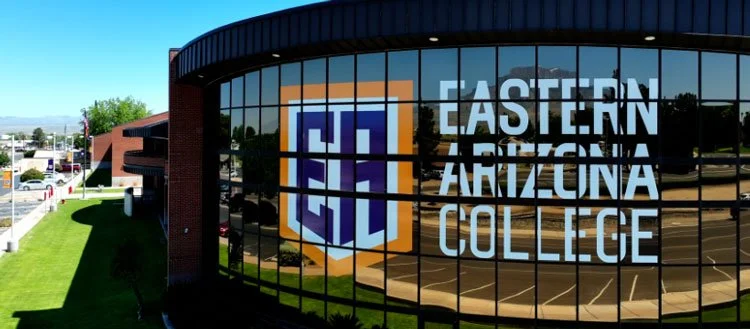
From its 62-acre main campus in Thatcher, EAC prepares students for in-demand careers in fields like nursing, engineering and the arts. (Fun fact: EAC is home to Arizona’s only college marching band and the #1 nursing school in the state according to RegisteredNursing.org.) The college offers more than 90 certificates and degrees, and many graduates go on to thrive at top-tier universities and firms.
But EAC’s impact goes far beyond the classroom.
In 2024, the U.S. Department of Education awarded EAC a $2.2 million grant to launch the Targeting Rural Accessibility to College and Career (TRACC) program. At its core is a new, fully staffed Career Service Center, designed to act as a bridge between the classroom and the workforce.
The Center connects students to internships, job shadowing and local employment opportunities — all informed by the real-time needs of regional employers. A task force of local entrepreneurs and business leaders helps guide the strategic direction of the Career Services Center, ensuring the college’s efforts are directly responsive to the community’s evolving needs. Tools like Handshake, a national career platform, help students compete in a modern economy while helping local employers tap into homegrown talent.

“We’ve already seen students placed in internships that explore careers,” said Alison Villalobos, EAC’s Career Service Center Director. “This kind of connection between classroom and community is exactly what rural Arizona needs.”
EAC is also a major economic driver for the region. The college generates an estimated $222.6 million annually for the local economy and supports 3,630 jobs. Programs like the Small Business Development Center help local entrepreneurs grow and sustain their ventures — often at no cost.
And this isn’t new territory for EAC. In 2021, the college teamed up with Local First Arizona to address Arizona’s rural mental health provider shortage. Through community listening, regional partnerships and a site visit to ASU’s Westward Ho, the faculty co-designed an Associate’s Degree in Social Work with real-world internships and stacked credentials. It’s a clear example of growing the rural workforce from the inside out.

By investing in infrastructure that connects students to hands-on opportunities, involving the community in shaping programs that reflect local realities and treating education as a catalyst — not just a credential — EAC offers a textbook example of how an educational institution can drive economic transformation across every facet of community life.
For Jenna Rowell, Director of Rural Development at Local First Arizona, these efforts reflect why Eastern Arizona College is the ideal venue for this year’s Rural Policy Forum.
“The Forum is Arizona’s premiere gathering of rural and tribal leaders, nonprofits, business owners and policymakers working to build stronger communities,” stated Rowell. “At EAC this August, Forum attendees will see what’s possible when higher education institutions are an integrated part of rural communities’ sense of place and potential.”
Related Information
Learn more about EAC’s Career Service Center