
Improving children’s mental health one deep breath at a time

Mindfulness First helps children and teachers learn to lower their stress and improve their well-being

Co-founder Sunny Wight
Sunny Wight and the staff at Mindfulness First work with Arizona students and teachers to practice strategies aimed at reducing stress and improving learning.
The exercises can include things like deep breathing, guided movement and pausing to notice one’s body, emotions and surroundings. Results often include better focus and concentration, emotional well-being and a more positive outlook.
The work has been transformative for the nearly 200,000 students and teachers at more than 400 schools who have participated in the past decade, Wight said.
One school in Flagstaff reported that it went from sending several students per day to the principal’s office to only two per week, while absenteeism dropped by 19% and the school’s state accountability grade went from a C to a high B.
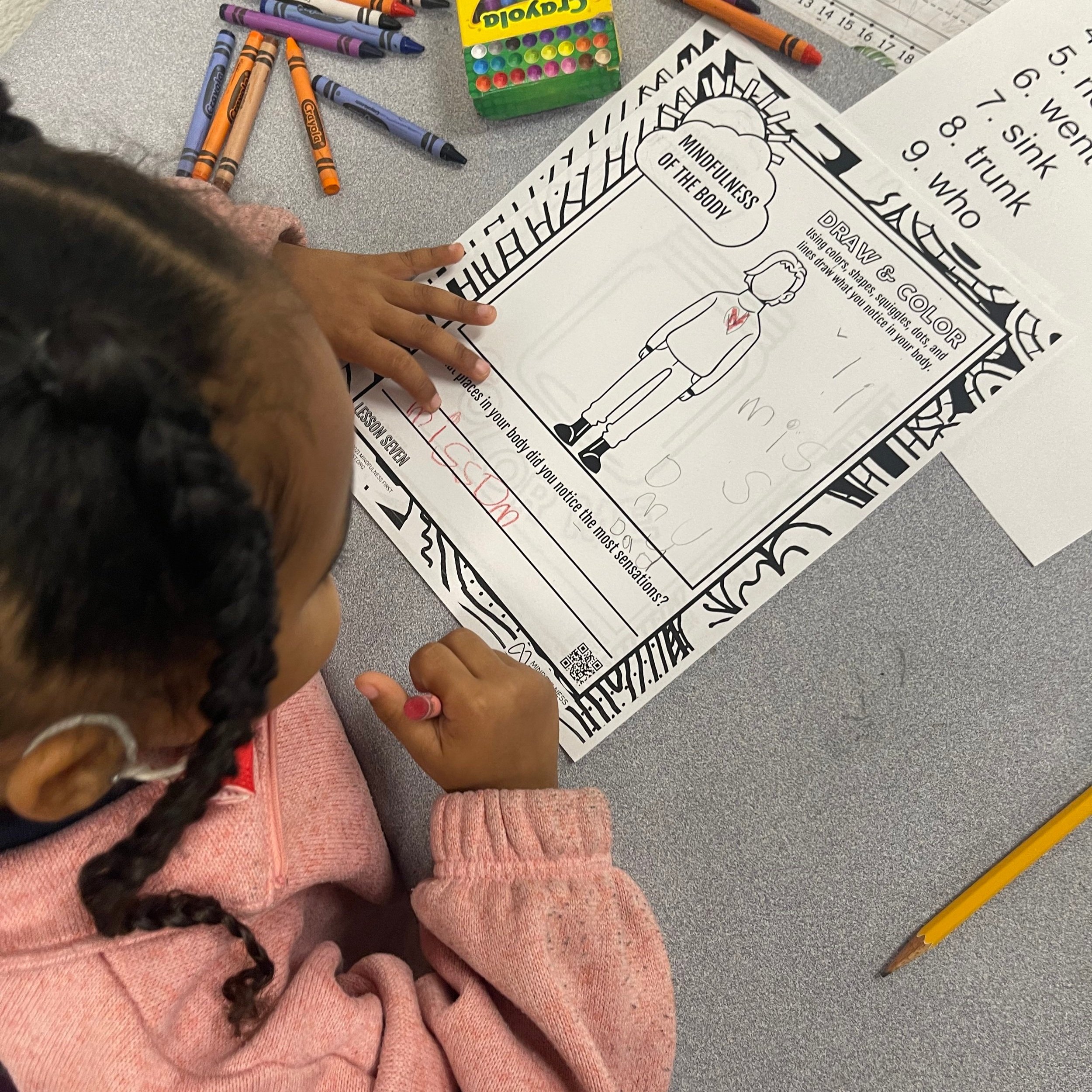
An Arizona State University study found that 94% of teachers found the mindfulness training to be helpful for themselves and their students and 98% planned to continue practicing mindfulness after taking the course.
The benefits have also trickled down to students’ homes after the school day’s final bells have rung. Instead of fighting with a sibling, for example, some students in the program choose to engage in mindfulness to diffuse rather than escalate a situation.
Children’s mental health suffered during pandemic
Wight herself relied on mindfulness practices to recover from a stress-induced breakdown before launching Mindfulness First with co-founder Kimberly Narde.
She said the work has been making an impact on students and teachers still grappling with the profound mental health impacts caused by the COVID-19 pandemic.
Statistics from the Centers for Disease Control and the Kaiser Family Foundation show parents reported a higher level of poor mental health among their children and nearly two-fifths of youth said they persistently felt sad or hopeless during that period.
Many children experienced social isolation, the challenges of virtual learning, their parents’ financial insecurity and even the deaths of family members.

Co-founder Kimberly Narde
“Mindfulness helps us recognize stress in our body and once we have that realization that stress is present, we can implement mindful breathing and other techniques to engage part of the nervous system that helps us relax, restore energy and move forward,” Wight said. “It’s not meditation or religion. We are focused on mental health wellness and mental health prevention.”
The nonprofit expanded quickly during the pandemic with the help of federal aid distributed by the Arizona Department of Education designed to help schools respond to the crisis.
“It was our best year ever,” Wight said. “We teach trauma-informed, mindfulness-based social-emotional learning. We teach you to be present in your body and be able to manage everything that happens. If you’re going to go into the body and do that work, it has to be trauma-informed because you’re going to bump into trauma.”
Finding new funding with Local First’s help
When the federal funding ended recently, Wight and her team knew they needed to find another source to replace it.
They turned to Local First Arizona for grant writing help.
In addition to project management, budget guidance and strategic planning, Local First’s Arizona Economic Resource Center offers eligible organizations, municipalities and tribal communities free grant writing support so they can secure competitive funding.
For Wight and her team, it was just the support they needed at a crucial time.
“Local First is just amazing. They helped us write a really difficult grant that we wouldn’t have known how to write.”
The grant from the Governor’s Office of Youth, Faith and Family ended up infusing the organization with about $900,000, giving the program back about half of the funding it had lost.
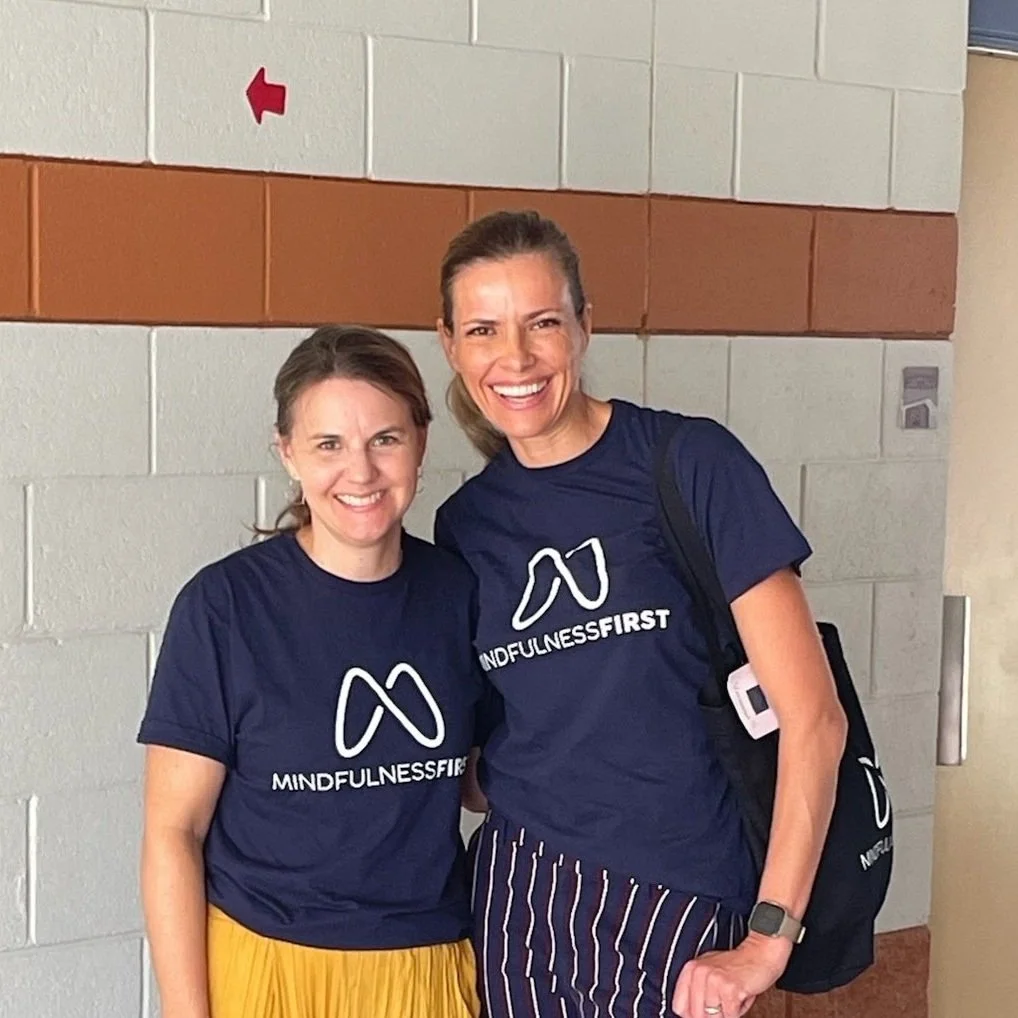
“It was really complicated, but because of Local First, they gave us someone to write the grant, who was amazing, and someone to help with the data collection,” Wight said. “We’re getting ready to go into the Tempe High School District and get back to work.”
‘We have to keep doing this work’
Before the funding lapse disrupted their work, Mindfulness First had a waitlist of schools that were eager to introduce their classrooms to insightful practices.
Wight said she hopes to secure additional grant funding for several years at a time to minimize disruptions. After all, there aren’t many organizations doing this type of work in schools.
“The pandemic isn’t over for children. Our experience is that our kids are still not anywhere near regulated. We have to keep doing this work, and we have to make it a priority, and schools need to be grounded in mental health,” Wight said. “I can’t express my gratitude enough for Local First. They have been a game changer for us.”
To learn more about Mindfulness First, visit www.mindfulnessfirst.org.
To request grant writing assistance from Local First Arizona’s Economic Resource Center, go to localfirstaz.com/economic-resource-center.
