
Indigenous-Focused Business Accelerator Celebrates Graduation Of First Cohort
Arizona is home to 22 federally-recognized tribes, which ranks the state among the highest in the nation for its concentration of indigenous people. That significant tribal influence not only adds vibrancy to the state’s culture, but it contributes heavily to Arizona’s economic engine.
By some estimates, more than half of the state’s agricultural land is managed by indigenous farmers and ranchers, meaning native-owned operations have a healthy stake in Arizona’s entrepreneurial community. And that’s just one industry.
At Local First Arizona, we recognized not only the contributions that indigenous entrepreneurs have on the state’s economy, but also the very specific challenges that native-owned businesses may encounter. To address those issues head on, we developed the Rooted Native Business Accelerator, an intensive program designed for native business owners. Put simply, the program doesn’t just offer business training, it offers business development rooted in sovereignty, culture and economic self-determination. The first cohort graduated earlier this year.
“Being an indigenous entrepreneur is different from being a mainstream entrepreneur,” said Molita Yazzie, who manages tribal community connections at Local First Arizona. “The cultural aspect is huge.”
The Intersection Of Business Ownership And Native Culture
Native entrepreneurs face a unique set of structural barriers shaped by generations of colonization, continued redlining practices and the complexities of working across 22 tribal land tenure systems encompassing more than 150 distinct communities. Many entrepreneurs also find themselves navigating “two worlds” — indigenous and non-indigenous — while working to create businesses within systems not designed for them.
Those structural and situational barriers can limit opportunities to build or demonstrate confidence. The Rooted Native Business Accelerator puts those realities on the table, helping participants better understand the challenges they face while embracing strategies to navigate them.
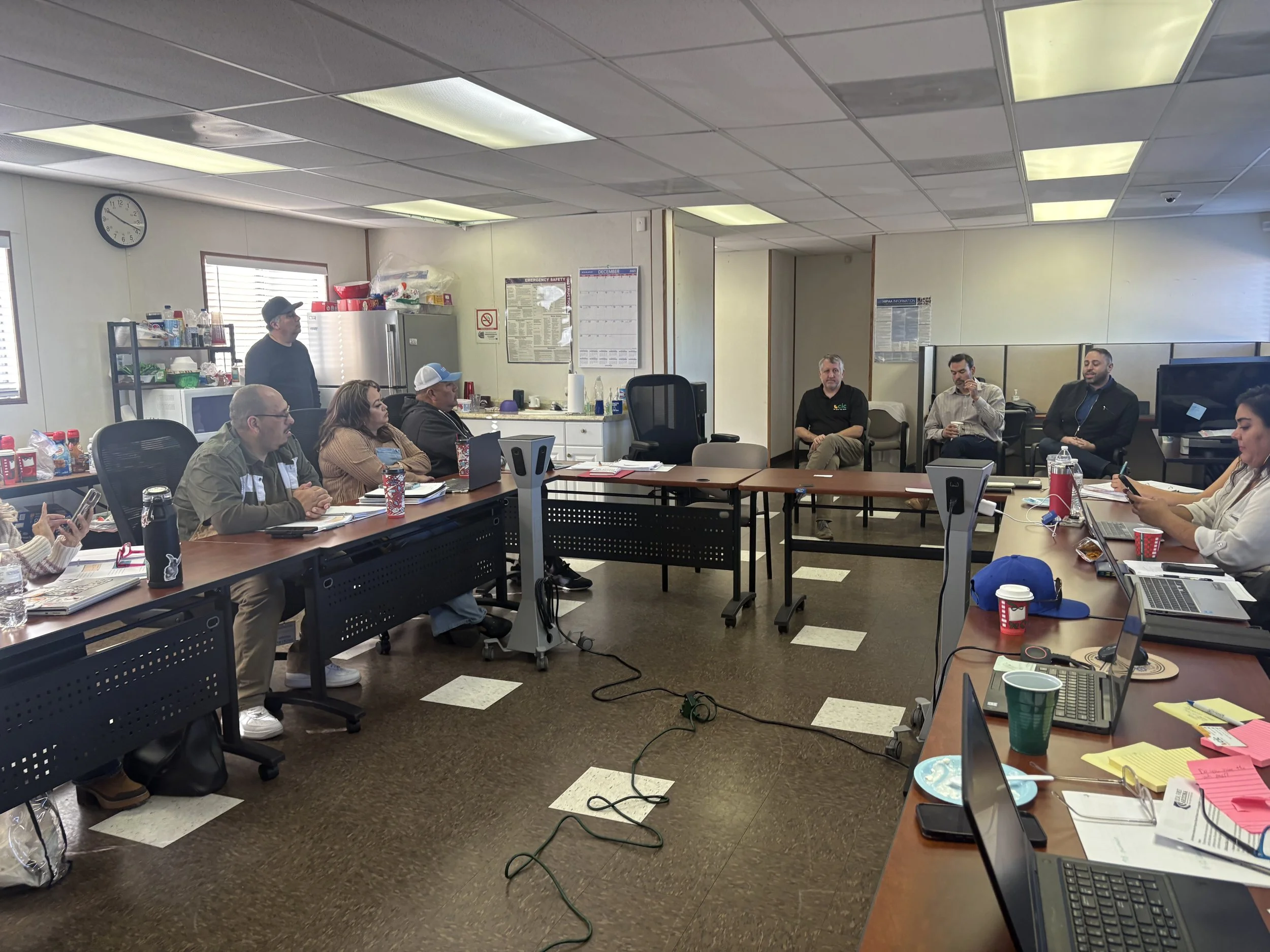
Members of the first cohort of Local First Arizona’s Rooted Native Business Accelerator
Some of the issues are intertwined. Yazzie said the overlap that exists between colonization impacts and capital inequities can’t be minimized.
“In mainstream business, you can use your land as collateral. In native communities, that’s not possible. It’s held in trust by the federal government,” Yazzie said. “You’re on trust land and have been there for hundreds of years, but it’s not your land. It’s federal property.”
In rural areas, where many tribes are based, options for financing are limited, making access to capital a challenge. When the lack of collateral is folded into the equation, as can be the case with indigenous entrepreneurs, it can make financing nearly unattainable.
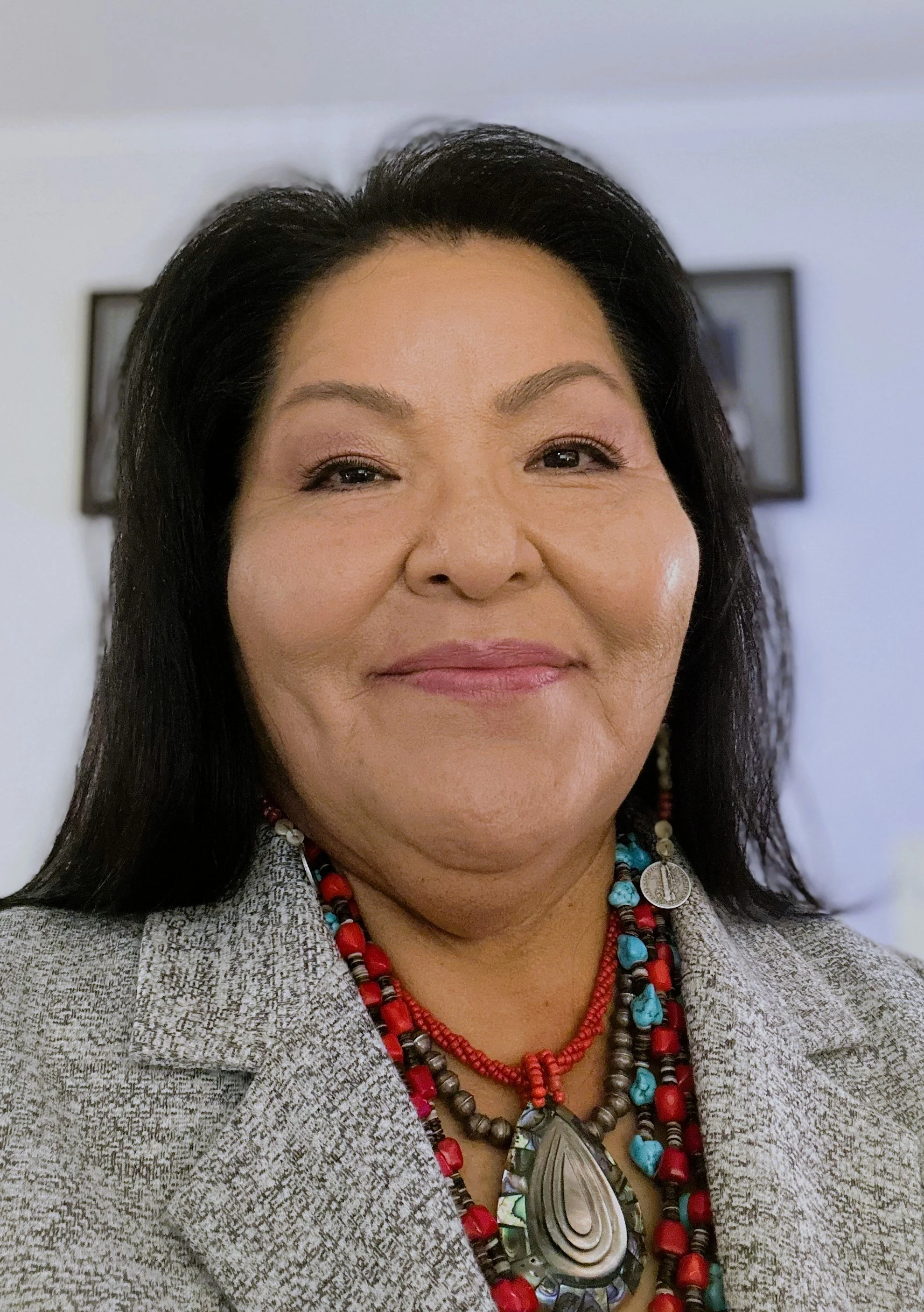
Molita Yazzie
It’s one of the reasons the graduates of the six-month program, which included virtual and in-person sessions, can consider the option of Local First Arizona’s new Rooted Relative Fund. With a community-centered lending approach, the fund offers loans at favorable rates to indigenous business owners as a means of creating greater access to capital for those who are otherwise challenged to tap into it.
Beyond capital, the business accelerator also tackles cultural mindsets in a variety of ways. The program offers a class on how to create a psychologically safe environment for employees and it hosts a session dedicated to dealing with imposter syndrome, which Yazzie said is undeniably present in indigenous communities and cannot be overlooked.
“It offers business development rooted in sovereignty, culture and economic self-determination.”
As part of its culturally-relevant approach, the boot camp also takes note of the communal nature that is inherent in indigenous culture, which often deviates from a more individualist mindset embraced by mainstream business owners.
“The needs of the community are a priority, the needs of the family are a priority,” Yazzie said. “The values are different. We focus on how those values have an impact on the business, too.”
Putting Tools To Work
The first students, from the Pascua Yaqui and Tohono O’odham Nation, graduated from the program in February. Graduates included a diverse cross section of entrepreneurs, from SEO specialists to food-based businesses to app development, construction management and fashion design.
Graduates left the program with a complete business plan. They each had to do a business pitch, and they each walked away with an improved understanding of their financial landscape as well as the tools that were available to support them.
One of the graduates said the experience humbled her, as it allowed her to take a step back and appreciate the community from which she came. Another said the experience reminded her that any indigenous effort is always a communal one, always a matriarchal one and always one that has the support of the community behind it.
Despite the success and impact of the first Rooted Native Business Accelerator, it will only move forward if a new source of funding becomes available. Yazzie said programs like these, operated by entities like Local First Arizona, are important because tribal governments often only have the capacity to concentrate on critical infrastructure programs. This type of dedicated support, at no cost to the entrepreneur, with input from indigenous business leaders, is not only invaluable but hard to come by.
“A lot of the program focused on strengthening the businesses through culturally grounded training, technical assistance and financial matching. And during the process, we really fostered community connection and economic resilience and tried to build a strong foundation for long-term business growth,” she said.
Fostering native-owned businesses, and helping them grow, makes sense for all the same reasons that Local First Arizona advocates for supporting local businesses. It keeps money local, by circulating investment at a community level, which is just as important to indigenous communities as it is to any other community.
“It helps the local economy and keeps money in the community. It’s important for tribal communities as well,” Yazzie said. “It’s critical for sustaining the community, the tribes, the families.”
To learn more about Local First Arizona’s Tribal Connections, or to support the continuation of the Rooted Native Business Accelerator, click here.