

Veteran Family housing at Esperanza En Escalante. Image courtesy of @eeeveterans

Suzanne Bond, Executive Director of Esperanza En Escalante with team members. Image courtesy of @eeeveterans

University of Arizona Nutrition and Wellness students lead a cooking class for Esperanza residents. Image courtesy of @eeeveterans
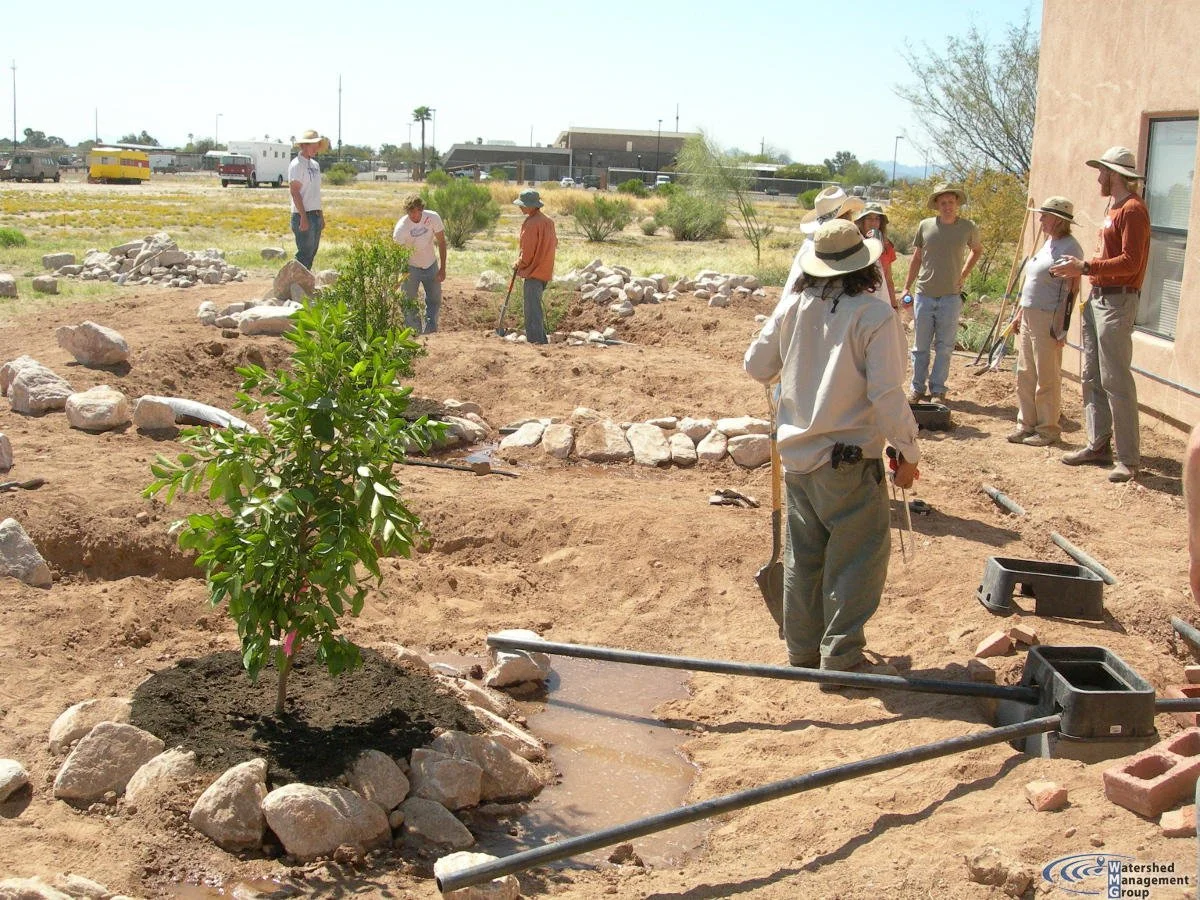
Local First member organization Watershed Management Group leads a greywater workshop at Esperanza. Image courtesy of @eeeveterans
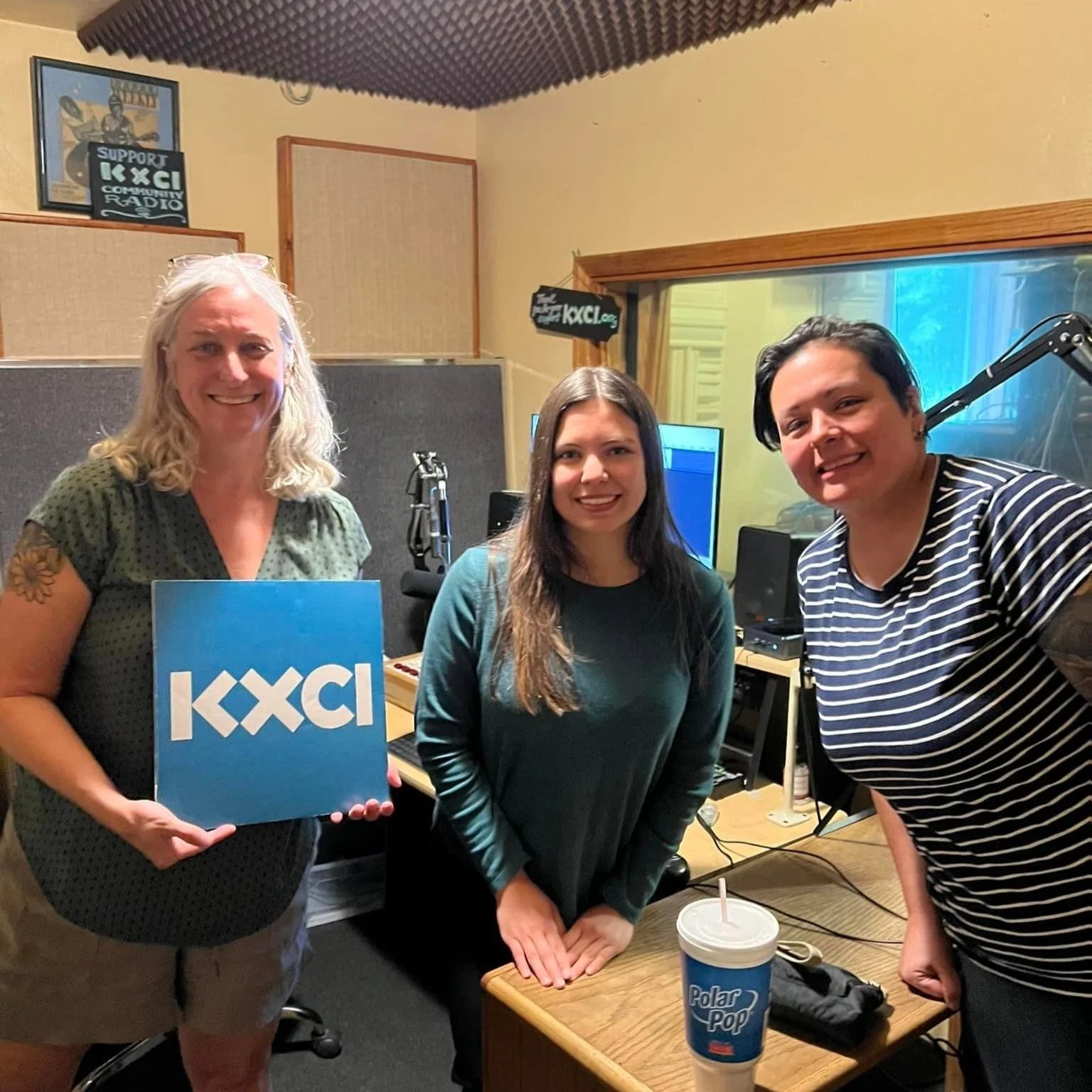
Esperanza’s staff is interviewed by Local First member organization, KXCI Community Radio. Image courtesy of @eeeveterans
On any given night, 50,000 U.S. veterans are homeless and living on the streets — that’s 23% of the country’s homeless population. 25% of these heroes who have fallen on hard times seek help from programs like those offered by Local First Arizona community partner, Esperanza En Escalante.
Partnering with the City of Tucson, the State of Arizona and the Veteran's Administration, Esperanza provides Tucson veterans and their families with safe, secure transitional housing for up to two years. Additionally, Esperanza clients have access to an array of supportive services designed to help them find employment, schooling and permanent housing so that they will be able to lead productive, self-sufficient lives.
This year alone, Esperanza’s community-led, holistic support system has assisted 71 veterans — men, women, and families — transition from homelessness into homes of their own. To learn more, we recently reached out to Suzanne Bond, executive director of Esperanza En Escalante.
Q: How long has Esperanza En Escalante been around?
A: I have been with them for just over a year and a half. But the organization has been operating in Tucson since 1989. It was started by a group of Vietnam veterans who were worried about homelessness among vets in Tucson. Our primary service is housing.
Q: What type of housing do you offer?
A: We received 19 acres donated to us by the (Davis-Monthan) Air Force base. We have 25 transitional buildings and we have 48 units of housing for veterans over 55. And, we have 50 units of family housing. Through our transitional program, where we work with about 250 veterans per year, about 80% of those folks will be successful and move out of our program and into their own home. Our goal is to get them established and keep them established. We’ve been pretty good with that.
Q: What are some of the biggest challenges you’re seeing among the veterans you serve?
A: We’re still seeing a lot of Vietnam veterans and they are an aging population. One of the challenges for us is they need services that aren’t available. That’s one thing I’d like to develop here. Younger veterans have tons of post-traumatic stress and depression and many have been touched by the fentanyl and methadone crisis. That’s a high burden to carry when you’re trying to get back on your feet and reintegrate to the life you once had.
Q: What have you learned about the veteran community?
A: The veteran community looks out for each other in an amazing way. They will give each other their last dollar to help each other out. They create a feeling of safeness for each other that is so critical and they can relate to each other. We find a lot of healing comes just from putting them in a community with like-minded people.
Q: Can you explain some of the employment-related challenges veterans face?
A: A lot of times when veterans leave the military, they leave a protected shell where someone is telling them what to do every day and they have housing and a job. And all of a sudden they don’t have that direction. So it really can be a struggle for veterans. If you’re a combat veteran, nobody is going to hire you to act in that way. So it’s often not a transferable skill. The essence of being in the military can be very restrictive in leaving and getting a job in the community. A lot of times they’re trained to be hot wired. They often come back with so much trauma. They’re not sleeping. They’re trying to take care of their family but they can’t take care of themselves.
Q: What specific challenges is the military community facing in Tucson?
A: They’re having a mission change at the base, so we’ll see a lot of workforce shifting, and that could mean a lot of unemployed military members over the next couple of years. There needs to be a lot of social support. The military isn’t great about retooling people. So it’s a difficult time for people in that way.
Q: What do people misunderstand about homeless veterans?
A: There are a lot of assumptions about homelessness. If I can center people on the realities of who these people are. They are human beings with value and worth and they need people to give them a chance. They need the community to look out for them like they looked out for us.
I wish everyone was like veterans in the way they take care of eachother. It’s really beautiful and I wish we could all be a little more like that. Because the reality is, so many people are living on the edge of homelessness.
On November 20, Local First and HUSTL Financial will host a panel discussion, “Built to Lead: The Veteran Edge in Today's Workforce.” Panelists will discuss the challenges veterans face in transitioning to the civilian workforce, share insights into how their service prepared them for new roles, and provide employers with strategies to recognize and utilize veterans’ strengths effectively. For more information and to RSVP, visit the Local First Arizona website.
Related
Learn more about National Veterans Small Business Week
Search the National Veterans Small Business Week events directory for related webinars, in-person events, or training sessions near you
Consider ways you can support Esperanza En Enscalante’s work