
Arizona Summer Savings: Simple Choices That Save Water, Energy and Money

Arizona summers reveal something interesting about how we live.
Every year, as temperatures climb into the triple digits, our water and energy use climbs with them. Air conditioners work overtime. Landscapes demand more irrigation. Utility bills arrive with a little extra sting.
But summer also reveals something else: small changes can have an outsized impact—not only on your monthly bills, but on the resources Arizona communities depend on every day.
For Nick Shivka, senior manager of sustainability initiatives at Local First Arizona, conservation isn't about sacrifice. It's one of the simplest ways people can improve their own finances while benefiting the communities around them.
“If you save energy and water, you’re going to save money. If you save energy and water, it’s better for the environment. And if you save energy and water it’s better for the community,” he said. “It’s a triple threat, bottom-line benefit. You’re benefiting yourself, benefiting other people and the environment as a whole. You’re crazy not to do it.”
The Triple Win
✔ Save money.
✔ Protect Arizona's resources.
✔ Strengthen your community.
The best part about the most common conservation practices that individuals can adopt is that they don’t involve heavy lifting. They’re easy, many times low-cost or cost-free, and they not only support a healthier environment but they lead to measurable cost savings.
Simple Ways To Conserve Water

Humans have a way of settling into habits, even if some of those habits may be detrimental. We run dishwashers and load laundry on autopilot, checking the tasks off our to-do lists while very likely never considering beneficial adjustments that could be right in front of our eyes.
Shivka encourages people to begin with something surprisingly simple: curiosity.
Pull out your latest water bill. How many gallons did you use? Is it more than last month? Are there unexpected spikes? Establishing a baseline not only helps you measure progress, it can also reveal leaks or inefficiencies you didn't know existed.
“Are there spikes or far less usage that you can learn from?” he said. “You can also see this is about what I pay now, so if I’m going to make a change, I’ll know if I’m paying less money.”
The biggest opportunity to reduce water use is actually outside. Shivka said that up to 70% of a home’s water usage is spent on landscaping, which means an exterior audit of how you’re utilizing water is critical to conserving it.
Simple adjustments that can help save water, even in the hot summer months:
Plant climate-adapted or native plants.
Use drip irrigation instead of hand watering.
Put irrigation systems on timers.
Check irrigation systems regularly for leaks.
Collect or redirect rainwater to landscape areas.
“The cool thing about all of these tips is business owners can use them, too,” Shivka said.”
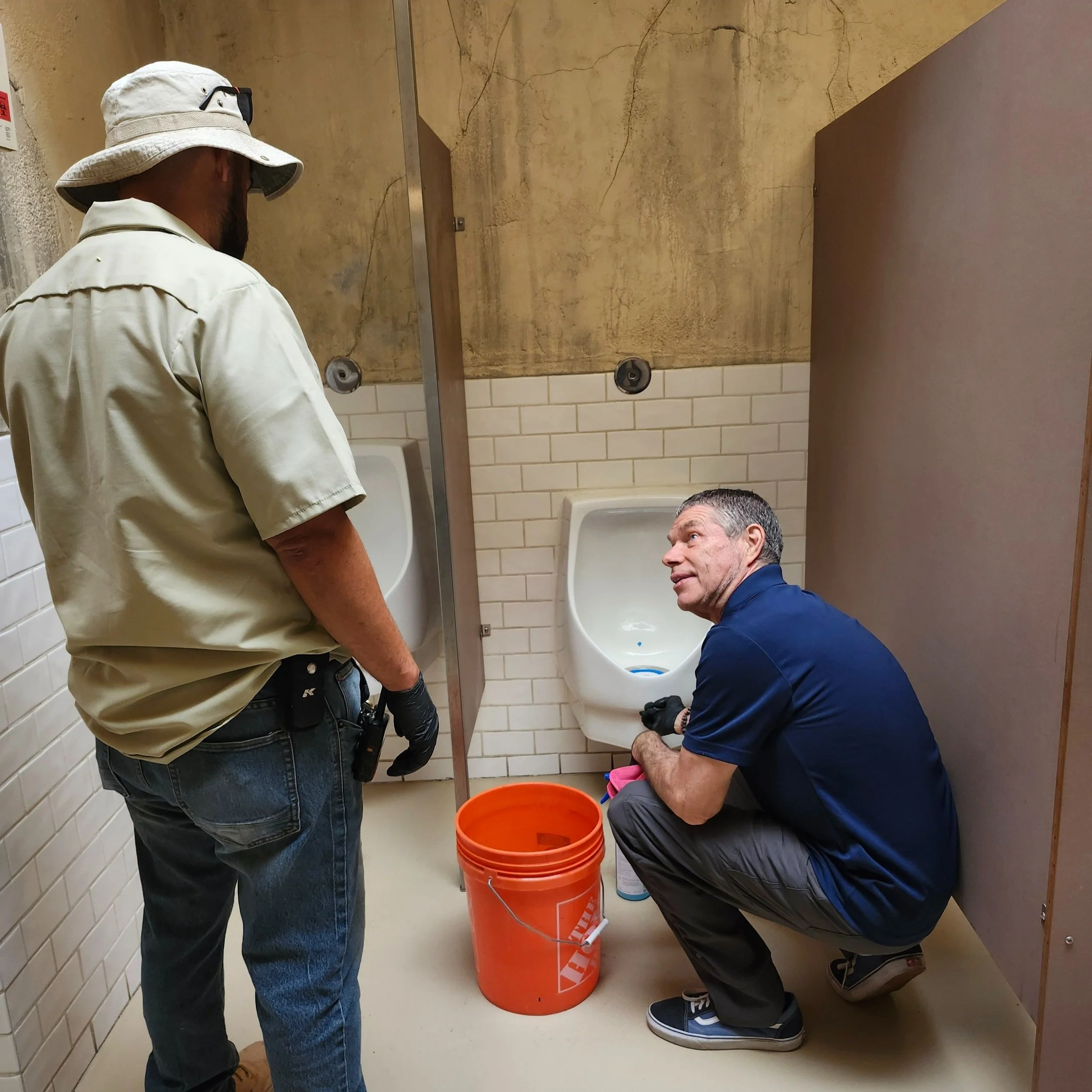
Reid Park Zoo in Tucson installing EcoBlue toilets
The encouraging part is these ideas aren't theoretical. In fact, Image Craft in Phoenix did just that and they’ve cut their outdoor water usage by more than 50%. The company participated in Local First Arizona’s Green Business Boot Camp and chose water conservation as their project for the class. Other businesses have also had success, with guidance from Local First Arizona.
While earning a Green Business Certification through Local First Arizona, the Reid Park Zoo found ways to reduce their water use by 600,000 gallons a year. And because Tucson covers the cost of the zoo’s water bill, that reduction in water usage actually translated to taxpayer savings. Most of the water conservation adjustments the zoo made were related to public-facing restrooms, where high-efficiency faucets, urinals and toilets were installed.
The town of Camp Verde did something similar, saving nearly $40,000 and more than 591,000 gallons of water after installing more efficient faucets, toilets, showerheads and urinals.
Conserving Energy, The Easy Way
Anyone who has lived through an Arizona summer knows that air conditioning makes a big impact on utility bills. And the funny thing about air conditioning units is that the harder they work, the hotter they make the air immediately outside a home — where the sun is already making the air hot.
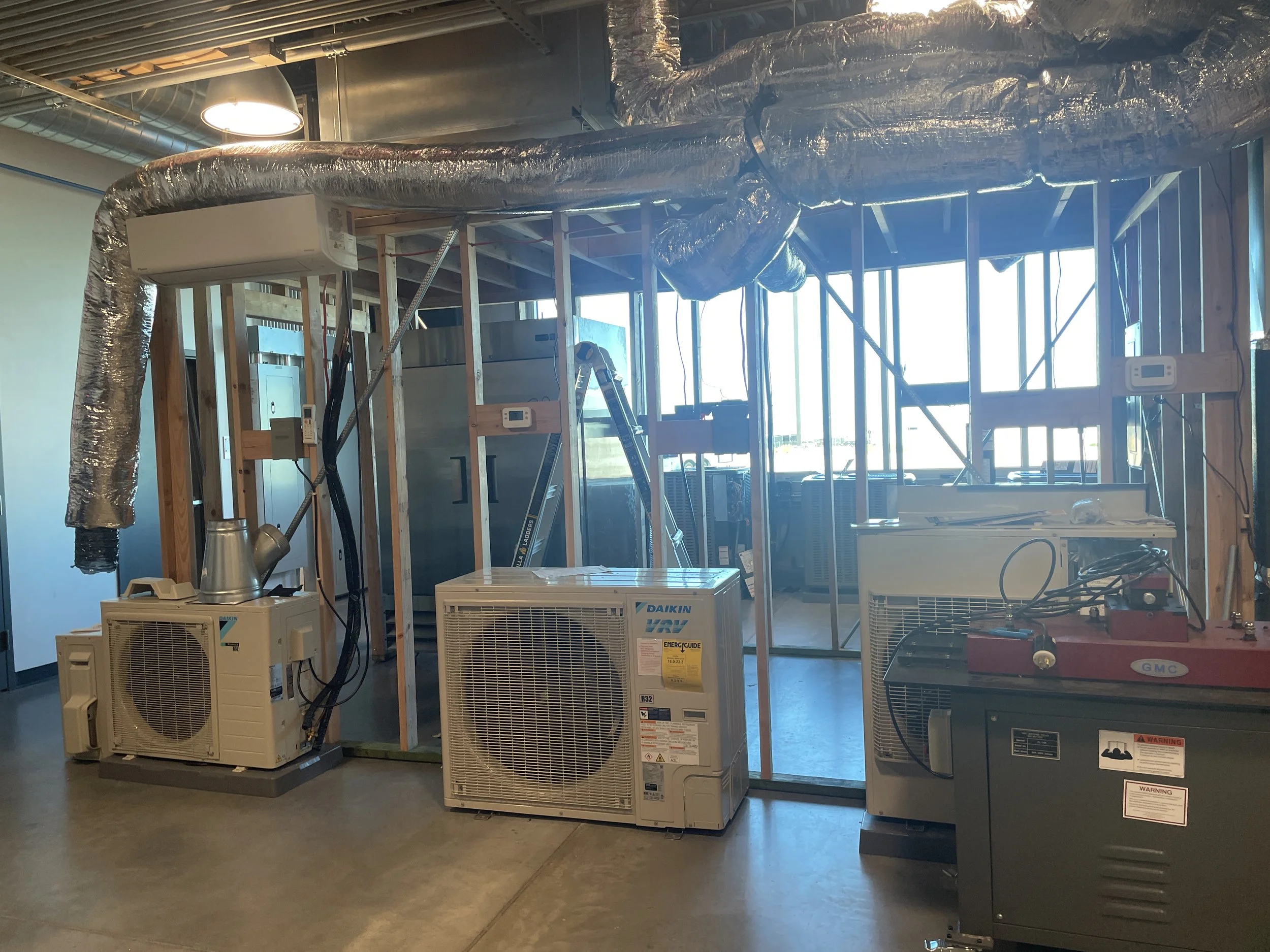
“It means the air conditioner has to work even harder,” Shivka said. “It’s a positive feedback loop. The byproduct of air conditioning is heat, which is crazy. If everyone did their part, then air conditioners wouldn’t have to work as hard and everyone would spend less money.”
Small changes, when it comes to keeping your home cool, can make a big difference. Shivka said cooling a home in the morning, when outdoor temperatures are cooler and rates are lower, makes a lot of sense. And setting a thermostat to no lower than 76 degrees in the summer is optimal. To take your energy efficiency up another notch, install a programmable thermostat.
“Both APS and SRP offer incentives for people to switch to a programmable thermostat,” he said. “It’s so helpful because it will pick the most efficient schedule for you.”
Shivka said swapping old lightbulbs for energy efficient LEDs is a move that will produce an immediate return on investment. And making a habit of changing air conditioning filters regularly helps maintain efficiency. If you have to set a calendar reminder to change it, it’s worth it, he said.
In addition, using ceiling fans to circulate air helps to keep the temperature down. And using window coverings — from shades to window films — to keep the heat out during the hottest parts of the day is a smart way to control the temperature inside. Finally, most utilities offer a free energy audit or assessment that could expose opportunities for improved efficiency.
“There may be things going on that you don’t know about,” Shivka said. “They’re a great diagnostic tool that could help you save a lot of money.”
Investing In Conservation For A Sustainable Future

Nick Shivka joins Drink Me Tea Room for their grand opening
While conservation efforts linked to water and energy consumption can often be described in terms that involve sacrifice, these small but mighty investments actually support long-term resiliency and sustainability. As a consumer, choosing to spend your money with local businesses that prioritize conservation by implementing energy-conscious and water-efficient practices is yet another way to quietly create an impact.
After all, when sustainability-minded business owners thrive, the resources available for everyone else go further. When more businesses find ways to reduce waste, conserve resources and operate efficiently, the benefits extend beyond their own bottom line. What that looks like in practice is choosing to meet a friend at Drink Me! Tea Room, choosing to order pizza from Spinatos, enjoying a beer at AZ Wilderness Brewing Co., placing your money with Vantage West Credit Union and cleaning up with Naked Fig Soap.
Each of these business owners, and dozens of others who have achieved a Green Business Certification or participated in the Green Business Boot Camp offered by Local First Arizona, have implemented water or energy efficiency plans. By putting in that effort, they have recognized that the consumption of these resources is a responsibility everyone has — not just to themselves but to each other.
None of these actions are dramatic. That's exactly why they matter.
Conservation isn't driven by one breakthrough or one perfect solution. It's built through thousands of everyday decisions made by households, businesses and communities across Arizona.
"For water and energy, if everyone does their part, it would be incredible," Shivka said. "Combined, the impact is monumental."
Those who live in Arizona have always found ways to work with the environment. Conservation is simply one more way we help ensure our communities—and the people who call them home—continue to thrive.
Related Resources:
Looking for businesses that are reducing waste, conserving resources and investing in a stronger local economy? Explore Local First Arizona's Green Business members and discover how Arizona businesses are building a more resilient future.
Are you an Arizona business owner who wants to learn more about implementing environmentally friendly practices? Local First Arizona’s Green Business Support can help.