
What is the history of how Earth Day started?
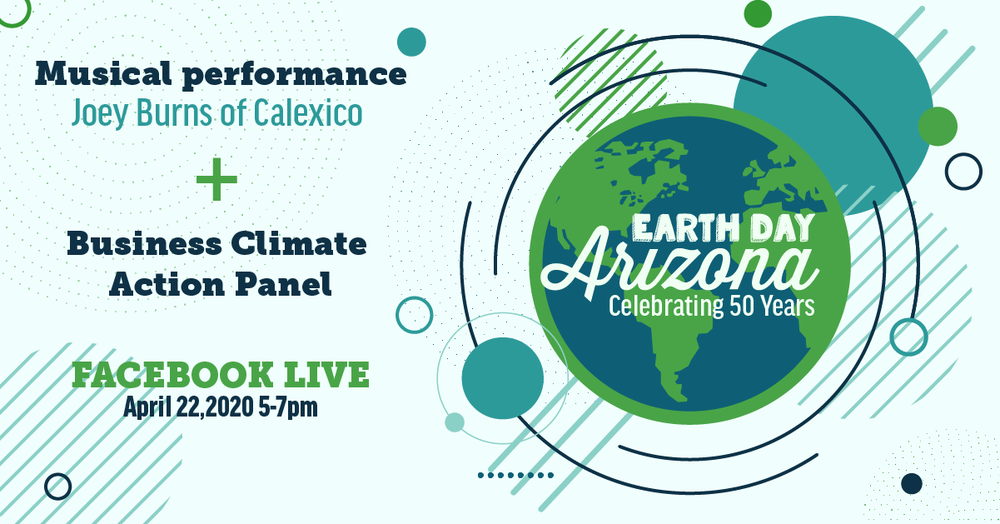
April 22, 2020 marks the 50th anniversary of Earth Day! Back in 1970, a rising awareness of environmental issues such as air pollution and oil spills in mainstream America led to the effort of a nation-wide coalition of policymakers, students, organizations, and others to inspire demonstrations aimed at ending the harm caused by environmental degradation.
By the end of 1970, the first Earth Day led to the creation of the United States Environmental Protection Agency and the passage of first-of-their-kind laws such as the Clean Air Act, the Endangered Species Act, and the Clean Water Act.
In 1990, Earth Day went global, mobilizing 200 million people in 141 countries and lifting environmental issues onto the world stage.
Today, Earth Day is widely recognized as the largest secular observance in the world, marked by more than a billion people every year as a day of action to change human behavior and create global, national and local policy changes.
Learn more about Earth Day history here.
What is climate? What is climate change?
Climate is the average of the weather patterns in a location over a long period of time (as opposed to weather, which is measured over a short time and changes every day).
Climate change is a long-term change in average weather patterns on a global scale, and the effects of that change. Changes observed in Earth’s climate since the early 20th century are primarily driven by human activities, particularly fossil fuel use, which increases heat-trapping greenhouse gas levels in Earth’s atmosphere, raising Earth’s average surface temperature.
The impacts of climate change include more extreme weather and natural disasters, chronic droughts, and economic instability.
Here are some good short climate change explainer videos:
What is the greenhouse effect?
The greenhouse effect is the way in which heat is trapped close to the surface of the Earth by greenhouse gases like carbon dioxide and methane, which act as insulation for our planet. This effect is naturally-occurring, but in the last century or so, humans have been burning fossil fuels that give off additional carbon dioxide into the air. The level of carbon dioxide in Earth’s atmosphere has been rising consistently for decades and traps extra heat near the surface of the Earth, causing temperatures to rise.
What is a carbon footprint?
A carbon footprint is the total amount of greenhouse gases (including carbon dioxide and methane) that are generated by our actions. The average carbon footprint for a person in the United States is 16 tons, one of the highest rates in the world.
What's the difference between climate change and global warming?
Global warming is defined as the human-caused long-term heating of Earth’s climate system since the pre-industrial period (1850-1900), while climate change refers to both human- and naturally produced global change, and encompasses the effects it has on our planet. Global warming is one major aspect of climate change.
What does resiliency mean and how does it relate to climate change?
Resiliency is the capacity for communities and ecosystems to persist in the face of adversity. Because many communities will experience disruption due to more extreme weather events resulting from climate change, what they do now to increase resiliency will make a big difference to their continued well-being in the future. Climate-resilient communities are able to adapt, evolve, and innovate in order to absorb stresses caused by climate change and maintain function in turbulent times.
What is environmental justice?
The EPA defines Environmental Justice as “the fair treatment and meaningful involvement of all people regardless of race, color, national origin, or income, with respect to the development, implementation, and enforcement of environmental laws, regulations, and policies.”
Environmental Justice is an important part of the struggle to improve and maintain a clean and healthful environment, especially for those who have traditionally lived, worked and played closest to the sources of pollution.
Here’s a good short video: Environmental Justice, Explained
How are COVID-19 & climate change related?
Such an important conversation! We wrote this blog to help answer that question.
Why does Local First Arizona have sustainability programs? Why is local sustainable?
Local First Arizona’s sustainability programs focus on both businesses and the community, helping local businesses prepare for the future by finding solutions to lessen their impact and empowering citizens to play a role in making Arizona a resilient state. Our local businesses have set themselves as leaders in creating a more resilient and sustainable Arizona.
Sustainability is a key component of a self-sufficient, healthy, and prosperous life for all Arizonans as we face the effects of climate change on our region.
Where can I get more information about Local First Arizona's sustainability programs?
We have a variety of programs for business, consumers, volunteers and people who just want to learn more! Check it all out on our Local First Sustainability page.
How can I support local businesses during COVID-19?
There are many different ways to support local businesses during this time. One way is to use our support local tool. We keep it up to date so you know what businesses are still providing goods and services.
How can I be more sustainable at home during COVID-19?
There are many ways to be sustainable at home right now including shopping local, and using businesses who are certified through our Green Business Program. We figured you’d be interested so we wrote this blog to get you started!
Analyze your energy use with a virtual home energy assessment. Though these are specific to APS and SRP you can fill out the survey and get results on where you should focus your energy to conserve your home’s energy!
Check your water use with a Home Water Audit from one of our partners, Water Use It Wisely. EcoBlue in Tucson also has great resources and provides consulting for businesses. You can also use this time to find those pesky leaks! Fix a Leak Week was only a few weeks ago, so this blog is up to date on what you can do!
Buy local food. Check out your nearby Community Supported Agriculture (CSA), in which a farmer or group of farmers offer subscriptions to the foods they grow and pre-package it, and you can pick it up at the closest location to you. If you are looking for groceries and don’t want to go to the grocery store, our local restaurants are now able to sell the staple goods you need. Read more about that here! Pivot Produce, which normally brings local farmer products to local restaurants in Tucson, has even shifted to offer produce boxes for individuals & families via delivery.
Get on your bike! We have some great resources for purchasing a bike, getting a bike repair or finding some accessories to make the ride more enjoyable. Check out a statewide bike shops here.
Reduce & redistribute your waste. If you are interested in volunteering or supporting redistributing wasted food to places it can go, check out WasteNot. If you are interested in composting at home made super easy check out Recycled City (they also have a brand new CSA program!) Iskashitaa Refugee Network reduces food waste in Tucson while helping integrate refugees into the community, and they are looking for volunteers! Recyco in Tucson takes metal scraps and turns them into recycled treasure at their two drive thru facilities. Cero is a new zero waste shop in Tucson, making it possible to buy goods without all the plastic & unnecessary packaging!
Start a garden. Over at Dig It Gardens they have innovated their experience for you! You can both shop online and reserve a 30 minute appointment to walk through their location alone. You can zen out in their garden while planning your own zen garden! Buy some cool native plants at Spadefoot Nursery in Tucson - they even have online ordering & pickup for COVID-19! Over at the Urban Farm they have free lessons for you in how to plant, grow and produce a successful urban little farm. For tips on building a garden that is perfect for your home or apartment, visit Good Food Finder.
Get your to-go happy hour from green businesses! Adventurous Stills is Certified through our Green Business Program and also innovating their operations at this time. You can order a bottle to go (or for delivery if you are close to them) and order up to two bottles of hand sanitizer that they are creating from what used to be waste! Arizona Wilderness Brewing Co. is still working on incredible collaborations and releasing new brews every week! Borderlands Brewing Co. completed the Tucson-based SCALE UP in 2018, and has remained committed to sustainability and climate resilience in Arizona. Check out other local breweries, wineries, and distilleries throughout the state on the Local First Arizona directory.