
Does Your Business Have a PR Plan?
The truth is that most businesses do not have a public relations (PR) plan. We are all busy and the idea of creating and structuring a formal PR plan gets deprioritized below operations, sales, and even marketing. Most businesses only think of PR when they launch a new product, open a new site, make a key hire, or do something that is “newsworthy.”
PR isn’t an “every once in a while” activity. It’s continuous. More definitively, public relations is the continuous management of your brand’s positive perception.
PR involves developing and managing strong relationships with relevant community, association, and business leaders. Regular communication and engagement also extend to influencers in your market who may be stakeholders, partners, bloggers, journalists, and key customers.
PR is not just publicity or an occasional press release. It is a comprehensive set of related activities that protect, position, and promote your brand without paid advertising. PR’s activities include:
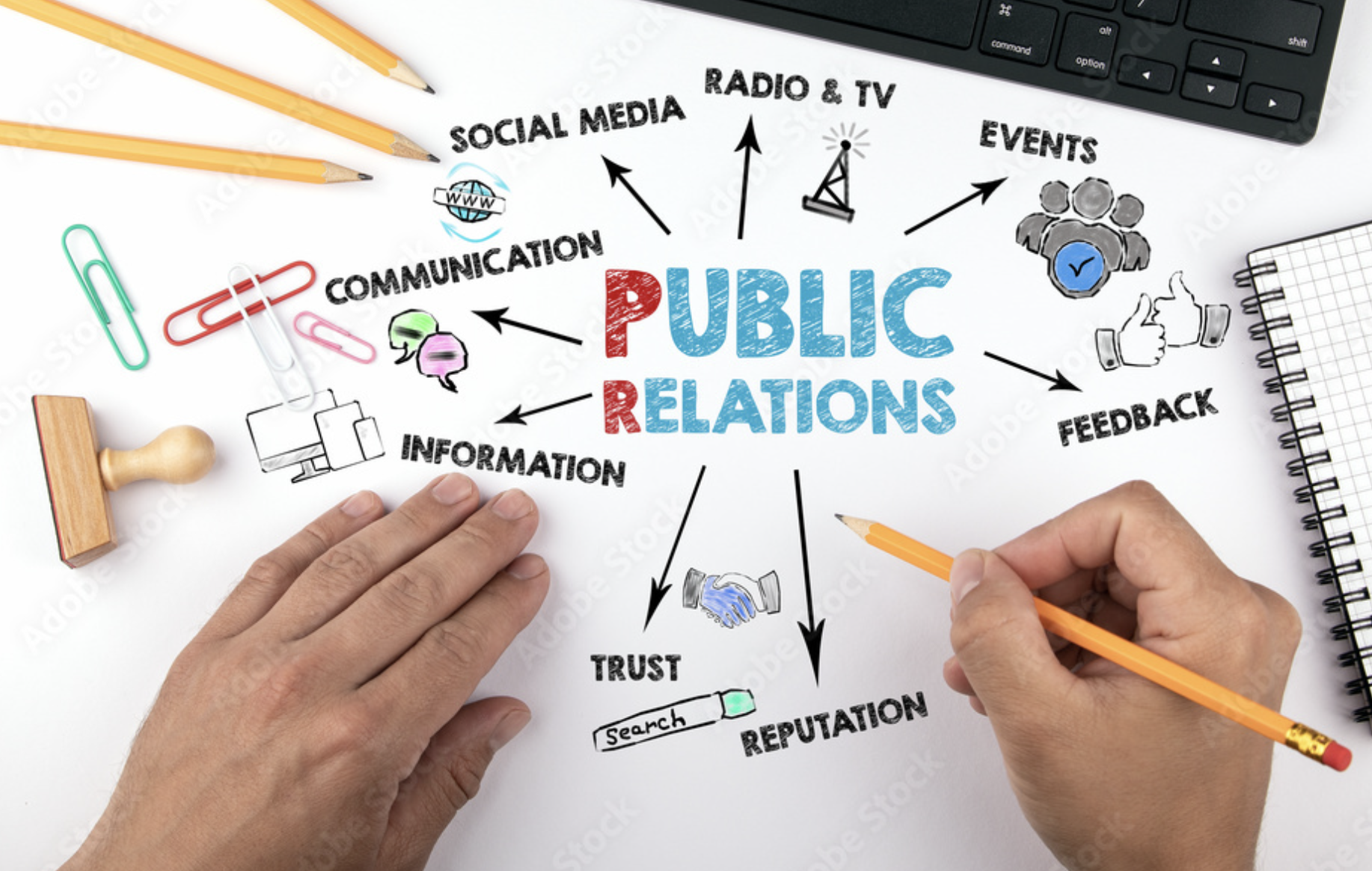
● Media relations
● Community relations
● Industry relations
● Events (both company-owned and external)
● SEO
● Online reputation management (ORM)
● Media monitoring
● Crisis communications
How well you protect, position, and promote your brand can directly affect:
● The public’s trust in you
● The traffic to your website/store/office
● Your employee recruitment and retention
● Your revenue and profit
PR is considered “earned media” because you don’t directly pay for it like you do advertising, sponsorships, or other marketing activities. If you have a strong brand, a solid value proposition to your market, and an interesting story to tell, your “news” will be distributed and shared in the market at relatively low or no cost. You will have earned the privilege of others amplifying your message to their audiences. Earned is almost always better than Paid.
Also, while advertising and marketing are generally a one-way broadcast of your message to the market, PR is a two-way communication. You can get feedback from your audiences through third-party media, social media, and online review sites.
In your PR plan, you should prepare your set of tools and activities that will amplify your messages. These tools include:

● Publicity management plans
● Social media management
● Press releases
● Media advisories
● Media kits
● Media/influencer contact directory
Research shows that 84% of marketers believe building trust will be the primary focus of future marketing campaigns. Building and maintaining your reputation, based on trust and credibility, requires a solid public relations program. Make the investment and enjoy the returns.

About David Murphy - David is the founder of Nvent Marketing, a full-service digital marketing agency in Phoenix specializing in local marketing. We help businesses generate demand through inbound and outbound marketing programs that include...
search engine optimization (SEO)
content marketing & social media management
PPC (pay-per-click) search and display advertising
direct marketing (mail, email, LinkedIn, phone)
website, graphic and creative services
multimedia customer communication and end-to-end campaign management
brand strategy and business consulting