

To help your small business compete with larger brands amidst this pandemic, we asked business leaders and PR experts this question for their best tips. From dialing into the customers to leveraging relationships to boost brand personality, there are several tips that may help your small business stay in competition with larger brands as the pandemic continues.
Here are twelve things small businesses should focus on to compete with larger brands:
Send A Thank You Note
Focus on the Customer
Stay “Tapped In” and Connect In New Ways
AI Assistant For Recruiting
Attract Top Talent
Leverage Relationships And Boost Brand Personality
Project Predictability
Lean Into Your Ability To Pivot Quickly
Being Local Can Be A Competitive Advantage
Preparation Versus Scripting
Know Your Value
Find Your Point of Differences

Send A Thank You Note
Small businesses have a competitive advantage over larger brands when it comes to customer relationships. Because of the size of a company, smaller businesses are nimble enough to build a deep and lasting relationship with their customers. But that’s only if they try! Small businesses should do everything they can to strengthen their customer relationships to maintain the strength they hold over larger brands, including things like sending a thank you note from their business.
David Wachs, Handwrytten

Focus On The Customer
Small businesses need to continue focusing on their communities and target customers. Most of the time, smaller businesses are much more in tune with what their customers are looking for and demanding. They are much less of a one-size-fits-all service or product, and that can go a long way! Keep listening to your customers and providing them with the best experience and that should set you up for success - even in a pandemic!
Vanessa Molica, The Lash Professional
Stay “Tapped In” and Connect In New Ways
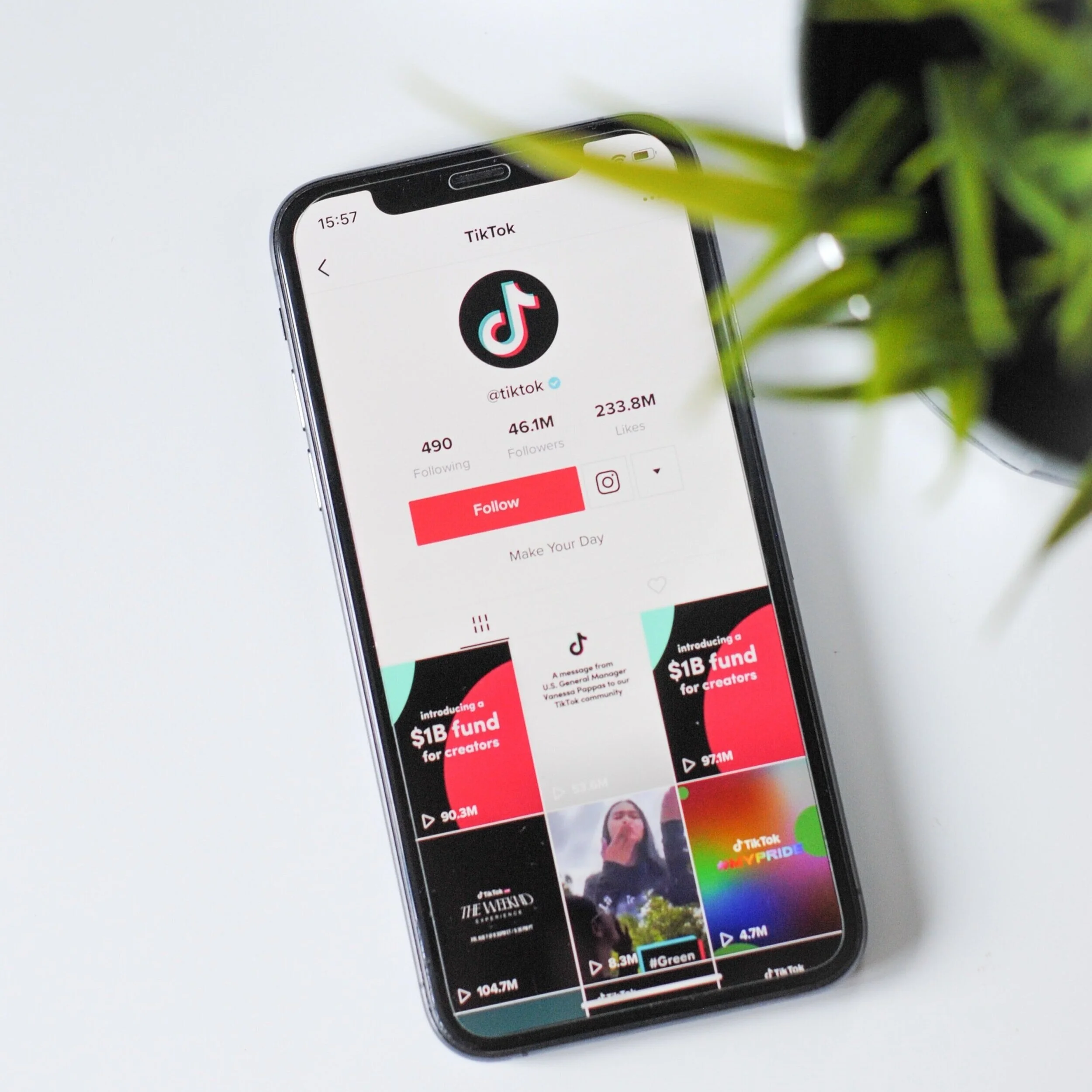
Small businesses should focus on staying “tapped in” by connecting with their audience through social channels such as; Twitch, Facebook, Instagram, and TikTok. These platforms can grow your brand, and if done right outshines larger brands. People love brands that they can connect with and believe in. Focus on being unique and engage with your audience in new and innovative ways. When you’re a smaller brand you can pivot faster and try new ideas larger bands don’t have the opportunity of doing.
Michael Jackson, Mya Kai Creative

AI Assistant For Recruiting
The faster you respond to a candidate, the more likely it is that they join your organization. To compete with the big brands that have really lengthy application processes, we’re seeing many small businesses use a conversational AI assistant to connect with candidates on their career sites or start a conversation with a text shortcode placed on signs near their business. Once the candidate engages with the conversational AI assistant, the assistant can screen them, schedule them for an interview if they are qualified, and answer any of their questions about benefits or culture. It can happen 24 hours a day so a candidate can chat with the conversational AI assistant on your career site during the evening, be scheduled for an interview the next day and your hiring team just needs to focus on meeting them and making sure they are the ideal candidate. We’re seeing companies hire candidates from conversation to onboarding in two days with this technology.
Josh Zywien, Paradox

Attract Top Talent
Businesses large and small should always be focused on attracting top talent. Of course, sourcing and nurturing candidates throughout the recruiting process takes time, which is a scarce resource for a small business. To reduce time spent in the recruiting process while still offering a positive candidate experience, businesses should focus on automating the recruiting process. Through a conversational AI assistant, businesses can automate tasks like screening, scheduling, and candidate Q&A to focus more time on top candidates.
Nikitha Lokareddy, Markitors

Leverage Relationships And Boost Brand Personality
Having small businesses leverage relationships with partners through cross-promotions is essential. For example, we partner with a PR expert as a way to enhance value to our clients. Secondly, finding a specialized niche is an important way for small businesses to become experts in their industry, increase focus and decrease burn-out. Lastly, infusing the brand's personality into all aspects of the business operations allows small businesses to build personable and creative experiences for clients.
Linda Norquist, 2640 Media

Project Predictability
Small businesses always have the advantage of being more quick and nimble than larger competitors. To help codify that competitive advantage, small businesses may consider adopting an Agile methodology to enjoy benefits like improved project predictability and increased flexibility. Through methodologies, small businesses can further strengthen their advantages over companies that are much larger and slower to move.
Debra Hildebrand, Hildebrand Solutions, LLC

Lean Into Your Ability To Pivot Quickly
The pandemic has hit companies of all sizes differently. But in a lot of ways, it's also leveled the playing field. For example, pivoting a large company is like turning a ship - slow and planned. But frankly, that's not what the times call for! So, as a small business, lean into your ability to be agile (it's your greatest superpower). Meaning, have a new business line that makes sense? Want to implement new software to better serve customers? These are things you can do 10x quicker than big brands... so embrace it!
Jami Hartmann, Trainual

Being Local Can Be A Competitive Advantage
The one advantage small businesses have over national corporations is their familiarity with and empathy for local people. Most large corporations are notoriously ignorant of local culture and bad at customer service. While people may have taken advantage of the great job Amazon did in delivering goods, they will remember and appreciate the local restaurant which delivered some free food to poor elderly and disabled people in their neighborhood, who were secluded in their homes during the pandemic. Making the effort to stay in touch with their current customers will pay off when people start making money again. People do not have loyalty to businesses that only know them as "The Occupant."
Denise Meridith, World’s Best Connectors LLC

Preparation Versus Scripting
Working with both corporate executives (having been one) as well as working with entrepreneurs (and being one), there is one clear differentiator that universally resonates with consumers: individualization. Here's what I mean: most large corporate brands have a well-honed 'way' of doing business - a strength in terms of delivering a consistent experience. Where small businesses can compete is in delivering off a 'script'. Example: If a client has an account with a large financial services company, that institution has an opinion about the future; but what the client really wants to hear is what their advisor thinks. That client likely has said something like: if I were your Mom, what advice would you offer? Small businesses can treat all their customers as if they are their parents. A genuine, custom experience every time. Using that natural strength to compete against large brands shows up in one specific action: responsiveness.
Ken Kilday, Leader's Cut: The Ken Kilday Coaching Experience

Know Your Value
The key is not to compete - at least not with pricing. Larger brands will usually have an advantage on pricing because they own a significant portion of their supply chain, and often have the means to manufacture overseas to source inexpensive labor and materials. As a small business, the focus should be on reinforcing the value you bring to your community and industry - especially if you create handmade, locally sourced, or sustainable products. Your authenticity will set you apart from larger companies and make your specific brand stand out with consumers.
Drew Shaw, Voyce Threads

Find Your Point of Differences
There will always be the competition that is perceived to be bigger and better. However, being small has its advantages. Two that come to mind are agility and distinction. Find out what your clients value and make that your strength. Many larger corporations and government agencies have supplier diversity goals. Therefore, gaining certifications as a woman, minority, or veteran-owned business, for example, will help you differentiate your brand from larger competitors, while also enabling clients to meet their goals. Stay current with their needs so when an opportunity presents itself, rather large or small, your company has a workable solution to support those needs. Remember, bigger does not always mean better but distinction and agility will always be your strength.
Angela Garmon, ARG Coaching & Consulting Group