
Our State is OUR Story
Our vision is an Arizona where success knows no boundaries.
A state where every individual discovers fertile ground to sprout, dream, and blossom.

Shifting economic priorities means changing the policies, market conditions and systems that determine who has access to opportunity, resources and economic power. For Local First Arizona, that means helping locally owned businesses build collective leverage, removing structural barriers and creating more ways for Arizona communities to benefit from the wealth generated here.
Northern Arizona
Shifting economic priorities means changing the policies, market conditions and systems that determine who has access to opportunity, resources and economic power. For Local First Arizona, that means helping locally owned businesses build collective leverage, removing structural barriers and creating more ways for Arizona communities to benefit from the wealth generated here.
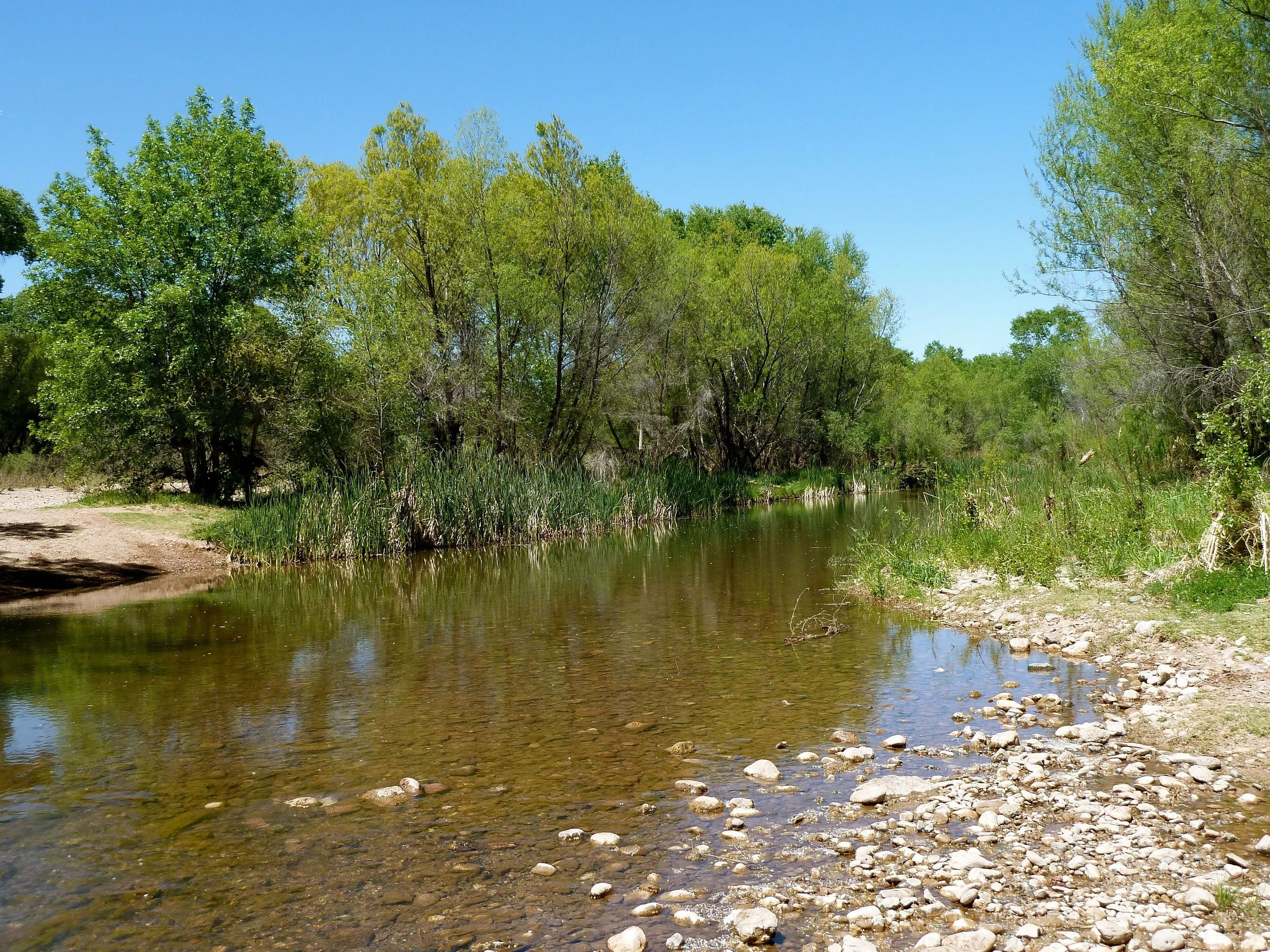
Since Local First Arizona brought Green Business Boot Camp to the Verde Valley in 2023, participants have developed projects to conserve water throughout their operations. Through a partnership with Friends of the Verde River, more than $150,000 in River Friendly Living grants have helped Boot Camp graduates put water-saving projects into action — with an estimated 17 million gallons in annual water savings.
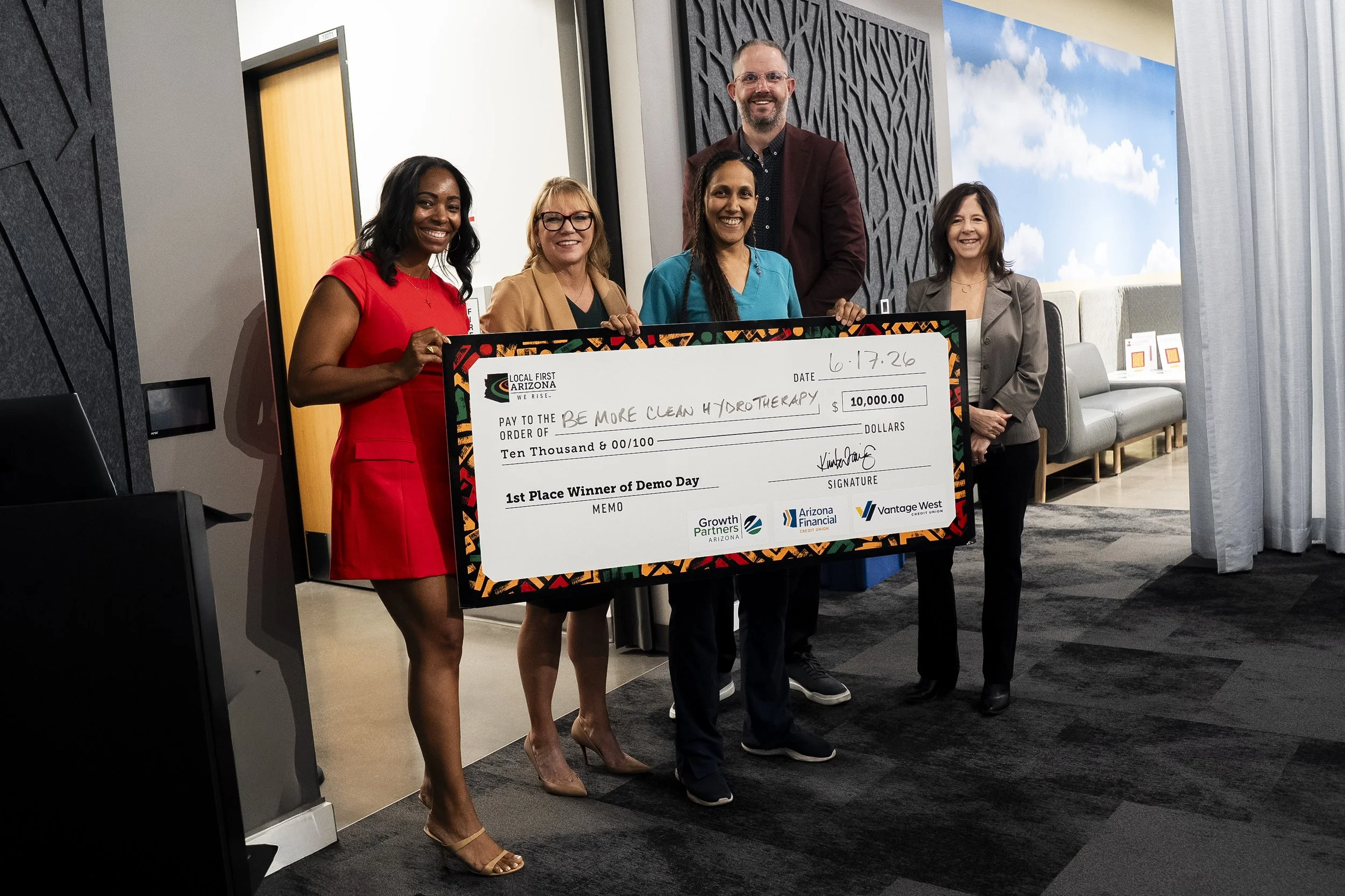
Credit unions are an important part of a strong local economy because they are built differently. As member-owned nonprofit financial institutions, they exist to serve their members rather than outside shareholders. Earnings can be returned to members through lower loan rates, fewer fees and higher savings yields, while decisions about lending and investment remain closely connected to the communities they serve.
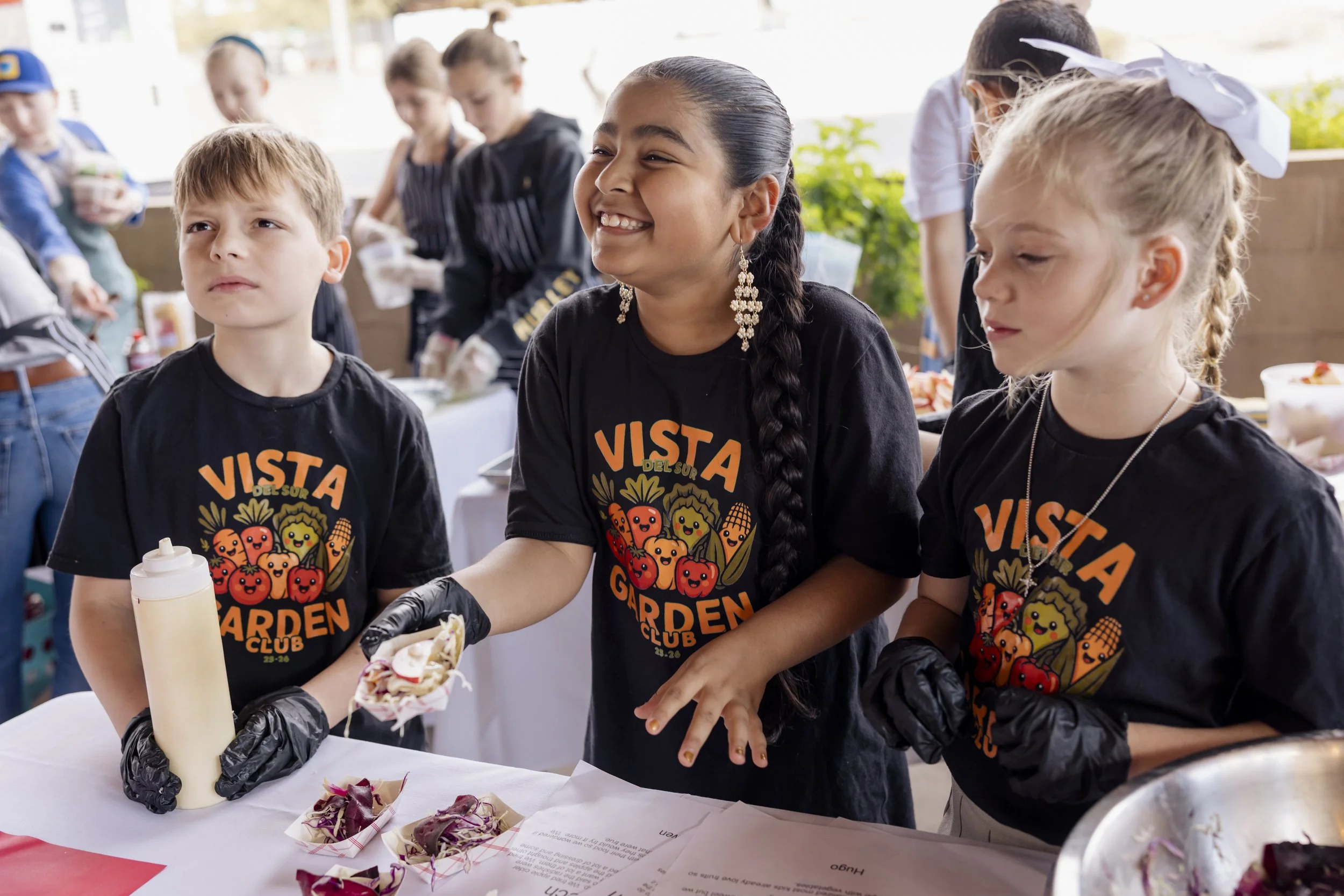
“You could bring all the local food into schools that you want, and it could still go into the trash can,” Arizona Farm to School organizer Paige Mollen stated. Her point was simple: if we want better school meals, we have to think about not just what's on the tray, but how the whole system around it works. Groups like Blue Watermelon Project and the Arizona Farm to School Network are already trying to change that system here in Arizona.

“If you save energy and water, you’re going to save money. If you save energy and water, it’s better for the environment. And if you save energy and water it’s better for the community,” he said. “It’s a triple threat, bottom-line benefit. You’re benefiting yourself, benefiting other people and the environment as a whole. You’re crazy not to do it.”

Indie Week (June 29 - July 7) is a reminder that every purchase helps shape Arizona's economy, communities and future.
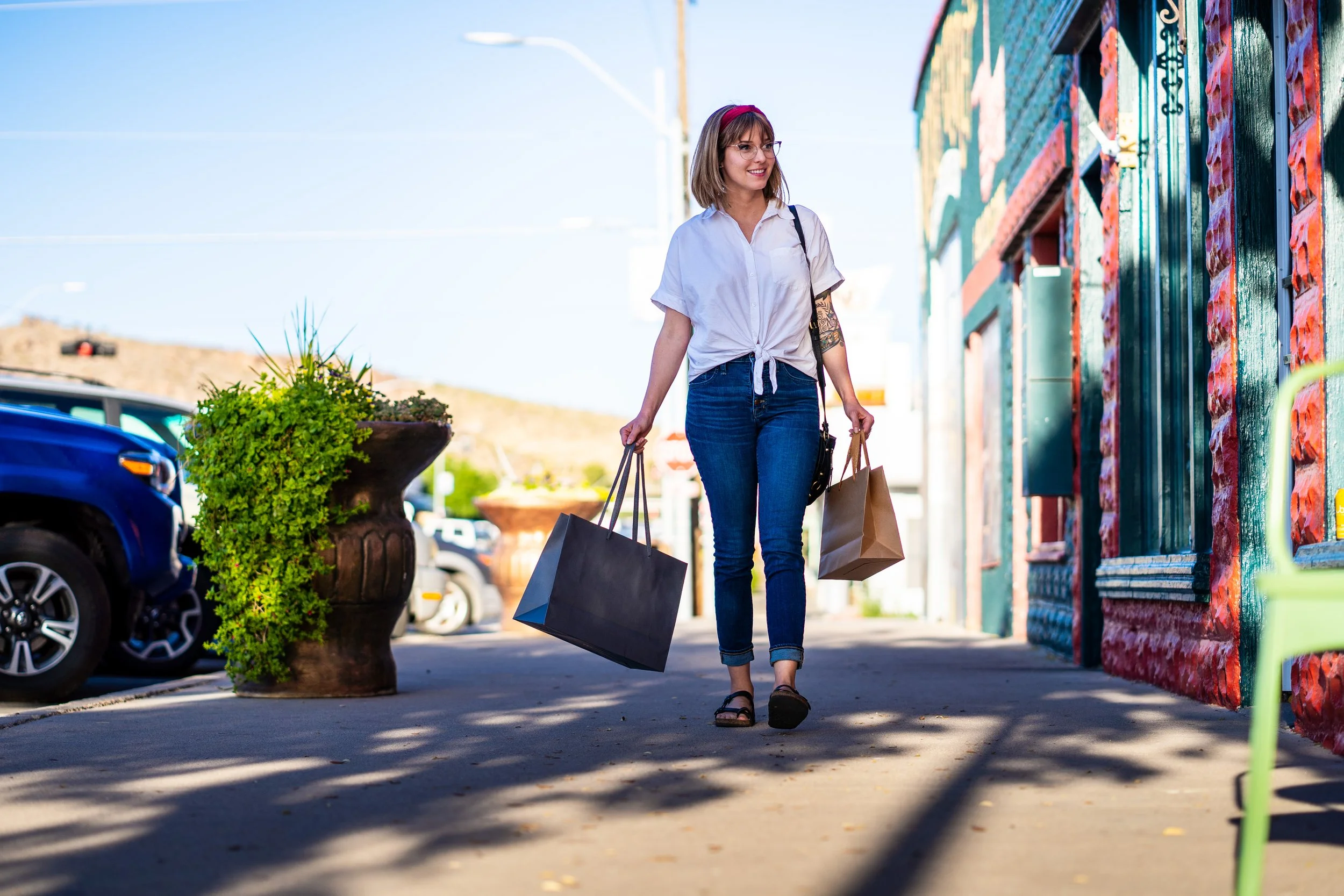
How we choose to spend our money helps shape the places we live. It influences which businesses grow, which jobs exist and which services remain available close to home. In that sense, Prime Day is about more than what we buy. It's also a reminder of how much power consumers actually have.
PHOENIX, Ariz. — June 11, 2026 — Local First Arizona and Arizona’s Credit Unions (ACU) – today announced their new, statewide partnership designed to boost financial education, strengthen small business success, and champion credit unions as key contributors of Arizona’s economic prosperity
Central Arizona
Shifting economic priorities means changing the policies, market conditions and systems that determine who has access to opportunity, resources and economic power. For Local First Arizona, that means helping locally owned businesses build collective leverage, removing structural barriers and creating more ways for Arizona communities to benefit from the wealth generated here.
Since Local First Arizona brought Green Business Boot Camp to the Verde Valley in 2023, participants have developed projects to conserve water throughout their operations. Through a partnership with Friends of the Verde River, more than $150,000 in River Friendly Living grants have helped Boot Camp graduates put water-saving projects into action — with an estimated 17 million gallons in annual water savings.
Credit unions are an important part of a strong local economy because they are built differently. As member-owned nonprofit financial institutions, they exist to serve their members rather than outside shareholders. Earnings can be returned to members through lower loan rates, fewer fees and higher savings yields, while decisions about lending and investment remain closely connected to the communities they serve.
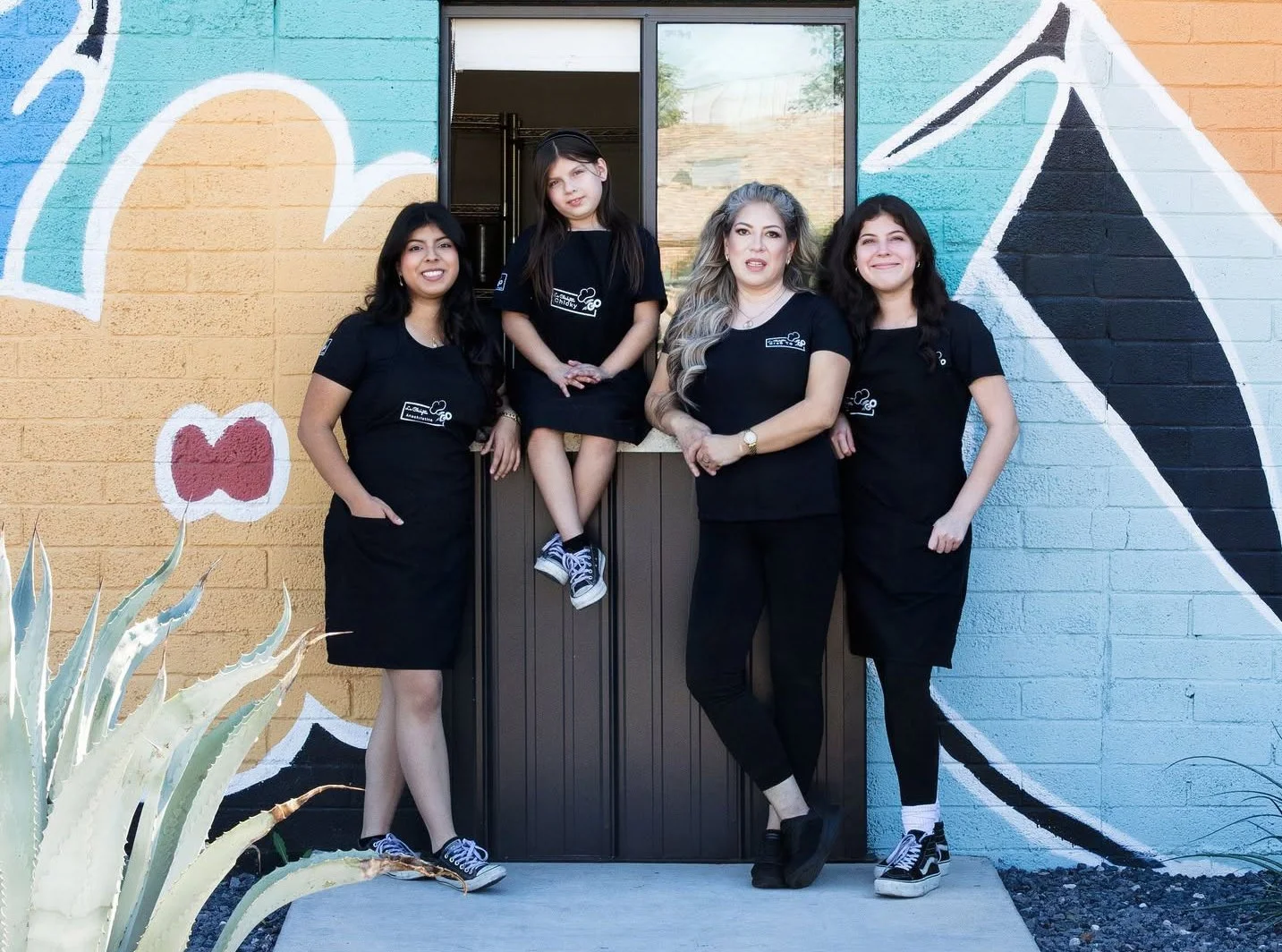
Durante más de 30 años, Yessica Olivares ayudó a construir algunas de las marcas de restaurantes más reconocidas de Estados Unidos. Pero mientras contribuía al crecimiento de empresas como McDonald’s, Chipotle y Wingstop, nunca dejó de imaginar lo que sería crear un negocio propio.
Esa visión ahora se llama La Chickytita Grab to Go, un café de inspiración mexicana donde cada bebida y cada platillo representan años de experiencia, trabajo duro y perseverancia.
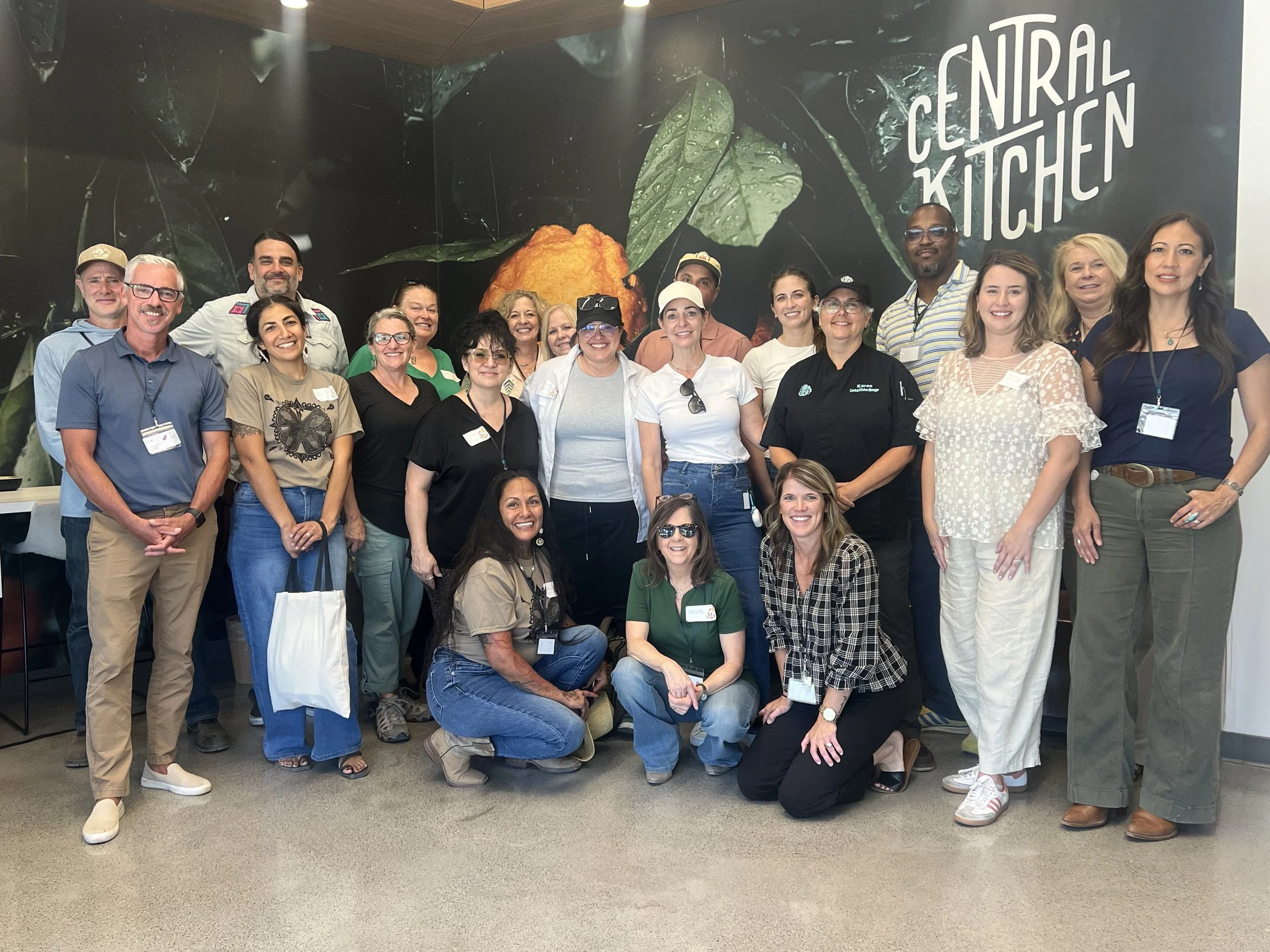
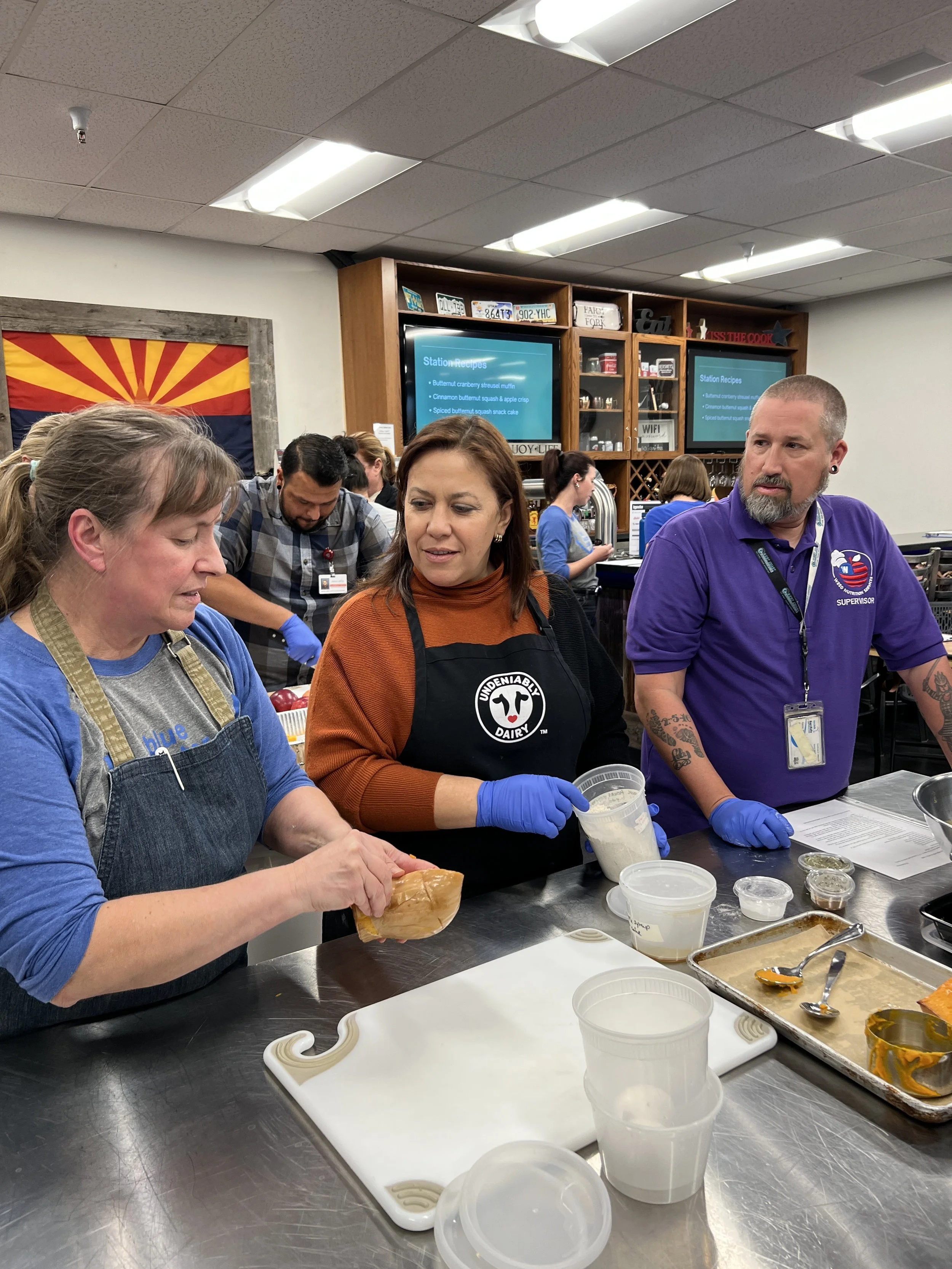
Arizona’s school cafeterias are often described in terms of what they lack — time, money and help — but across the state, there are people quietly rebuilding that idea from the ground up. In this blog, we highlight two of them: Blue Watermelon Project and the Arizona Farm to School Network, organizations that are showing how chefs, educators, farmers and students can work together to make school lunches more local, delicious and more connected to the community.
“You could bring all the local food into schools that you want, and it could still go into the trash can,” Arizona Farm to School organizer Paige Mollen stated. Her point was simple: if we want better school meals, we have to think about not just what's on the tray, but how the whole system around it works. Groups like Blue Watermelon Project and the Arizona Farm to School Network are already trying to change that system here in Arizona.
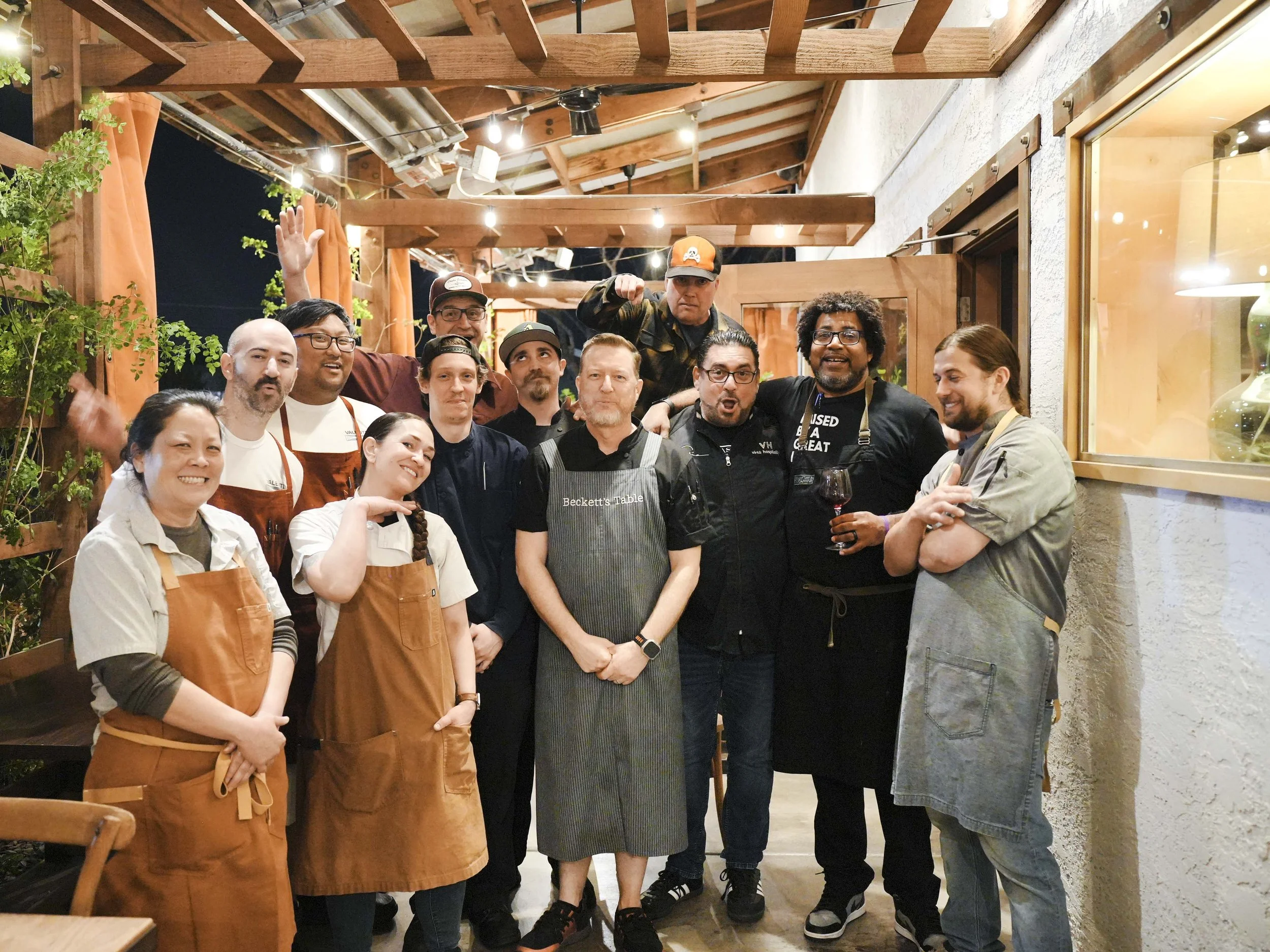
Looking for things to do in Arizona this summer? Discover how innovative local businesses in Phoenix, Tucson and communities across the state are transforming the hottest months of the year into one-of-a-kind experiences, from chef collaborations and after-hours museum events to indoor markets, food festivals and cool summer adventures.
Southern Arizona
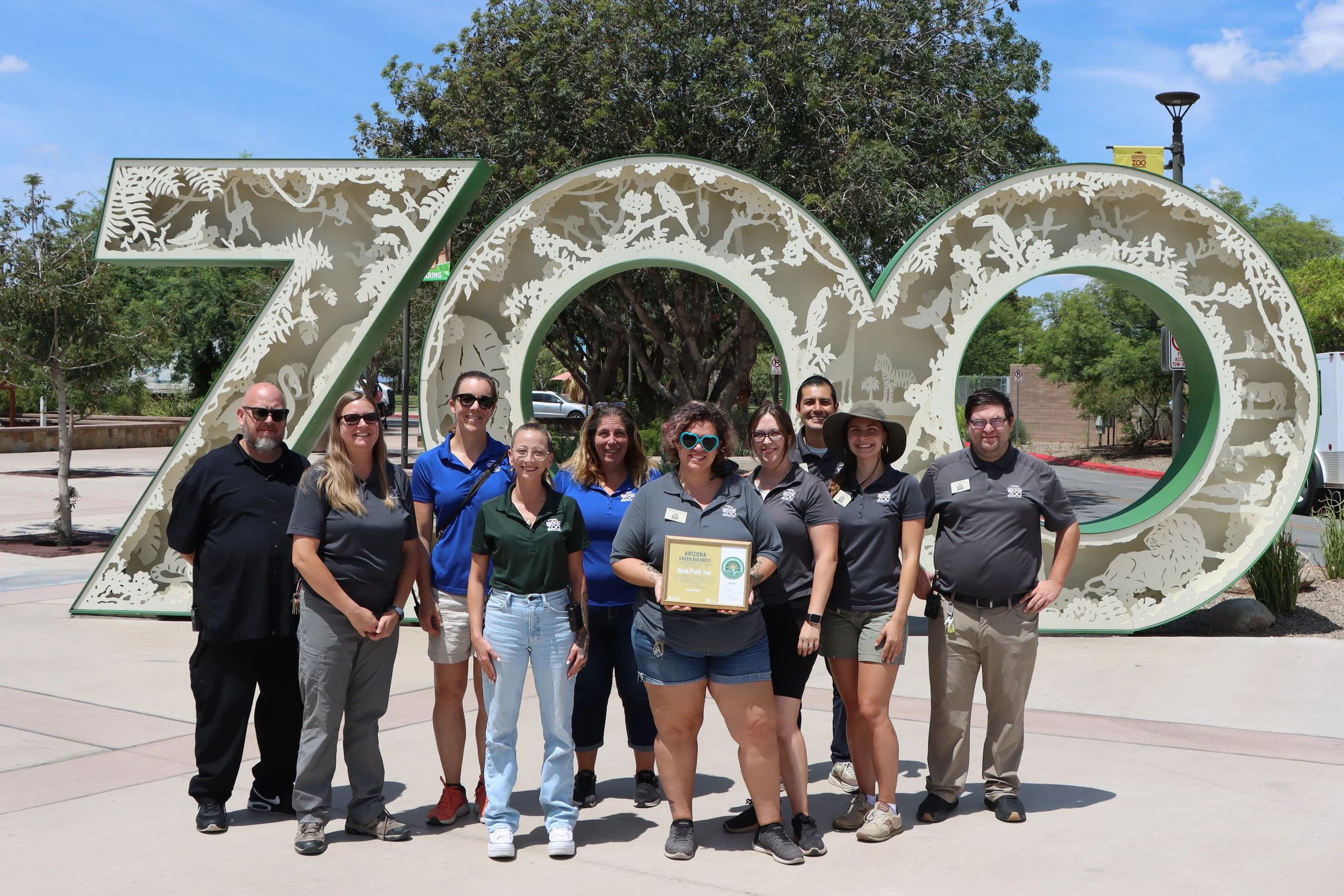
At Reid Park Zoo, protecting wildlife isn't something that happens only inside an animal habitat.
It influences how buildings are constructed. How landscapes are planted. What gets composted. How products are purchased. And even how much water flows through a sink, toilet or pool. That connection between mission and operations is one reason Reid Park Zoo has earned a renewed Green Business Certification from Local First Arizona.
Shifting economic priorities means changing the policies, market conditions and systems that determine who has access to opportunity, resources and economic power. For Local First Arizona, that means helping locally owned businesses build collective leverage, removing structural barriers and creating more ways for Arizona communities to benefit from the wealth generated here.
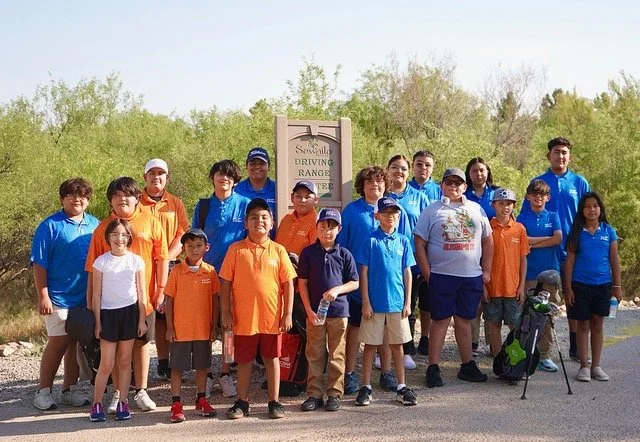
For Indigenous entrepreneurs like PGA Professional Cesar Balgañon II, access to capital can open doors to business growth, new industries and opportunities for the next generation. See how Local First Arizona’s Rooted Relative Fund is helping expand economic opportunity through relationship-based lending.
Credit unions are an important part of a strong local economy because they are built differently. As member-owned nonprofit financial institutions, they exist to serve their members rather than outside shareholders. Earnings can be returned to members through lower loan rates, fewer fees and higher savings yields, while decisions about lending and investment remain closely connected to the communities they serve.
“You could bring all the local food into schools that you want, and it could still go into the trash can,” Arizona Farm to School organizer Paige Mollen stated. Her point was simple: if we want better school meals, we have to think about not just what's on the tray, but how the whole system around it works. Groups like Blue Watermelon Project and the Arizona Farm to School Network are already trying to change that system here in Arizona.
Looking for things to do in Arizona this summer? Discover how innovative local businesses in Phoenix, Tucson and communities across the state are transforming the hottest months of the year into one-of-a-kind experiences, from chef collaborations and after-hours museum events to indoor markets, food festivals and cool summer adventures.
“If you save energy and water, you’re going to save money. If you save energy and water, it’s better for the environment. And if you save energy and water it’s better for the community,” he said. “It’s a triple threat, bottom-line benefit. You’re benefiting yourself, benefiting other people and the environment as a whole. You’re crazy not to do it.”
Indie Week (June 29 - July 7) is a reminder that every purchase helps shape Arizona's economy, communities and future.